
Eye on Merchants: Mastercard Taps AI for Small Businesses; Wizard Works With Stripe on Agentic Commerce
In the ever-evolving landscape of commerce, the integration of artificial intelligence (AI) tools is becoming increasingly prevalent. Recent announcements from Mastercard Inc. and Stripe Inc. highlight significant advancements aimed at supporting small and medium-sized businesses (SMBs) in their operational endeavors. This article explores Mastercard’s innovative Virtual C-Suite and Stripe’s collaboration with Wizard to enhance the Agentic Commerce Protocol.
Mastercard’s Virtual C-Suite
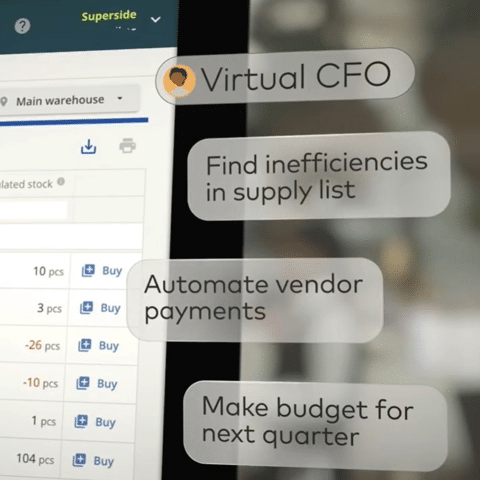
Mastercard has unveiled its Virtual C-Suite, a groundbreaking service designed to assist small businesses in leveraging AI technology to operate with the efficiency and insight typically reserved for larger organizations. This service is an extension of Mastercard’s existing Agent Suite and aims to provide SMBs with virtual representations of key executive roles, including Chief Financial Officer, Chief Information Officer, Chief Marketing Officer, and Chief Operating Officer.
According to Mastercard, the Virtual C-Suite brings AI utilities into various accounting systems, business software, and banking applications commonly used by small businesses. However, the company has not yet disclosed the specific applications that will be compatible with this service, indicating that capabilities are still in development.
Mark Barnett, Mastercard’s global head of small and medium enterprises, stated, “Our goal is to turn operational complexity into clarity—helping entrepreneurs regain time, make smarter decisions, and translate their ambition into measurable growth.” This initiative reflects Mastercard’s commitment to empowering small businesses by providing them with the tools they need to thrive in a competitive marketplace.
Stripe and Wizard’s Collaboration
On the other side of the spectrum, Stripe Inc. is partnering with Wizard, a company specializing in AI agents, to facilitate the adoption of the Agentic Commerce Protocol (ACP). This open-source standard, developed in collaboration with OpenAI, is designed to streamline interactions between buyers, their AI agents, and businesses during the purchasing process.
Wizard, which launched its AI Shopping Agent in February, is one of Stripe’s early partners working to broaden the adoption of the ACP. The collaboration aims to simplify merchant onboarding and assist retailers in converting AI-driven product discovery into actual sales. The ACP is gaining traction, with several major companies, including Google, Visa Inc., and Mastercard, endorsing the protocol.
The initiative represents a significant step toward enhancing the e-commerce experience by enabling more fluid and intelligent interactions between consumers and businesses. As AI continues to evolve, the potential for improved customer engagement and streamlined purchasing processes is vast.
The Future of AI in Commerce
The integration of AI into small business operations and e-commerce platforms marks a transformative shift in how businesses engage with technology. By providing tools that simplify complex processes and enhance decision-making, companies like Mastercard and Stripe are paving the way for a new era of commerce.
As small businesses increasingly adopt these technologies, they stand to benefit from improved operational efficiency, better customer insights, and enhanced growth potential. The Virtual C-Suite and the Agentic Commerce Protocol are just two examples of how AI is reshaping the business landscape, making it essential for entrepreneurs to stay informed and adaptable in this rapidly changing environment.
Frequently Asked Questions
Mastercard’s Virtual C-Suite is a service designed to help small businesses utilize AI to operate more efficiently. It provides virtual representations of key executive roles, allowing SMBs to access insights and tools typically available to larger organizations.
The Agentic Commerce Protocol (ACP) is an open-source standard that facilitates communication between buyers, their AI agents, and businesses during the purchasing process. It aims to streamline transactions and enhance the overall shopping experience.
Several major companies are involved in the development and adoption of the Agentic Commerce Protocol, including Stripe, OpenAI, Google, Visa Inc., and Mastercard. These collaborations aim to enhance e-commerce interactions and improve customer engagement.
Note: The integration of AI technologies in commerce is rapidly advancing, and businesses must remain proactive in adopting these innovations to stay competitive.