Meta Patents AI That Takes Over a Dead Person’s Account to Keep Posting and Chatting
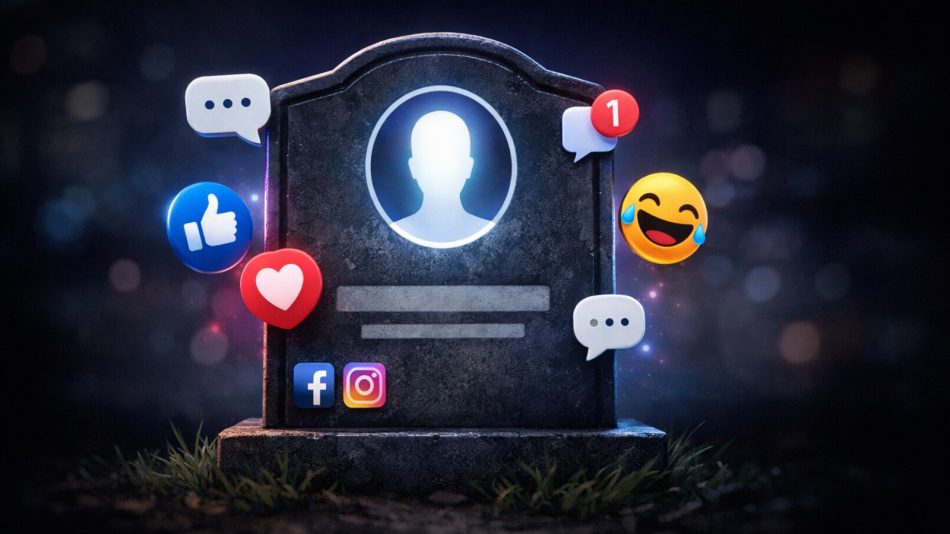
In a groundbreaking yet controversial development, Meta has been granted a patent for an artificial intelligence system that has the capability to simulate a user’s activity on social media even after their death. This innovative technology aims to allow accounts to continue posting, chatting, and interacting with other users, effectively keeping the digital presence of a deceased individual alive.
The Patent Details
The patent, which was filed in 2023 and granted in late December, describes a system that utilizes a large language model to replicate a person’s online behavior based on their past data. This includes a variety of interactions such as posts, comments, chats, voice messages, likes, and other forms of engagement. The AI would be able to respond to content, publish updates, and message other users in a manner that closely mimics the original account holder.
According to the patent documentation, the AI model could be employed to simulate user activity when the individual is absent from the social networking platform, which includes scenarios where the user is on an extended break or has passed away. The potential impact of this technology is noted to be “much more severe and permanent” in cases of death, as the individual cannot return to the platform to manage their account.
Applications of the Technology
This technology appears to be tailored specifically for Meta’s platforms, such as Facebook and Instagram. By analyzing “user-specific” data, the AI system could reconstruct a digital persona that continues to interact on the platform as if the person were still alive. The patent also hints at more advanced capabilities, including the potential to simulate audio or video calls using the reconstructed persona.
Ethical Considerations
While the implications of such technology are vast, they also raise significant ethical questions. The notion of creating AI replicas of deceased individuals is not new and has been a topic of discussion in various forums. In a 2023 interview with Lex Fridman, Meta CEO Mark Zuckerberg acknowledged the potential for AI systems to help people engage with memories of loved ones. He emphasized that any such systems should require the consent of the individual, stating, “It should ultimately be your call.”
However, the ethical ramifications of allowing a deceased person’s digital persona to continue interacting online are complex. It raises questions about consent, privacy, and the emotional impact on friends and family members who may encounter these AI-generated interactions.
Current Status and Future Outlook
Despite the excitement surrounding the patent, Meta has clarified that this does not mean the feature will be implemented in the near future. A spokesperson for the company stated that they have “no plans to move forward with this example,” noting that patents are often filed to protect ideas or concepts that may never materialize into actual products.
The concept of AI replicas of deceased users has already sparked considerable debate online. Startups have emerged that allow users to create interactive digital avatars of deceased relatives, drawing parallels to dystopian scenarios depicted in shows like “Black Mirror.” As technology continues to evolve, the discussion surrounding digital identity and the afterlife will likely become more prevalent.
Conclusion
Meta’s patent for an AI system capable of taking over a deceased person’s social media account presents both exciting possibilities and daunting ethical challenges. As society grapples with the implications of digital immortality, it is crucial to consider the emotional and moral dimensions of such technology. The future of AI-driven digital identity may hold the key to how we remember and interact with those we’ve lost.
Frequently Asked Questions
The purpose of Meta’s AI patent is to create a system that can simulate a user’s activity on social media after their death, allowing their account to continue posting and interacting with others as if they were still alive.
Yes, there are significant ethical concerns, including issues of consent, privacy, and the emotional impact on friends and family who may interact with the AI-generated persona of a deceased individual.
Currently, Meta has stated that they have no plans to implement this technology, as patents are often filed to protect ideas that may never become actual products.
Note: The implications of AI technology are vast and complex, and ongoing discussions are necessary to navigate the ethical landscape.