
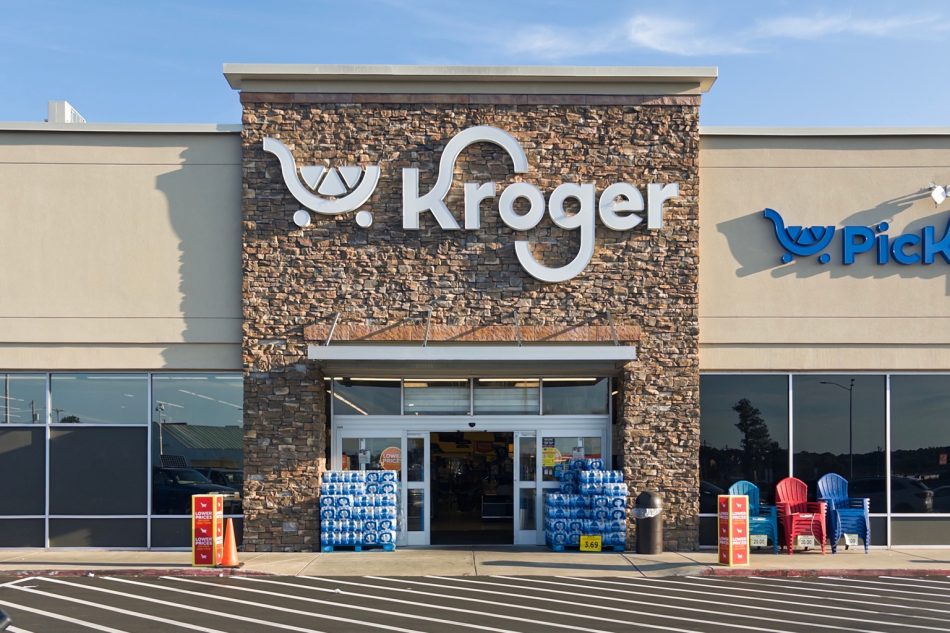
Kroger: Strong E-Commerce Growth, But Fairly Valued After Rally (Downgrade)
Kroger Co. has been a significant player in the retail grocery sector, particularly in the United States. Over the past few years, the company has made substantial investments in its e-commerce platform, which has contributed to its growth and adaptability in an increasingly digital marketplace. However, recent evaluations suggest that the stock may be fairly valued following a notable rally, leading to a downgrade in its investment outlook.
Overview of Kroger’s E-Commerce Growth
Kroger has embraced the digital transformation of retail, focusing on enhancing its online shopping experience. The company’s e-commerce sales have surged, driven by several factors:
- Increased Online Demand: The COVID-19 pandemic accelerated the shift towards online grocery shopping. Kroger capitalized on this trend by expanding its delivery capabilities and improving its website and mobile app.
- Partnerships and Acquisitions: Kroger has formed strategic partnerships with delivery services like Instacart and has acquired technology firms to bolster its e-commerce infrastructure.
- Customer Loyalty Programs: The company’s loyalty programs have incentivized online shopping, allowing customers to earn rewards and discounts, which has further boosted sales.
Financial Performance and Stock Evaluation
Despite the strong growth in e-commerce, Kroger’s overall financial performance has shown mixed signals. The company reported a significant increase in revenue from its online sales, but traditional grocery sales have faced challenges due to competition and changing consumer preferences.
As of the latest financial reports, Kroger’s stock has experienced a rally, prompting analysts to reassess its valuation. The stock price has surged due to positive earnings reports and optimistic forecasts regarding future growth. However, this rally has led to concerns about whether the stock is now overvalued.
Market Conditions and Competitive Landscape
The retail grocery sector is highly competitive, with major players like Walmart, Amazon, and Target also increasing their e-commerce capabilities. These competitors are not only vying for market share but are also innovating their services to attract consumers. This competitive pressure may impact Kroger’s ability to sustain its growth trajectory in the e-commerce space.
Moreover, economic conditions such as inflation and changing consumer spending habits could influence Kroger’s performance. As prices rise, consumers may seek more affordable options, affecting sales in higher-end grocery segments.
Investment Outlook
Given the current market conditions and the recent rally in Kroger’s stock price, analysts have downgraded their outlook on the stock. While the company has demonstrated strong e-commerce growth, the valuation appears to reflect these gains. Investors are advised to consider the following:
- Valuation Metrics: Analysts suggest that Kroger’s price-to-earnings (P/E) ratio is now in line with industry averages, indicating that the stock may not offer significant upside potential in the near term.
- Future Growth Potential: While e-commerce growth is promising, Kroger must continue to innovate and adapt to maintain its competitive edge.
- Risk Factors: Investors should be aware of potential risks, including economic fluctuations, supply chain disruptions, and heightened competition.
Conclusion
Kroger’s strong e-commerce growth is commendable, and the company has positioned itself well to meet the demands of modern consumers. However, with the stock rallying to levels that may be considered fairly valued, investors should approach with caution. The competitive landscape and economic uncertainties present challenges that could affect future performance. As always, thorough research and consideration of market conditions are essential for making informed investment decisions.
Frequently Asked Questions
Kroger’s e-commerce growth was driven by increased online demand during the pandemic, strategic partnerships with delivery services, and enhanced customer loyalty programs that incentivized online shopping.
The downgrade is primarily due to the stock’s recent rally, which has led analysts to believe it is now fairly valued, coupled with concerns about competition and economic conditions that may impact future growth.
Investors should consider risks such as economic fluctuations, supply chain disruptions, and the competitive landscape, which may affect Kroger’s performance and growth potential.
Note: This article is for informational purposes only and should not be considered financial advice. Always conduct your own research before making investment decisions.