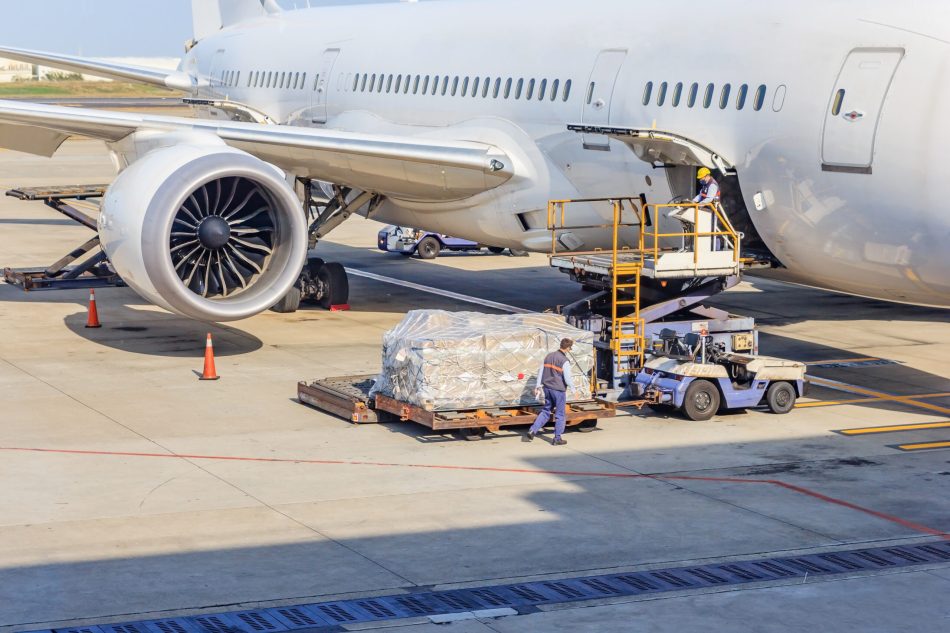

Door Truck Market Forecast Points Higher Toward 2035, Driven by E-Commerce Logistics Expansion
The door truck market is poised for significant growth in the coming years, primarily fueled by the rapid expansion of e-commerce logistics. As online shopping continues to gain traction, the demand for efficient and reliable transportation solutions is becoming increasingly critical. This article delves into the key factors driving the door truck market, the anticipated trends, and the overall outlook toward 2035.
Understanding the Door Truck Market
Door trucks, also known as delivery trucks or cargo vans, are essential vehicles in the logistics and transportation sector. They are designed to facilitate the movement of goods from distribution centers to end consumers. With the rise of e-commerce, the need for door trucks has surged, as businesses seek to meet consumer demand for quick and efficient delivery services.
Current Market Dynamics
The door truck market is influenced by several factors, including:
- Growth of E-Commerce: The e-commerce sector has experienced exponential growth, particularly in the wake of the COVID-19 pandemic. Consumers are increasingly opting for online shopping, which has led to a surge in demand for logistics services.
- Technological Advancements: Innovations in technology, such as route optimization software and telematics, are enhancing the efficiency of door trucks. These advancements help logistics companies reduce costs and improve delivery times.
- Environmental Concerns: There is a growing emphasis on sustainability within the logistics industry. Many companies are investing in electric and hybrid door trucks to reduce their carbon footprint and meet regulatory requirements.
Market Forecast and Trends
According to recent market analysis, the door truck market is expected to grow at a compound annual growth rate (CAGR) of approximately 5% from 2023 to 2035. This growth is attributed to several key trends:
- Increased Last-Mile Delivery: The last-mile delivery segment is becoming increasingly important as consumers demand faster delivery options. Door trucks are ideally suited for this purpose, making them a vital component of logistics operations.
- Expansion of Urban Logistics: As urban populations continue to grow, the need for efficient urban logistics solutions is becoming paramount. Door trucks are being adapted for urban environments, with features that allow for easier navigation and parking in crowded areas.
- Integration of Automation: The integration of automated systems in logistics is on the rise. Companies are exploring the use of autonomous door trucks, which could revolutionize the delivery process and reduce labor costs.
Regional Insights
The door truck market is not uniform across the globe. Different regions exhibit varying growth rates and trends based on local economic conditions, infrastructure, and consumer behavior.
North America
North America is one of the largest markets for door trucks, driven by a robust e-commerce sector and well-established logistics networks. The United States, in particular, has seen a significant increase in demand for door trucks as companies strive to enhance their delivery capabilities.
Europe
Europe is also witnessing substantial growth in the door truck market, with a strong focus on sustainability. Many European countries are implementing stricter emissions regulations, prompting logistics companies to invest in eco-friendly vehicles.
Asia-Pacific
The Asia-Pacific region is expected to experience the highest growth rate in the door truck market. Rapid urbanization, increasing disposable incomes, and a burgeoning middle class are driving the demand for efficient logistics solutions in countries like China and India.
Challenges Facing the Market
Despite the positive outlook, the door truck market faces several challenges:
- Supply Chain Disruptions: Global supply chain disruptions, exacerbated by the pandemic, have affected the availability of components necessary for manufacturing door trucks.
- Rising Fuel Costs: Fluctuating fuel prices can impact operational costs for logistics companies, making it essential for them to find cost-effective solutions.
- Regulatory Compliance: Navigating the complex landscape of regulations regarding emissions and safety standards can be challenging for manufacturers and operators alike.
Conclusion
The door truck market is on an upward trajectory, driven by the expansion of e-commerce logistics and the need for efficient delivery solutions. As technology continues to evolve and consumer demands shift, the market is expected to adapt and thrive. Companies that invest in innovative technologies and sustainable practices will likely emerge as leaders in this growing sector.
Frequently Asked Questions
The growth of the door truck market is primarily driven by the rapid expansion of e-commerce logistics, increased demand for last-mile delivery, and advancements in technology that enhance operational efficiency.
Key trends include the rise of last-mile delivery services, the expansion of urban logistics, and the integration of automation in logistics operations.
The door truck market faces challenges such as supply chain disruptions, rising fuel costs, and the need to comply with complex regulations regarding emissions and safety standards.
Note: The door truck market is continuously evolving, and staying informed about trends and challenges is crucial for businesses operating within this sector.