Rakuten Ichiba taps Google to roll out YouTube Shopping affiliate programme in Japan
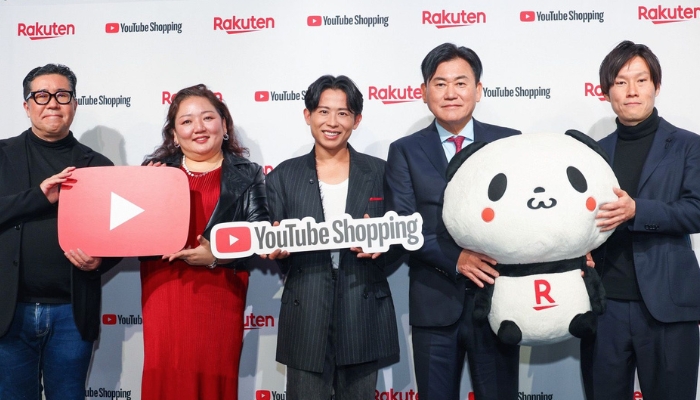
In a significant move for the e-commerce landscape in Japan, Rakuten Group, Inc. has announced its partnership with Google to launch the YouTube Shopping affiliate program on Rakuten Ichiba. This initiative marks a groundbreaking step as it is the first time this affiliate program has been introduced with a domestic company in Japan.
Overview of the Partnership
The collaboration between Rakuten and Google aims to enhance the shopping experience for users by integrating YouTube’s creator economy into the Rakuten Ecosystem. This integration allows viewers to purchase products featured in YouTube videos directly from Rakuten Ichiba, thereby streamlining the discovery and checkout process.
How It Works
With this new feature, users can tap the “View Products” button while watching a video. This action reveals product names and prices on-screen, allowing users to navigate to the Rakuten Ichiba product page without leaving the video content. This seamless shopping experience is designed to keep viewers engaged while they explore products.
Statements from Key Executives
Ryo Matsumura, the president of commerce and marketing at Rakuten Group, expressed enthusiasm about the partnership, stating, “We are delighted to partner with Google to integrate YouTube’s creator economy within the Rakuten Ecosystem, starting with Rakuten Ichiba.” He emphasized that this initiative is expected to provide merchants with new business growth opportunities and enhance the shopping experience for users.
Naomi Yamakawa, managing director of YouTube Japan at Google, also shared her excitement regarding this collaboration. She noted, “We are thrilled to partner with Rakuten Ichiba as our first domestic partner for the launch of the YouTube Shopping affiliate program in Japan.” This partnership reflects a broader trend of integrating e-commerce with video content, particularly in the Asian markets.
Expansion of E-commerce Initiatives
This initiative builds upon existing affiliate programs such as Rakuten Affiliate and ROOM, which support merchants in enhancing brand visibility and customer acquisition through creator-led content. It is part of Rakuten’s strategic push into v-commerce, an evolving e-commerce model that leverages video, voice, and virtual reality technologies.
Regional Context
Regionally, YouTube has been expanding its e-commerce initiatives in Southeast Asian countries, including Indonesia, Thailand, and Vietnam, as part of its ongoing ‘Community Hub’ efforts. This expansion reflects a growing recognition of the potential of video content in driving online sales and enhancing consumer engagement.
Challenges and Opportunities
As the e-commerce landscape evolves, companies face challenges, particularly with tighter regulations reshaping the social-led financial sector in the Asia-Pacific region. Managing agent activity and combating misinformation are becoming increasingly critical for brands. In this context, partnerships like the one between Rakuten and Google can provide a competitive edge by combining resources and expertise.
Conclusion
The launch of the YouTube Shopping affiliate program in Japan represents a significant milestone for both Rakuten and Google. By integrating shopping capabilities directly into video content, this partnership has the potential to transform the way consumers shop online, making the experience more interactive and engaging. As the e-commerce landscape continues to evolve, collaborations like this will be essential for driving innovation and meeting the changing needs of consumers.
Frequently Asked Questions
The YouTube Shopping affiliate program allows creators to feature products in their videos, enabling viewers to purchase those products directly from e-commerce platforms like Rakuten Ichiba.
Users can click the “View Products” button while watching a YouTube video, which displays product names and prices. They can then navigate to the Rakuten Ichiba product page without leaving the video.
Merchants are expected to gain increased brand visibility and customer acquisition opportunities through creator-led content, ultimately leading to business growth.
Note: The information presented in this article is based on the latest available data and developments as of February 2026.