
Is ‘brain rot’ real? How too much time online can affect your mind.
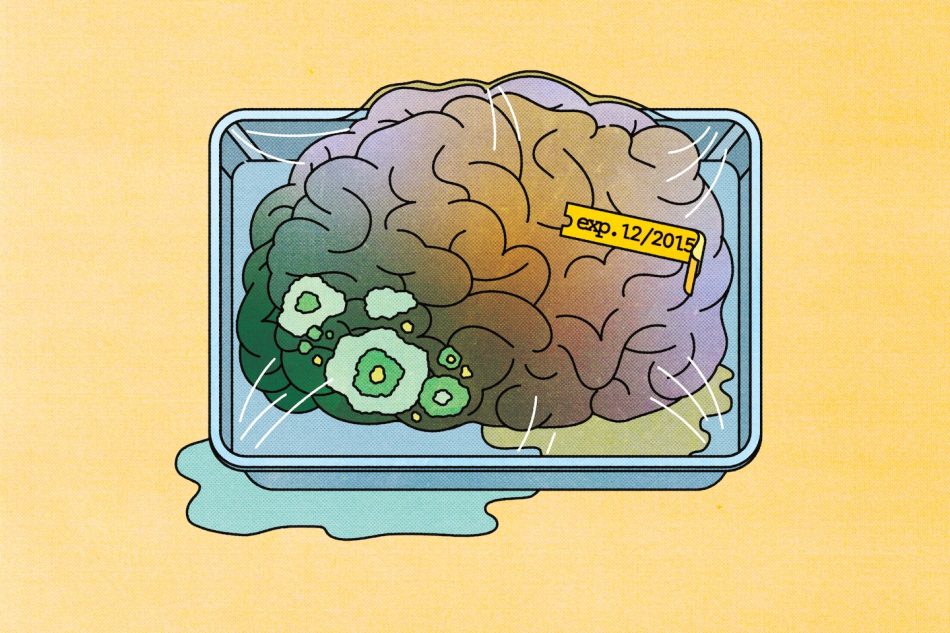
In today’s digital age, the term “brain rot” has emerged as a colloquial way to describe the cognitive decline that some individuals experience due to excessive time spent online. While it may sound like a humorous exaggeration, there is growing concern among psychologists and neuroscientists about the potential negative effects of prolonged internet use on mental health and cognitive function.
The Concept of ‘Brain Rot’
“Brain rot” refers to a perceived decline in mental acuity and cognitive function attributed to excessive screen time and online activity. This phenomenon is often described by individuals who feel mentally fatigued, distracted, or unable to focus after spending long hours browsing the internet, scrolling through social media, or consuming digital content.
Understanding the Effects of Excessive Screen Time
Research indicates that excessive screen time can lead to a variety of cognitive and psychological issues. Here are some ways in which too much time online can affect your mind:
1. Decreased Attention Span
One of the most significant effects of excessive internet use is a decrease in attention span. Studies have shown that the constant influx of information from social media and online content can make it difficult for individuals to concentrate on a single task for an extended period. This phenomenon is often referred to as “digital distraction.”
2. Impaired Memory
Over-reliance on digital devices for information retrieval can impair memory retention. When individuals habitually turn to the internet for answers instead of engaging in critical thinking or memorization, they may find it harder to recall information later. This is often referred to as “digital amnesia.”
3. Increased Anxiety and Depression
Excessive online engagement can also lead to heightened feelings of anxiety and depression. The constant comparison with others on social media, exposure to negative news, and the pressure to maintain an online presence can contribute to mental health issues. A study published in the journal Cyberpsychology, Behavior, and Social Networking found a correlation between increased social media use and higher levels of anxiety and depression.
Social Interaction and Online Communication
While the internet provides a platform for social interaction, it can also lead to a decline in face-to-face communication skills. Many individuals may find themselves relying on digital communication, which lacks the nuances of in-person conversations. This can lead to feelings of isolation and loneliness, as online interactions may not fulfill the same emotional needs as real-world relationships.
Impact on Sleep Patterns
Excessive screen time, especially before bedtime, can disrupt sleep patterns. The blue light emitted by screens can interfere with the production of melatonin, the hormone responsible for regulating sleep. Poor sleep quality can further exacerbate cognitive decline, leading to a vicious cycle of mental fatigue and increased screen time.
Strategies for Mitigating ‘Brain Rot’
To combat the effects of excessive internet use, individuals can adopt several strategies:
- Set Time Limits: Establish specific time limits for online activities to encourage more mindful usage.
- Engage in Offline Activities: Pursue hobbies and interests that do not involve screens, such as reading, exercising, or spending time outdoors.
- Practice Mindfulness: Incorporate mindfulness practices, such as meditation or deep breathing exercises, to improve focus and reduce stress.
- Prioritize Sleep: Create a sleep-friendly environment by limiting screen time before bed and establishing a regular sleep schedule.
Conclusion
While the term “brain rot” may be an informal way to describe the cognitive decline associated with excessive internet use, it highlights a real concern in our increasingly digital world. By understanding the potential effects of prolonged screen time and implementing strategies to mitigate these risks, individuals can protect their mental health and cognitive function. Balancing online activities with offline engagement is essential for maintaining a healthy mind.
Frequently Asked Questions
Signs of ‘brain rot’ include decreased attention span, impaired memory, increased anxiety, and feelings of isolation. Individuals may also experience mental fatigue after prolonged screen time.
Yes, reducing screen time can lead to improved mental health by decreasing anxiety, enhancing focus, and fostering better sleep patterns. Engaging in offline activities can also strengthen social connections.
While there is no one-size-fits-all answer, many experts recommend limiting recreational screen time to no more than two hours per day. It’s essential to consider the quality of online engagement as well.
Note: The information provided in this article is for educational purposes and should not be considered medical advice. If you are experiencing significant mental health issues, please consult a qualified professional.