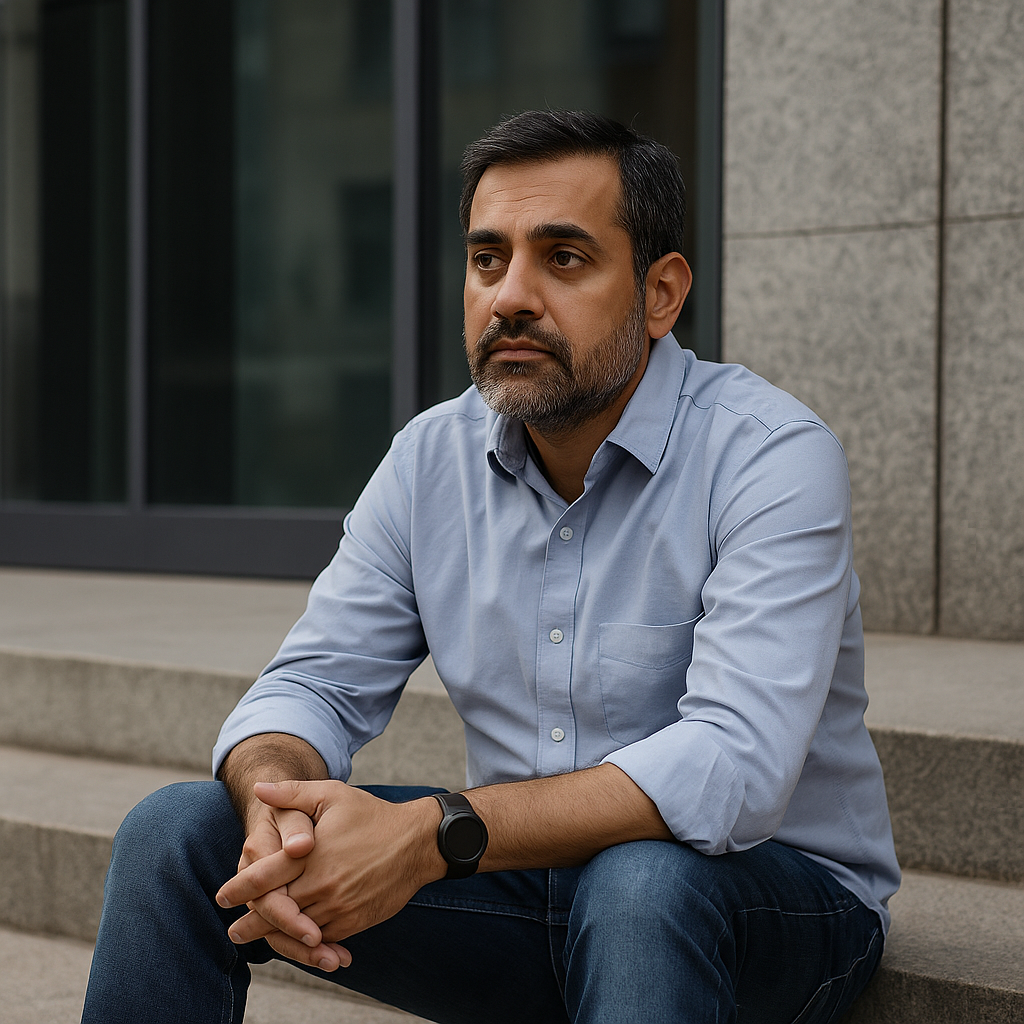

OpenAI Reaches Agreement With Pentagon to Deploy AI Models
In a significant development in the realm of artificial intelligence, OpenAI has announced a formal agreement with the United States Department of Defense (DoD) to deploy advanced AI models. This partnership aims to enhance various military operations through the integration of cutting-edge AI technologies.
The Significance of the Agreement
The collaboration between OpenAI and the Pentagon marks a pivotal moment in the evolution of AI applications in defense sectors. By leveraging OpenAI’s sophisticated machine learning models, the DoD intends to improve decision-making processes, streamline logistics, and enhance overall operational efficiency.
Objectives of the Partnership
The primary objectives of this partnership include:
- Enhancing Decision-Making: AI models can analyze vast amounts of data quickly, providing military leaders with actionable insights.
- Streamlining Logistics: AI can optimize supply chains, ensuring that troops have the necessary resources when and where they need them.
- Improving Training Programs: AI-driven simulations can create realistic training environments for military personnel.
Potential Applications of AI in Defense
The integration of AI in defense is not a new concept, but the agreement with OpenAI opens new avenues for innovation. Some potential applications include:
- Predictive Maintenance: AI can predict equipment failures before they occur, reducing downtime and maintenance costs.
- Cybersecurity: AI models can help identify and mitigate cyber threats in real-time, protecting sensitive military data.
- Autonomous Systems: AI can enhance the capabilities of drones and other autonomous vehicles, making them more effective in various missions.
Ethical Considerations
While the benefits of AI in defense are substantial, ethical considerations must also be addressed. The use of AI in military applications raises questions about accountability, transparency, and the potential for misuse. OpenAI has committed to ensuring that its technologies are used responsibly and ethically, aligning with international laws and humanitarian principles.
Future Prospects
The agreement with the Pentagon is expected to pave the way for further collaborations between AI developers and government entities. As AI technology continues to evolve, its applications in various sectors, including defense, healthcare, and education, will likely expand. OpenAI’s partnership with the DoD may serve as a model for future initiatives aimed at leveraging AI for public good.
Conclusion
The partnership between OpenAI and the Pentagon signifies a crucial step towards integrating advanced AI technologies into military operations. By focusing on enhancing decision-making, streamlining logistics, and improving training programs, this collaboration has the potential to transform the defense landscape. However, it is essential to approach these advancements with a strong ethical framework to ensure responsible use of AI in military contexts.
Frequently Asked Questions
The main goal of the partnership is to enhance military operations through the deployment of advanced AI models, improving decision-making, logistics, and training programs.
Potential applications include predictive maintenance, cybersecurity enhancements, and the development of autonomous systems such as drones.
OpenAI is committed to ensuring that its technologies are used responsibly and ethically, aligning with international laws and humanitarian principles.
Note: The information provided in this article is based on the latest available data and is subject to change as developments occur.