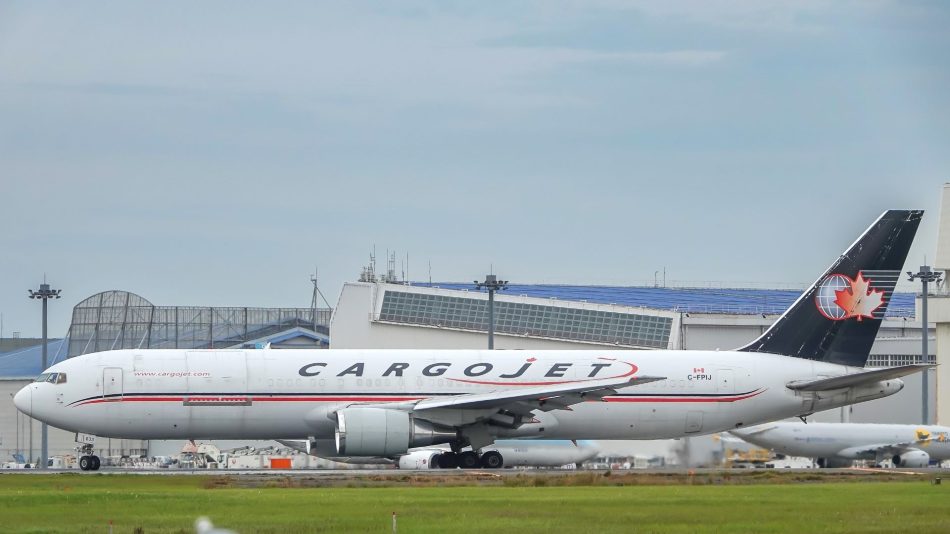
New UPS revenue helps Cargojet overcome loss of China e-commerce volume
In a recent development, Cargojet, a Canadian all-cargo airline, has successfully navigated the challenges posed by a significant decline in e-commerce trade from China to North America. This downturn was primarily driven by U.S. tariffs and a notable 32% decrease in fourth-quarter charter revenue. However, the airline has found a silver lining through new revenue streams generated from its partnership with UPS.
Background on Cargojet
Founded in 2001, Cargojet has established itself as a leading provider of air cargo services in Canada. The airline operates a fleet of dedicated freighters, primarily focusing on domestic express services and international charter flights. Cargojet’s strategic partnerships with major logistics companies have been instrumental in its growth, allowing it to adapt to fluctuating market conditions.
Impact of U.S. Tariffs on E-commerce
The imposition of tariffs on goods imported from China has significantly affected e-commerce volumes. Many businesses have curtailed imports to mitigate the financial impact of these tariffs, leading to a decrease in demand for air cargo services. This has been particularly challenging for Cargojet, which relied heavily on transpacific routes for a portion of its revenue.
New Revenue from UPS
In November, following a serious incident involving a UPS aircraft, Cargojet was engaged to provide crewed charters to support UPS’s package delivery network. This partnership arose after a UPS MD-11 aircraft was grounded due to mandatory inspections following a crash during takeoff in Louisville, Kentucky. With multiple MD-11s out of service, UPS turned to Cargojet to fill the gap.
Operational Changes
As part of this new arrangement, Cargojet has deployed several Boeing 757-200 narrowbody jets and Boeing 767-300 medium widebody freighters to operate between UPS’s global air hub in Louisville and various locations in Canada. This strategic shift has allowed Cargojet to maintain operational capacity and revenue despite the downturn in its traditional markets.
Future Outlook
According to Cargojet’s Chairman, Ajay Virmani, the revenue generated from UPS is expected to more than compensate for the losses incurred from reduced transpacific sales. The partnership is structured to last at least until the third or fourth quarter of the year, depending on when the grounded MD-11s are cleared to return to service. This flexibility is crucial as the airline navigates the ongoing challenges in the global logistics landscape.
Financial Performance
Despite the challenges, Cargojet reported a 17% increase in revenue from its domestic express network. However, this was not sufficient to offset the declines in contracted charter flying and per-flight aircraft rentals, which fell by 22.6% and 9.6% respectively. The total revenue for the company was reported at $208.1 million, reflecting a 2.9% decrease year-over-year.
Cost Control Measures
In response to the economic pressures, Cargojet has implemented vigorous cost-control initiatives. These efforts have resulted in a 3.6% increase in operating profit, amounting to $69.4 million. The adjusted operating margin also improved by 2.1% from the previous year, showcasing the airline’s resilience in a challenging market.
Domestic Market Resilience
While international operations faced headwinds, Cargojet’s domestic network remained robust, driven by strong consumer demand for online purchases. The airline has secured contracts with major co-load customers, including Amazon, FedEx, UPS, and Canada Post, which have helped sustain its operations amid the downturn.
Conclusion
In conclusion, Cargojet’s ability to adapt to changing market conditions, particularly through its partnership with UPS, has positioned the airline to overcome significant challenges. As the global logistics landscape continues to evolve, Cargojet’s focus on domestic express services and strategic partnerships will be key to its ongoing success.
Frequently Asked Questions
The decline in Cargojet’s revenue was primarily due to U.S. tariffs affecting e-commerce trade from China, leading to a significant decrease in demand for air cargo services, particularly in transpacific routes.
Cargojet has adapted by securing new revenue streams from UPS, providing crewed charter services to fill the gap left by grounded MD-11 aircraft, thus maintaining operational capacity and revenue.
The outlook for Cargojet appears positive, with expectations that revenue from UPS will compensate for losses in other areas. The partnership is expected to last through the busy fourth quarter, depending on regulatory approvals for the MD-11s.
Note: The information provided in this article is based on the latest available data and may be subject to change as new developments occur in the logistics industry.