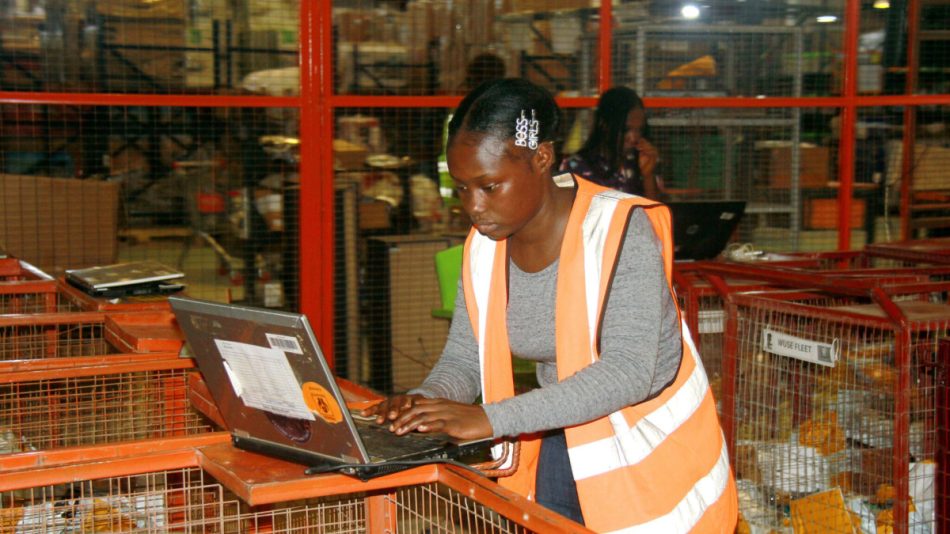
BEVH: Association sees strong e-commerce potential in East Africa
The online retail industry association, BEVH, has recently highlighted the significant growth potential for digital commerce in East Africa. Despite the promising outlook, the region faces several challenges that must be addressed to establish a truly integrated e-commerce market.
The Current State of E-Commerce in East Africa
East Africa has witnessed a remarkable increase in internet penetration and mobile phone usage, which has laid the groundwork for the expansion of e-commerce. Countries like Kenya, Uganda, and Tanzania are at the forefront of this digital transformation, with a growing number of consumers turning to online shopping for convenience and variety.
Factors Driving E-Commerce Growth
Several factors contribute to the burgeoning e-commerce landscape in East Africa:
- Increased Internet Access: The rise in affordable smartphones and improved internet infrastructure has made it easier for consumers to access online marketplaces.
- Growing Middle Class: A burgeoning middle class with disposable income is driving demand for a wider range of products and services.
- Government Support: Many East African governments are implementing policies to support digital commerce, including regulatory frameworks that facilitate online transactions.
- Innovation in Payment Solutions: The introduction of mobile money services has simplified payment processes, making online shopping more accessible.
Challenges Facing E-Commerce in East Africa
Despite the positive trends, several hurdles must be overcome to fully realize the potential of e-commerce in the region:
- Logistical Issues: Poor infrastructure and logistics networks can hinder the timely delivery of goods, affecting customer satisfaction.
- Regulatory Barriers: Inconsistent regulations across different countries can complicate cross-border e-commerce.
- Cybersecurity Concerns: As e-commerce grows, so do concerns about data security and online fraud, which can deter consumers from shopping online.
- Digital Literacy: A significant portion of the population still lacks the necessary digital skills to navigate online shopping platforms effectively.
Success Stories in East African E-Commerce
Despite the challenges, several companies have successfully navigated the e-commerce landscape in East Africa:
- Jumia: Often referred to as the “Amazon of Africa,” Jumia has established a strong presence in multiple East African countries, offering a wide range of products from electronics to fashion.
- Twiga Foods: This Kenyan startup has revolutionized the supply chain for fresh produce, connecting farmers directly with retailers through a digital platform.
- Safaricom: The telecommunications giant has played a pivotal role in promoting mobile money services, significantly boosting online transactions.
The Future of E-Commerce in East Africa
Looking ahead, the future of e-commerce in East Africa appears bright. As more consumers embrace online shopping, businesses are likely to innovate and adapt to meet their needs. The potential for growth is immense, especially if stakeholders collaborate to address existing challenges.
Conclusion
In conclusion, while East Africa presents significant opportunities for e-commerce growth, overcoming logistical, regulatory, and infrastructural challenges will be crucial. With continued investment and innovation, the region can harness its potential to create a thriving digital marketplace.
Frequently Asked Questions
BEVH stands for the Bundesverband E-Commerce und Versandhandel Deutschland e.V., which is an association representing the interests of the online retail industry in Germany and beyond.
The main challenges include poor infrastructure, regulatory barriers, cybersecurity concerns, and a lack of digital literacy among consumers.
Improvements can be made through better infrastructure, supportive government policies, enhanced cybersecurity measures, and initiatives to boost digital literacy among the population.
Note: This article is intended to provide an overview of the current state and future potential of e-commerce in East Africa, based on recent insights from the BEVH association.