
Tech firms and AI farming tools ‘playing with the food system’, warns thinktank
In a recent report by the International Panel of Experts on Sustainable Food Systems (IPES-Food), experts have raised serious concerns regarding the influence of technology companies on agricultural practices. Major firms such as Google, Microsoft, Amazon, IBM, and Alibaba are reportedly using artificial intelligence (AI) and algorithms to dictate what crops should be grown, which could undermine local farming practices and food security.
The Role of Technology in Agriculture
The integration of technology into farming has been heralded as a revolutionary step towards increased productivity and efficiency. However, critics argue that this “top-down” approach to agriculture is detrimental. Instead of empowering farmers to make informed decisions based on local conditions, these companies are pushing a narrow focus on a few high-yield crops. According to Pat Mooney, a Canadian author and agriculture expert, this could lead to a reliance on just five crops: corn, rice, wheat, soybeans, and potatoes.
Consequences of a Globalized Food System
Experts warn that the current globalized food system is already vulnerable to various shocks, including climate change and geopolitical conflicts, such as the ongoing war in Ukraine. Mooney emphasizes that food security should be as localized as possible, arguing against the trend of globalizing agriculture further. “Why would we make it even more globalized than before and more dependent upon multinational companies that are operating out of Silicon Valley?” he questioned.
Data-Driven Decisions
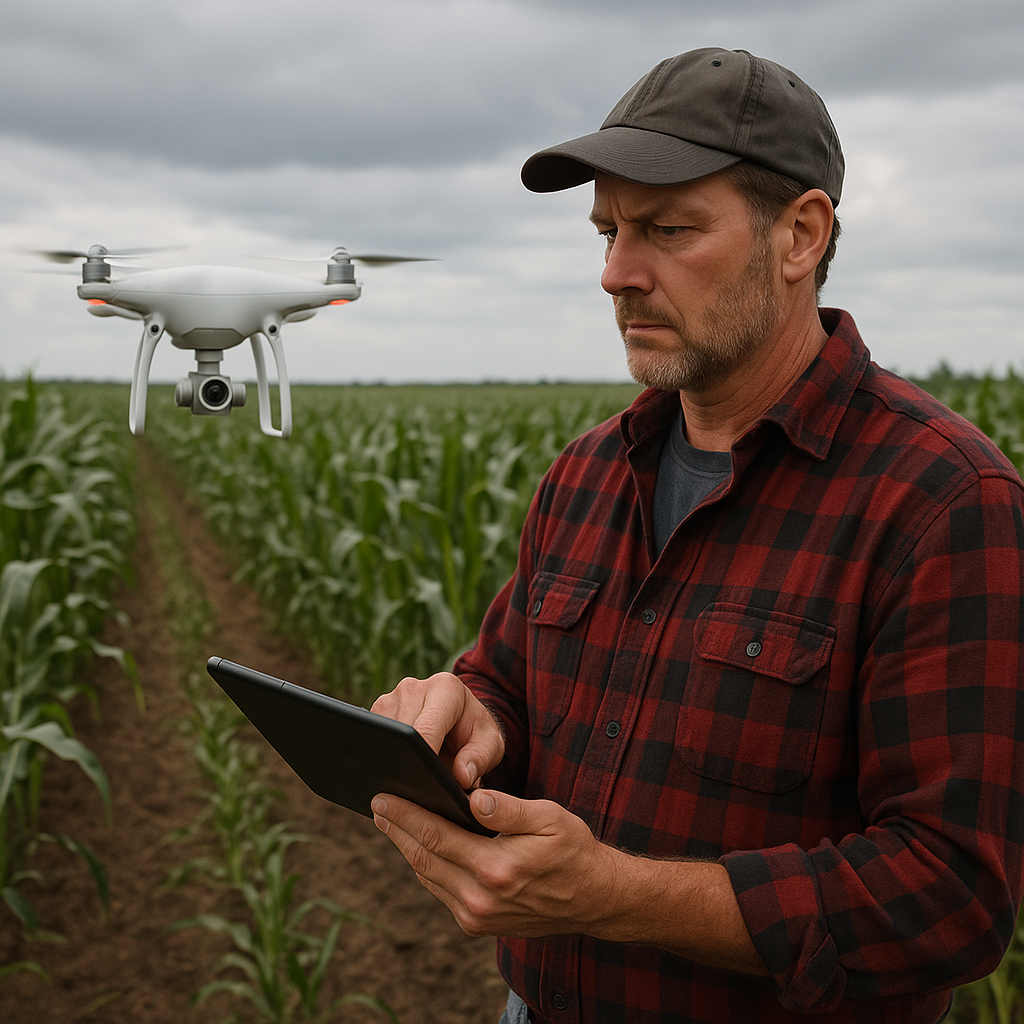
Tech companies are leveraging data collected from farmers, satellite imagery, and drone sensors to provide recommendations on crop choices. While this might seem beneficial, Mooney cautions that the suggestions are often limited to crops that the companies have a vested interest in promoting. This could lead farmers to purchase seeds and equipment that are not necessarily suited to their local conditions.
The Financial Landscape
The market for digital agriculture tools was valued at $30 billion in the previous year and is expected to reach $84 billion by 2034, according to Fortune Business Insights. The World Bank has also invested significantly in digital agriculture projects, providing $1.15 billion in loans, while the European Union has allocated €200 million for research in this field. This influx of funding could further entrench the influence of large tech firms in agriculture.
Alternative Approaches to Innovation
Lim Li Ching, co-chair of IPES-Food, argues that the focus should shift towards a bottom-up approach that prioritizes the knowledge and needs of local farmers. “Innovation that actually works for people has to be grounded in their realities,” she stated. This includes supporting agroecological practices that promote biodiversity and sustainability, rather than reinforcing industrial agriculture.
Success Stories from Around the World
There are already successful examples of localized agricultural practices that prioritize sustainability. In Peru, families are preserving hundreds of potato varieties, while farmers in China are conserving seeds. In Tanzania, social media is being used to facilitate communication among farmers regarding weather conditions and market prices. These practices highlight the potential for localized solutions that can enhance food security without relying on multinational corporations.
Policy Recommendations
Policymakers are urged to focus on funding research that aligns with the needs of local farmers and supports their innovations. Mooney stresses that food security is best achieved through localized efforts, which can help avoid the pitfalls of a broken global system. By investing in agroecology and supporting farmers as stewards of agricultural biodiversity, we can create a more resilient food system.
Conclusion
The intersection of technology and agriculture presents both opportunities and challenges. While there is potential for innovation, it is crucial to ensure that the voices of local farmers are not drowned out by the interests of large tech companies. A balanced approach that prioritizes local knowledge and sustainability will be essential for securing our food systems for the future.
Frequently Asked Questions
Experts warn that tech firms are promoting a limited number of crops, undermining local farming practices and potentially compromising food security.
A globalized food system can lock farmers into dependency on multinational companies for seeds and equipment, often at the expense of locally adapted crops.
Localized agricultural practices that focus on biodiversity, agroecology, and community knowledge provide viable alternatives to industrial agriculture.
Note: This article reflects the views and findings of the International Panel of Experts on Sustainable Food Systems and highlights the importance of local knowledge in agriculture.