Shopee investment bears fruit but fails to meet market hopes
In a significant development for the e-commerce sector, Shopee, the online shopping platform owned by Singapore-based technology company Sea, has reported its first operating profit. This milestone, achieved in 2025, marks a turning point for the company, which has heavily invested in logistics to enhance its operational efficiency and customer service.
Overview of Shopee’s Financial Performance
Shopee’s recent financial results indicate a remarkable turnaround, with the company posting a 3.6-fold increase in profits for the year. This achievement has been largely attributed to strategic investments made in logistics, which have improved delivery times and customer satisfaction. However, despite this positive news, the company’s shares have experienced a decline in New York trading, raising questions about market expectations and the sustainability of its profit margins.
Factors Contributing to Profitability
The journey to profitability for Shopee has not been without its challenges. The company faced stiff competition in the Southeast Asian e-commerce market, which is characterized by aggressive pricing strategies and rapid technological advancements. To combat these challenges, Shopee focused on several key areas:
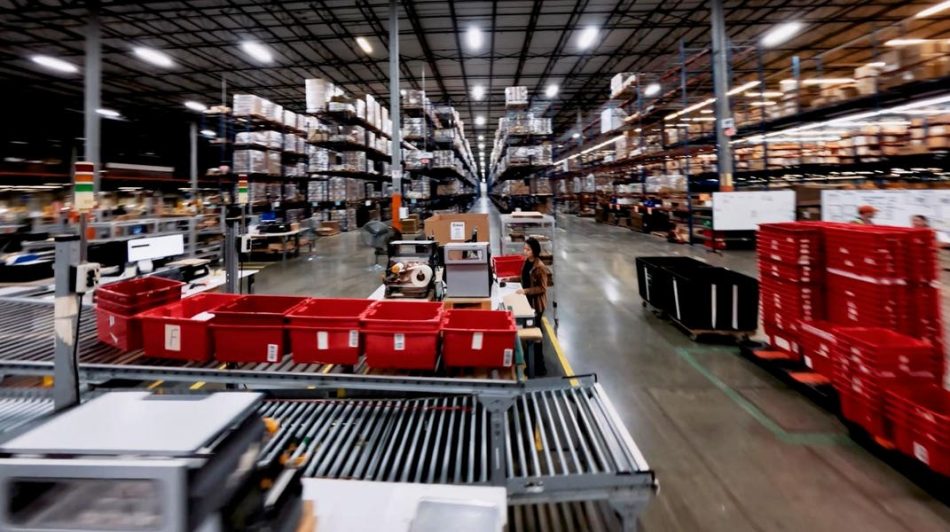
- Logistics Investment: Shopee’s investment in logistics has been a game changer. By enhancing its supply chain and delivery infrastructure, the company has been able to reduce shipping times and costs, making it a more attractive option for consumers.
- Market Expansion: Shopee has aggressively expanded its presence in various Southeast Asian countries, tapping into new customer bases and increasing its market share.
- Customer Engagement: The platform has implemented various marketing strategies, including promotions and loyalty programs, to enhance customer engagement and retention.
Market Reactions and Future Outlook
Despite the positive financial results, market reactions have been mixed. Investors had high hopes for Shopee’s profitability, leading to a sell-off of shares when the company failed to meet these expectations. Analysts suggest that while the profit is a positive sign, the decline in share prices may be attributed to concerns over future profit margins and the company’s ability to maintain its competitive edge.
Looking ahead, Shopee’s management is focused on sustaining its growth trajectory while navigating the complexities of the e-commerce landscape. The company plans to continue investing in technology and logistics to improve efficiency and customer experience. Additionally, there are discussions about exploring new markets beyond Southeast Asia, which could provide further opportunities for growth.
Challenges Ahead
As Shopee moves forward, it must address several challenges to ensure long-term success:
- Intense Competition: The e-commerce market is highly competitive, with numerous players vying for market share. Shopee will need to differentiate itself through innovation and superior service.
- Profit Margin Pressure: While achieving profitability is a significant milestone, maintaining healthy profit margins will be crucial, especially in a price-sensitive market.
- Regulatory Environment: As Shopee expands into new regions, it must navigate various regulatory frameworks, which can impact operations and profitability.
Conclusion
Shopee’s achievement of its first operating profit is a noteworthy milestone in its journey. However, the mixed market reactions highlight the challenges that lie ahead. As the company continues to invest in logistics and explore new markets, it will need to remain vigilant in addressing competition and maintaining profitability. The future of Shopee will depend on its ability to adapt to changing market dynamics and consumer preferences.
Frequently Asked Questions
Shopee’s first operating profit was largely due to heavy investments in logistics, which improved delivery efficiency and customer satisfaction, as well as strategic market expansion and customer engagement initiatives.
The decline in Shopee’s shares can be attributed to unmet market expectations regarding profit margins and concerns over the sustainability of its competitive position in the e-commerce market.
Shopee faces challenges including intense competition, pressure on profit margins, and navigating regulatory environments as it expands into new markets.
Note: The information provided in this article is based on the latest available data and may be subject to change as new developments occur in the market.