
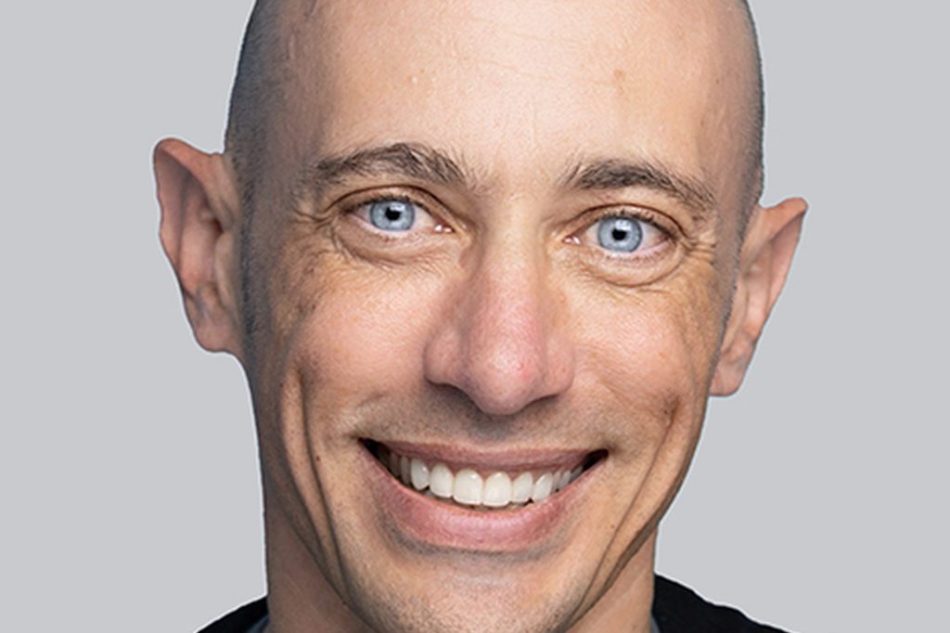
Tobias Lütke to dispose up to 1,987,032 Class A share of Shopify
On March 9, 2026, Shopify Inc. (NASDAQ/TSX: SHOP) announced that its CEO, Tobias Lütke, has entered into an automatic securities disposition plan. This plan allows Lütke to sell a significant number of Class A subordinate voting shares. The decision is part of a strategic move that has garnered attention from investors and market analysts alike.
Details of the Disposition Plan
Tobias Lütke plans to sell up to 1,987,032 Class A subordinate voting shares through an automatic securities disposition plan. This plan is structured to facilitate the sale of shares held directly by Lütke, as well as shares held indirectly through two holding entities: 7910240 Canada Inc. and Thistledown Foundation.
The sales under this disposition plan are set to commence on or after March 18, 2026, and are expected to conclude no later than December 31, 2026. The shares will be sold on the NASDAQ Global Select Market, which is known for its high liquidity and visibility, making it an ideal platform for such transactions.
Tobias Lütke’s Current Holdings
As of the announcement date, Tobias Lütke holds a substantial amount of Shopify shares, comprising:
- 77,750,132 Class B restricted voting shares
- 1,823,817 Class A subordinate voting shares
- 1 Founder share
This large holding underscores Lütke’s significant stake in the company, reflecting his commitment to Shopify’s long-term success.
Market Reaction and Implications
Shopify’s stock closed at US $130.20 on NASDAQ on the day of the announcement. The market reaction to Lütke’s planned share sales will be closely monitored by investors and analysts. Automatic securities disposition plans are often viewed as a way for executives to manage their stock holdings while minimizing the impact on the market.
Investors may interpret Lütke’s decision to sell a portion of his shares in different ways. Some may view it as a sign of confidence in Shopify’s future, suggesting that Lütke is diversifying his investments. Others might see it as a potential signal of upcoming changes within the company or its market strategy.
Understanding Automatic Securities Disposition Plans
Automatic securities disposition plans are designed to allow company executives to sell shares in a systematic manner. This approach helps to avoid potential conflicts of interest and insider trading concerns. Under such plans, the executive typically establishes a predetermined schedule for sales, which is executed by a third party.
These plans are particularly beneficial for high-profile executives who may face scrutiny over their trading activities. By using an automatic plan, executives can ensure that their stock sales are conducted transparently and in compliance with regulatory requirements.
Conclusion
Tobias Lütke’s decision to dispose of up to 1,987,032 Class A shares of Shopify through an automatic securities disposition plan marks a significant event for both the company and its investors. As the sales are set to commence in March 2026, the market will be watching closely to gauge the implications of this move on Shopify’s stock performance and overall market sentiment.
Frequently Asked Questions
An automatic securities disposition plan is a strategy that allows company executives to sell shares systematically and transparently, minimizing the risk of insider trading and conflicts of interest. The sales are typically executed by a third party based on a predetermined schedule.
Tobias Lütke is selling his shares as part of an automatic securities disposition plan, which allows him to manage his stock holdings while adhering to regulatory requirements. This move may also be seen as a way to diversify his investments.
The impact of Lütke’s share sales on Shopify’s stock price will depend on market perceptions and investor sentiment. While some may view the sales as a positive sign of diversification, others may interpret it as a negative signal regarding the company’s future prospects.
Note: The information provided in this article is for informational purposes only and should not be considered as financial advice.