
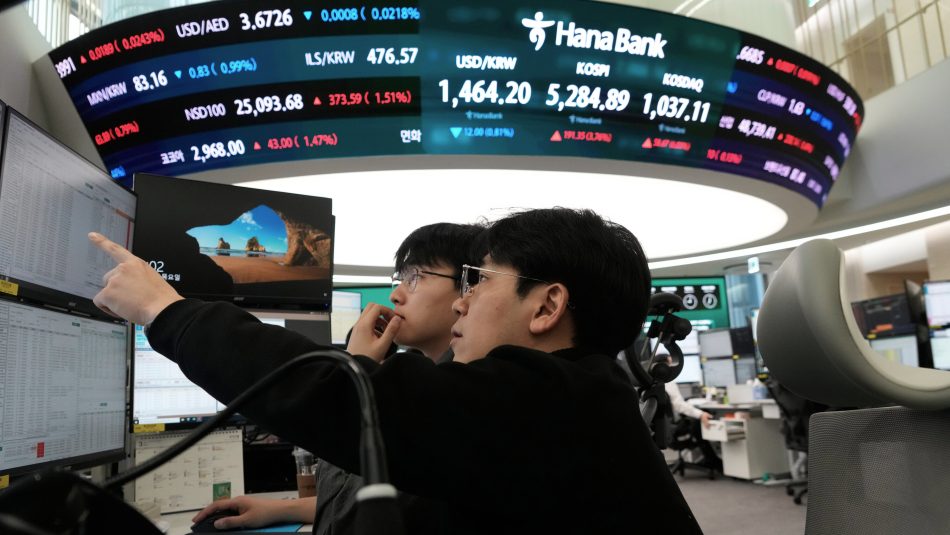
What the Extraordinary Market Volatility in Asia Says About Energy and A.I.
The recent market volatility in Asia has raised eyebrows among investors and analysts alike. This turbulence can be attributed to a combination of factors, particularly the rising energy prices and the growing influence of artificial intelligence (A.I.) in various sectors. Understanding these dynamics is crucial for grasping the future trajectory of the Asian markets and the global economy.
The Current State of Asian Markets
Asian markets have experienced significant fluctuations in recent months. Countries such as China, Japan, and India have seen their stock indices swing dramatically. The volatility has been fueled by a mix of economic indicators, geopolitical tensions, and the ongoing recovery from the pandemic.
Investors are closely monitoring the situation, as the implications of these market movements extend beyond Asia. The interconnectedness of global economies means that shifts in Asia can reverberate throughout the world.
The Role of Energy Prices
One of the primary drivers of market volatility in Asia has been the surge in energy prices. As economies reopen and demand for energy increases, prices have soared. This has been particularly evident in the oil and natural gas markets, where prices have reached multi-year highs.
Countries that are heavily reliant on energy imports, such as Japan and South Korea, are feeling the pinch. Higher energy costs can lead to inflationary pressures, affecting consumer spending and overall economic growth. Conversely, energy-exporting nations like Saudi Arabia and Russia may benefit from these price increases, further complicating the geopolitical landscape.
The Impact of Artificial Intelligence
Alongside energy prices, the integration of A.I. into various industries is reshaping the market landscape. Companies across sectors are increasingly investing in A.I. technologies to enhance efficiency, reduce costs, and drive innovation.
This technological shift has led to a surge in stock prices for A.I.-focused companies, contributing to market volatility. Investors are eager to capitalize on the potential of A.I., but this enthusiasm can lead to overvaluation and subsequent corrections, adding another layer of complexity to the markets.
Geopolitical Tensions and Economic Policies
Geopolitical tensions in the region, particularly between China and the United States, have also played a significant role in market fluctuations. Trade disputes, military posturing, and diplomatic challenges can create uncertainty, leading to increased volatility.
Moreover, economic policies implemented by various governments in response to these challenges can further influence market dynamics. For instance, stimulus measures aimed at supporting economic recovery can lead to optimism, while austerity measures may dampen investor sentiment.
Investor Sentiment and Market Psychology
The psychology of investors is another crucial factor in understanding market volatility. Fear and greed often drive market movements, leading to rapid buying or selling based on news and events. In times of uncertainty, investors may react impulsively, exacerbating market swings.
As news about energy prices and A.I. developments emerges, investors must navigate a complex landscape of information. The ability to remain level-headed and make informed decisions is essential for weathering the storms of market volatility.
Looking Ahead: Opportunities and Challenges
Despite the challenges posed by market volatility, there are also opportunities for savvy investors. The ongoing advancements in A.I. present potential for growth in various sectors, including healthcare, finance, and manufacturing.
Additionally, as countries transition to more sustainable energy sources, there may be opportunities in renewable energy investments. The shift towards greener technologies is not only a response to climate change but also a potential driver of economic growth.
Conclusion
The extraordinary market volatility in Asia serves as a reminder of the interconnectedness of global economies. As energy prices fluctuate and A.I. technologies continue to evolve, investors must stay informed and adaptable. Understanding the underlying factors driving these changes is crucial for navigating the complexities of the market.
Frequently Asked Questions
The main factors contributing to market volatility in Asia include rising energy prices, the impact of artificial intelligence on various sectors, geopolitical tensions, and economic policies implemented by governments in response to these challenges.
Fluctuations in energy prices can lead to inflationary pressures, impacting consumer spending and overall economic growth. Countries that rely heavily on energy imports may face increased costs, while energy-exporting nations may benefit from higher prices.
Amid market volatility, opportunities exist in sectors such as artificial intelligence and renewable energy. As companies invest in A.I. technologies and countries transition to sustainable energy sources, there may be potential for growth and innovation.
Note: The information provided in this article is for educational purposes only and should not be considered financial advice.


