
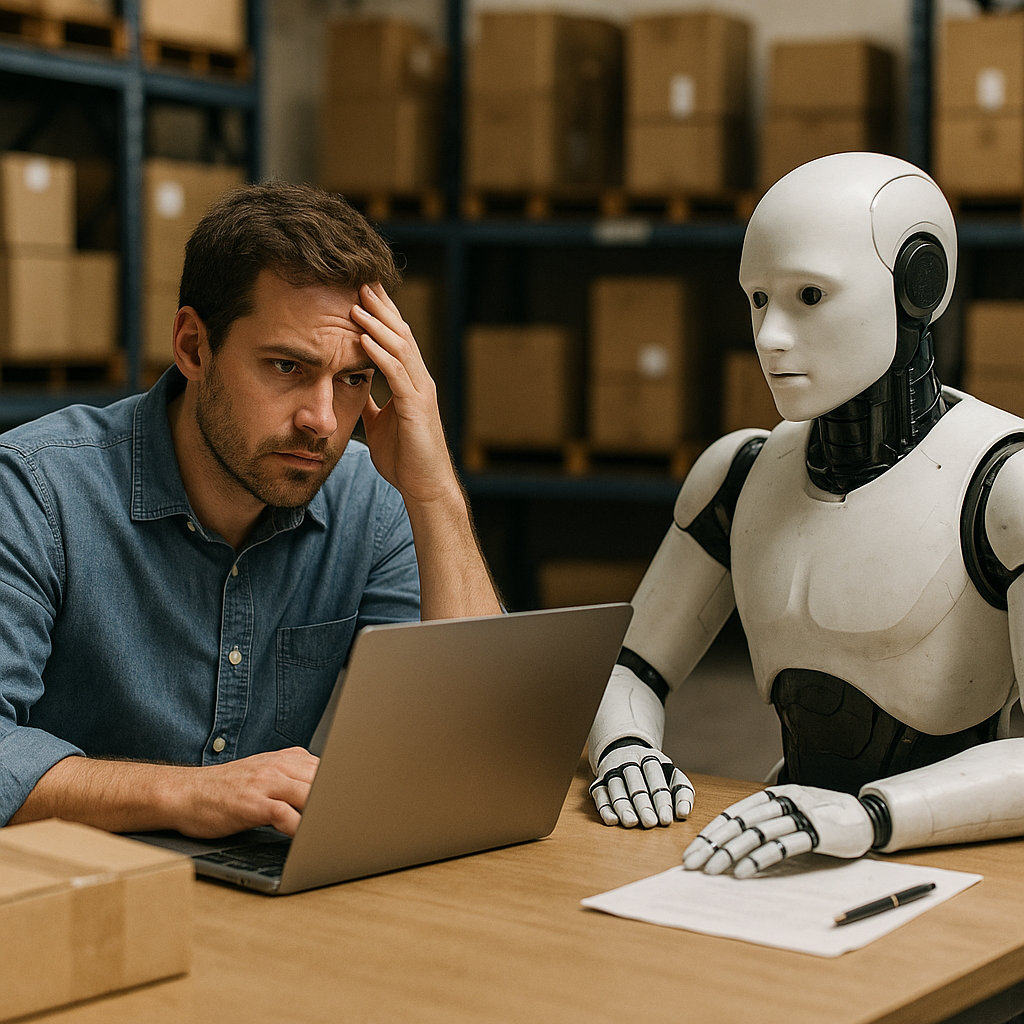
AI Agents: What’s the risk for SMID eCommerce?
The rise of artificial intelligence (AI) has transformed various industries, and eCommerce is no exception. Small and Medium-sized Enterprises (SMID) in the eCommerce sector are increasingly adopting AI agents to enhance customer experiences, streamline operations, and improve decision-making. However, the integration of AI agents also poses several risks that these businesses must navigate carefully.
Understanding AI Agents
AI agents are software programs that use artificial intelligence to perform tasks that typically require human intelligence. These tasks can include customer service, data analysis, inventory management, and personalized marketing. AI agents can be categorized into two main types: narrow AI, which is designed for specific tasks, and general AI, which can perform a wide range of activities.
The Benefits of AI Agents for SMID eCommerce
Before delving into the risks, it is essential to acknowledge the benefits that AI agents bring to SMID eCommerce businesses:
- Enhanced Customer Experience: AI agents can provide 24/7 customer support, answer queries, and assist in the purchasing process, leading to improved customer satisfaction.
- Operational Efficiency: By automating repetitive tasks, AI agents free up human resources, allowing employees to focus on more strategic activities.
- Data-Driven Insights: AI agents can analyze vast amounts of data to identify trends, customer preferences, and market opportunities, helping businesses make informed decisions.
- Personalization: AI can tailor marketing efforts to individual customers, enhancing engagement and increasing conversion rates.
Risks Associated with AI Agents in SMID eCommerce
While the advantages of AI agents are significant, several risks must be considered:
1. Data Privacy and Security
AI agents often require access to sensitive customer data to function effectively. This raises concerns about data privacy and security. If not properly managed, data breaches can lead to significant financial losses and damage to reputation.
2. Dependence on Technology
As businesses become more reliant on AI agents, there is a risk of losing essential human skills. Over-dependence on technology can lead to vulnerabilities, especially if the AI system fails or malfunctions.
3. Ethical Considerations
The use of AI agents also introduces ethical dilemmas. Issues such as bias in AI algorithms can lead to unfair treatment of certain customer groups. Ensuring that AI systems are transparent and fair is crucial for maintaining trust.
4. Job Displacement
Automation through AI can lead to job displacement, particularly in roles that involve repetitive tasks. While AI can enhance productivity, it may also result in workforce reductions, raising concerns about the future of employment in the eCommerce sector.
5. Customer Trust
Customers may feel uneasy interacting with AI agents, particularly in sensitive situations. Building trust in AI systems is essential for ensuring that customers feel comfortable engaging with automated solutions.
Strategies for Mitigating Risks
To harness the benefits of AI agents while minimizing risks, SMID eCommerce businesses can implement several strategies:
- Robust Data Protection Measures: Implement strong cybersecurity protocols to protect customer data and ensure compliance with data protection regulations.
- Human Oversight: Maintain a balance between AI and human involvement. Ensure that human employees are available to handle complex customer inquiries and situations that require empathy.
- Regular Audits: Conduct regular audits of AI systems to identify and rectify biases, ensuring that algorithms operate fairly and transparently.
- Customer Education: Educate customers about the use of AI agents, emphasizing the benefits while addressing any concerns they may have regarding privacy and security.
- Workforce Development: Invest in training and development programs for employees to equip them with the skills needed to work alongside AI technology.
Conclusion
AI agents present both opportunities and challenges for SMID eCommerce businesses. By understanding the potential risks and implementing effective strategies to mitigate them, these companies can leverage AI to enhance their operations while safeguarding their customers and employees. The future of eCommerce will likely be shaped by how well businesses adapt to and integrate AI technologies responsibly.
Frequently Asked Questions
AI agents are software programs that utilize artificial intelligence to perform tasks that typically require human intelligence, such as customer service, data analysis, and inventory management.
AI agents can pose risks related to data privacy and security, dependence on technology, ethical considerations, job displacement, and customer trust.
Businesses can mitigate risks by implementing robust data protection measures, ensuring human oversight, conducting regular audits, educating customers, and investing in workforce development.
Note: The integration of AI agents in eCommerce is a complex process that requires careful planning and consideration of various factors to ensure successful implementation.