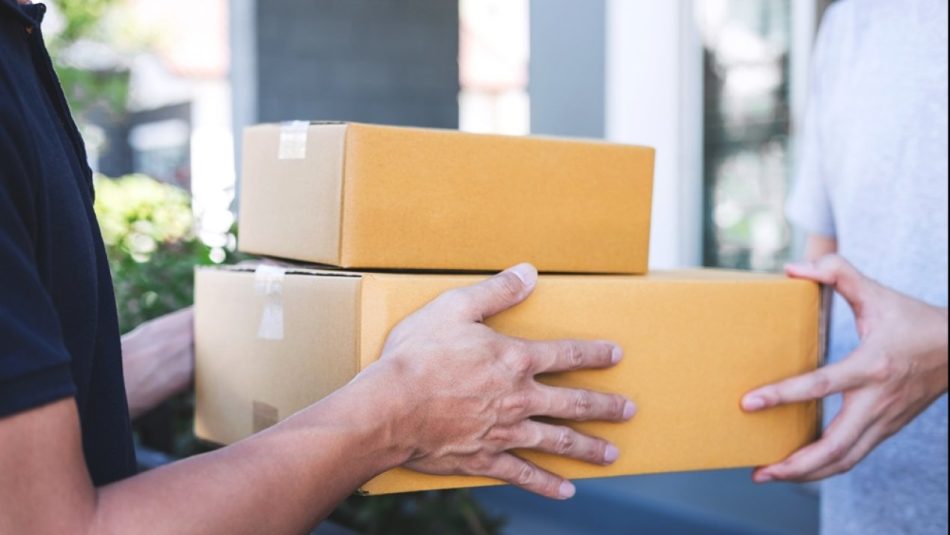
Amazon Launches Amazon Day in Mexico to Cut Packaging Waste
Amazon has recently introduced a new delivery option called Amazon Day in Mexico, aimed at reducing packaging waste and enhancing the convenience of online shopping for its Prime members. This initiative allows users to select a specific day of the week to receive multiple eligible orders in a single shipment, thereby streamlining the delivery process.
Key Features of Amazon Day
The Amazon Day program is designed to provide several benefits to both consumers and the environment. Here are some key features:
- Consolidated Deliveries: Customers can combine eligible purchases made throughout the week into one shipment, reducing the number of boxes used.
- Preferred Delivery Day: Users can set a specific day as their default delivery option, allowing them to manage their deliveries more effectively.
- No Additional Cost: Combining orders into a single shipment comes at no extra charge for Prime members.
Environmental Impact
One of the primary goals of Amazon Day is to minimize the environmental footprint associated with e-commerce deliveries. By consolidating orders, Amazon aims to:
- Reduce the number of delivery trips required, thus optimizing logistics routes.
- Decrease packaging materials used, contributing to lower waste generation.
- Enhance transportation efficiency, which is crucial as global e-commerce continues to expand.
Pedro Huerta, the Country Manager for Amazon Mexico, stated, “We are giving Amazon Prime members more control over their delivery experience with Amazon Day. By allowing them to choose when they receive their orders, we are simplifying their shopping experience while making our operations more efficient.”
Supporting Sustainability Initiatives
Amazon Day is part of a broader sustainability strategy that the company has been implementing. This strategy focuses on:
- Reducing waste across its logistics network.
- Improving energy efficiency in operations.
- Lowering the overall environmental impact of its delivery services.
Data from markets where Amazon Day has already been implemented show promising results. In the United States, Prime members utilizing this option reduced the average number of boxes used for deliveries by 20% in 2024. Similarly, in European markets such as the United Kingdom, France, Germany, Spain, and Italy, the feature contributed to a 15% reduction in the total number of packages shipped during the same period.
Technological Innovations
Amazon’s sustainability initiatives heavily rely on technology and artificial intelligence (AI) to enhance operational efficiency. Some of the technological advancements include:
- Packaging Optimization: AI tools are utilized to recommend optimal packaging sizes, reduce product returns, and identify energy inefficiencies in real time.
- Water Leak Detection: Systems can detect leaks in facilities, preventing waste and ensuring efficient operations.
- Ships in Product Packaging (SIPP): This program allows certain items to be shipped in their original packaging without an additional Amazon box, currently accounting for about 12% of Amazon’s global shipments.
Since 2015, Amazon’s packaging optimization initiatives have successfully avoided over 4 million tons of packaging materials globally.
The Growing Concern of E-Commerce Logistics
As e-commerce continues to grow, so does the environmental impact associated with it. Studies estimate that e-commerce accounts for approximately 2–3% of global carbon emissions, primarily due to transportation, packaging, and last-mile delivery operations. Shipping a single online order can generate between 0.2 kg and 1.2 kg of CO₂ equivalent, depending on various factors such as distance, delivery speed, and packaging materials.
Packaging itself can represent around 45% of the emissions tied to an e-commerce order, underscoring the importance of optimizing package sizes and reducing material usage. Logistics models that consolidate orders are increasingly recognized as effective strategies to mitigate these impacts. Research indicates that opting for slower or consolidated delivery options can significantly lower emissions, as it allows companies to optimize routes and load vehicles more efficiently. Conversely, fast or same-day delivery can lead to an increase in emissions by 10–12% due to less efficient transport logistics.
Future of E-Commerce and Sustainability
With global parcel volumes projected to reach 800 billion shipments annually by 2030, companies are under increasing pressure to adopt strategies such as delivery consolidation, packaging optimization, and low-emission transport fleets. These measures are crucial for mitigating the environmental footprint of e-commerce.
Frequently Asked Questions
Amazon Day is a delivery option that allows Amazon Prime members to choose a specific day of the week to receive multiple eligible orders in a single shipment, reducing packaging waste and enhancing delivery efficiency.
By consolidating deliveries into one shipment, Amazon Day reduces the number of boxes used, minimizes delivery trips, and optimizes logistics routes, all of which contribute to lowering waste generation and improving transportation efficiency.
Amazon has several sustainability initiatives, including the Ships in Product Packaging (SIPP) program, packaging optimization using AI, and various energy efficiency measures aimed at reducing the overall environmental impact of its logistics network.
Note: The information provided in this article is based on data available as of October 2023 and may be subject to change as new developments occur.