Amazon Opens Its Platform While Walmart Automates Its Warehouses
In the ongoing rivalry between Amazon and Walmart, both companies are adapting their strategies to maintain competitive advantages in the retail sector. Recently, Amazon has taken significant steps to broaden its digital marketplace, while Walmart is heavily investing in automating its supply chain.
Amazon Expands Its Digital Marketplace
On March 11, 2026, Amazon announced an expansion of its Shop Direct program, which allows customers to discover products from other retailers when Amazon does not carry the desired items. This initiative transforms Amazon into a gateway for a broader range of products available on the internet, rather than limiting its offerings to its own marketplace.
The Shop Direct program now features over 100 million products from more than 400,000 merchants. When customers search for specific brands or items that are not available on Amazon, they will see these external products alongside Amazon’s own listings. This feature provides a seamless shopping experience, as customers can click through to the merchant’s website to complete their purchases.
Integration with Third-Party Product Feeds
To facilitate the integration of these products, Amazon has partnered with feed aggregators such as Feedonomics, Salsify, and CedCommerce. These partnerships allow merchants to easily connect their existing inventory systems to Amazon, ensuring that their product details, pricing, and availability are updated in real time. Notably, this service is offered to merchants at no cost, making it an attractive option for retailers looking to expand their reach.
Introducing the Buy for Me Feature
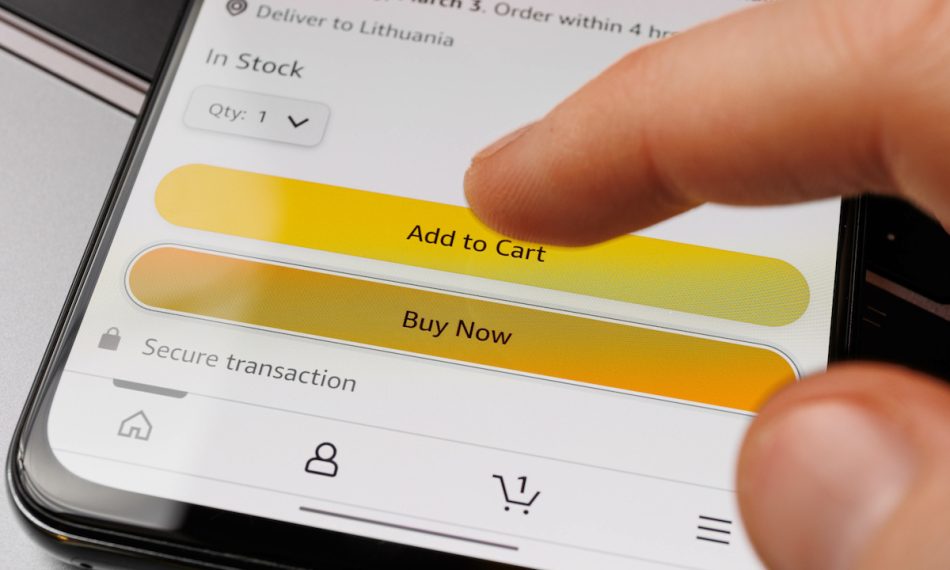
One of the most innovative developments from Amazon is the introduction of the “Buy for Me” feature. This feature utilizes artificial intelligence (AI) to complete purchases on third-party merchant websites without requiring customers to leave the Amazon platform. When a customer selects a product from Shop Direct, they can opt for the Buy for Me feature, which allows Amazon’s AI to navigate to the merchant’s site, fill in the customer’s saved address and payment details, and finalize the transaction.
Customers can confirm their order details on a familiar Amazon checkout screen, while Amazon tracks these purchases under a dedicated “Buy for Me Orders” tab. This approach not only enhances the customer experience but also positions Amazon as a central hub for online shopping.
Strategic Implications for Amazon
By expanding its product offerings and enhancing the purchasing process, Amazon aims to capture more customer searches that would typically begin on search engines like Google. Each search initiated on Amazon, even if it leads to a purchase on another retailer’s site, provides valuable data on consumer preferences, which can inform future marketing and product strategies.
Walmart’s Investment in Supply Chain Automation
While Amazon is focusing on digital expansion, Walmart is investing heavily in its physical infrastructure. Currently, 60% of Walmart’s U.S. stores receive freight from automated distribution centers, with 50% of eCommerce center volume also being automated. During its fourth quarter earnings call for 2026, Walmart executives emphasized their commitment to upgrading stores and back-end facilities with automation capabilities.
Walmart is also planning to open several “Store of the Future” locations, particularly in Florida and California. These stores will integrate automation, digital technology, and enhanced customer experiences, creating a new retail model that leverages Walmart’s extensive physical presence across the United States.
Leveraging Proximity for Efficient Delivery
Walmart’s strategy capitalizes on its proximity to customers. With thousands of stores located within a short drive of most American households, Walmart aims to transform its stores into mini-distribution centers. This approach allows for quicker product delivery without the need for extensive new infrastructure investments.
Conclusion
The contrasting strategies of Amazon and Walmart highlight their respective approaches to the evolving retail landscape. Amazon is enhancing its digital platform to become a comprehensive shopping destination, while Walmart is focusing on automating its supply chain to improve efficiency and customer service. As both companies continue to innovate, the retail sector will witness significant changes in how consumers shop and how products are delivered.
Frequently Asked Questions
The Shop Direct program allows customers to discover products from other retailers when Amazon does not carry the desired items. It features over 100 million products from various merchants, providing a broader shopping experience.
The Buy for Me feature uses AI to complete purchases on third-party merchant websites without customers leaving the Amazon platform. Customers can confirm their order details on Amazon’s checkout screen, streamlining the purchasing process.
Walmart is investing in automating its distribution centers and eCommerce operations. The company aims to enhance efficiency and customer service by integrating automation into its stores and logistics systems.
Note: The retail landscape is rapidly evolving, and both Amazon and Walmart are adapting their strategies to meet the changing needs of consumers.