
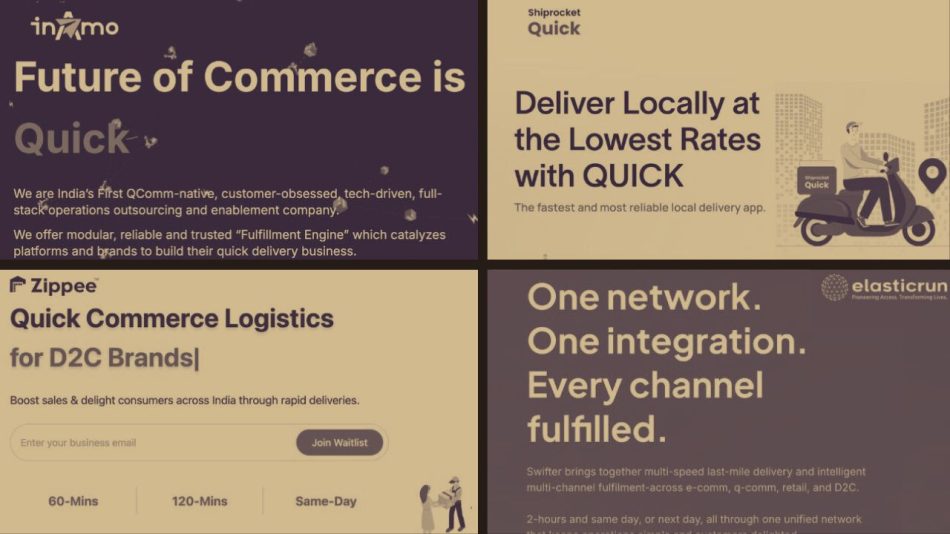
D2C brands’ need-for-speed dilemma
In recent years, Direct-to-Consumer (D2C) brands have been at the forefront of a significant shift in the retail landscape. The rise of e-commerce has empowered brands to sell directly to consumers, bypassing traditional retail channels. However, this shift has also introduced a pressing challenge: the need for speed in delivery. As consumer expectations evolve, D2C brands are racing to build rapid delivery systems on their own channels, despite facing unclear economics and a lack of proven success stories.
The Race for Rapid Delivery
The demand for faster delivery has never been more pronounced. Consumers now expect their orders to arrive at their doorstep within hours, if not minutes. This expectation has been fueled by the success of companies like Amazon and the emergence of quick-commerce platforms that promise ultra-fast delivery. As a result, D2C brands feel compelled to keep pace, leading to a frantic race to establish their own delivery capabilities.
The Challenges of Building Delivery Infrastructure
Building a robust delivery infrastructure is no small feat. D2C brands must consider various factors, including logistics, cost management, and customer satisfaction. Here are some of the key challenges they face:
- Logistics Complexity: Designing an efficient logistics network that can handle rapid delivery is complex. Brands need to establish warehouses, manage inventory, and coordinate transportation.
- Cost Implications: The economics of rapid delivery can be unclear. While consumers may be willing to pay a premium for speed, brands must carefully evaluate whether the additional costs associated with faster shipping can be justified.
- Customer Expectations: As brands invest in faster delivery, they must also ensure that they can consistently meet customer expectations. Failing to deliver on promises can lead to dissatisfaction and harm brand reputation.
Success Stories and Lessons Learned
While many D2C brands are still navigating the complexities of rapid delivery, a few have managed to carve out successful models. These brands have learned valuable lessons that can serve as a guide for others:
- Focus on Core Competencies: Successful D2C brands often focus on their core competencies, leveraging partnerships with established logistics providers rather than attempting to build everything in-house.
- Data-Driven Decisions: Utilizing data analytics to understand consumer behavior and optimize delivery routes has proven beneficial for brands looking to enhance efficiency.
- Flexibility and Adaptability: The ability to adapt to changing market conditions and consumer preferences is crucial. Brands that remain flexible in their approach are more likely to succeed.
The Future of D2C Delivery
As D2C brands continue to navigate the need-for-speed dilemma, the future of delivery will likely involve a combination of innovative technologies and strategic partnerships. Here are some trends to watch:
- Automation and Robotics: The integration of automation and robotics in logistics could streamline operations and reduce costs, making rapid delivery more feasible for D2C brands.
- Last-Mile Delivery Innovations: Innovations in last-mile delivery, such as drone delivery and autonomous vehicles, may emerge as viable solutions to meet consumer demand for speed.
- Sustainability Considerations: As consumers become more environmentally conscious, D2C brands will need to balance speed with sustainable practices in their delivery operations.
Conclusion
The need-for-speed dilemma presents both challenges and opportunities for D2C brands. While the race for rapid delivery is fraught with uncertainties, those that can navigate the complexities and find innovative solutions will be well-positioned to thrive in the evolving retail landscape. The key lies in understanding the economics of delivery, leveraging technology, and maintaining a customer-centric approach.
Frequently Asked Questions
D2C brands, or Direct-to-Consumer brands, are companies that sell their products directly to consumers without intermediaries such as retailers or wholesalers. This model allows brands to have more control over their sales, marketing, and customer relationships.
Rapid delivery is important for D2C brands because consumer expectations have shifted towards immediacy. Fast delivery can enhance customer satisfaction, increase repeat purchases, and help brands compete against established players in the market.
D2C brands face several challenges with delivery, including logistics complexity, unclear cost implications, and the need to meet customer expectations consistently. These factors can complicate the establishment of an efficient delivery infrastructure.
Note: The landscape of D2C brands is continually evolving, and staying informed about trends and challenges is crucial for success in this competitive market.


