
Digital blackface flourishes under Trump and AI: ‘The state is bending reality’
Digital blackface has become a prominent issue in American mass media, particularly in the context of the rise of artificial intelligence (AI) and the political climate under former President Donald Trump. This phenomenon, which involves the appropriation of Black culture and identity by non-Black individuals, has evolved rapidly in recent years, fueled by the accessibility of generative AI tools and social media platforms.
Understanding Digital Blackface
Coined in a 2006 academic paper, the term “digital blackface” refers to the commodification of Black culture for non-Black expression online. This can manifest in various forms, including the use of African American Vernacular English, darker-skinned emojis, and reaction memes featuring prominent Black figures like Beyoncé and Katt Williams. The appropriation of Black culture often strips away the context and significance of these expressions, reducing them to mere entertainment for a predominantly white audience.
The Role of AI in Amplifying Digital Blackface
With the advent of AI technologies, the production of digital blackface has accelerated. Generative AI video tools have made it easier for users to create hyperrealistic representations of Black individuals, often devoid of any cultural context or responsibility. For instance, during a recent government shutdown, viral TikTok videos portrayed Black individuals discussing their experiences with food stamps in exaggerated and stereotypical manners. These videos, which were later revealed to be AI-generated deepfakes, contributed to harmful narratives about Black communities and welfare.
The Impact of Misinformation
Media outlets like Fox News and Newsmax have reported on these deepfake videos as if they were authentic, further perpetuating stereotypes and misinformation. For example, conservative commentators have claimed that Black individuals are abusing the SNAP program, despite the fact that white Americans constitute a significant portion of its beneficiaries. This kind of rhetoric not only misrepresents the facts but also reinforces harmful stereotypes about Black people and welfare.
Historical Context of Blackface
The roots of blackface can be traced back to the minstrel shows of the early 19th century, where white performers would use grease paint to caricature Black features and behaviors. This form of entertainment was deeply rooted in racism and served to reinforce negative stereotypes about Black individuals. The legacy of these performances continues to influence contemporary media representations of Black culture.
Contemporary Examples of Digital Blackface
In recent years, the use of AI-generated avatars and synthetic voices has blurred the lines between authentic Black representation and appropriation. Many non-Black creators exploit these technologies to gain cultural capital, often without acknowledging or compensating the original Black creators whose work they draw from. This has led to a situation where Black expression is increasingly divorced from its authorship and context, raising ethical concerns about representation in digital spaces.
The Political Dimension
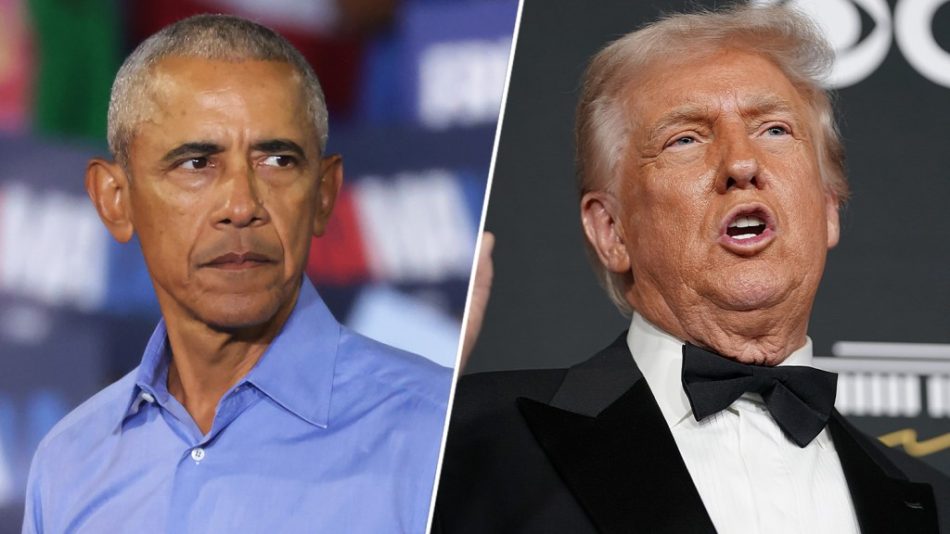
The Trump administration has also engaged in the propagation of digital blackface. For instance, the official White House X account posted a manipulated image of activist Nekima Levy Armstrong, altering her appearance to fit a negative stereotype. Additionally, images portraying the Obamas in derogatory ways circulated on social media platforms associated with Trump. These actions highlight the intersection of politics and digital blackface, as misinformation and propaganda are used to further political agendas.
Conclusion
Digital blackface represents a troubling trend in the intersection of technology, culture, and politics. As AI continues to evolve, the potential for misuse and misrepresentation grows, making it essential for society to critically examine the implications of these technologies. The commodification of Black culture in the digital realm not only undermines the authenticity of Black voices but also perpetuates harmful stereotypes that have persisted for centuries.
Frequently Asked Questions
Digital blackface refers to the appropriation of Black culture and identity by non-Black individuals online, often through the use of memes, emojis, and other digital expressions that lack context and cultural significance.
AI technologies, particularly generative AI tools, have made it easier to create hyperrealistic representations of Black individuals, often leading to the spread of harmful stereotypes and misinformation without cultural context.
The historical roots of blackface can be traced back to minstrel shows in the 19th century, where white performers caricatured Black features and behaviors, reinforcing negative stereotypes and racism that persist today.
Note: The discussion surrounding digital blackface and its implications is ongoing, and it is crucial to remain informed about the evolving nature of representation in digital media.