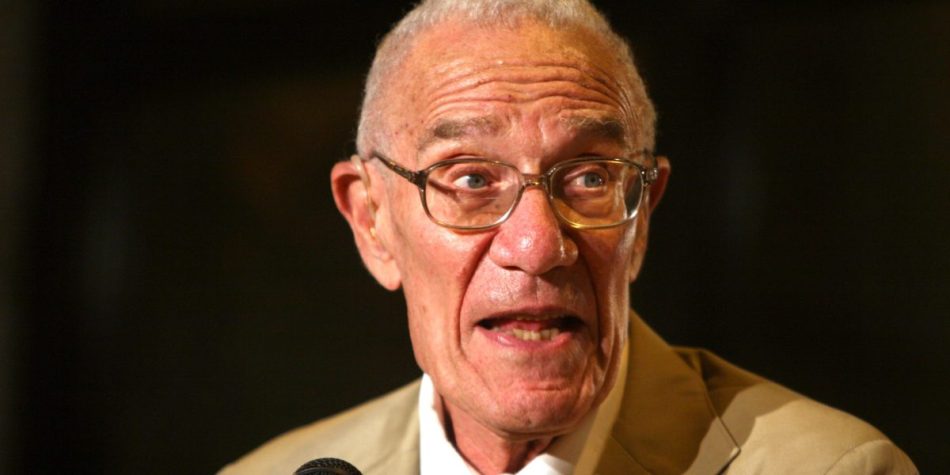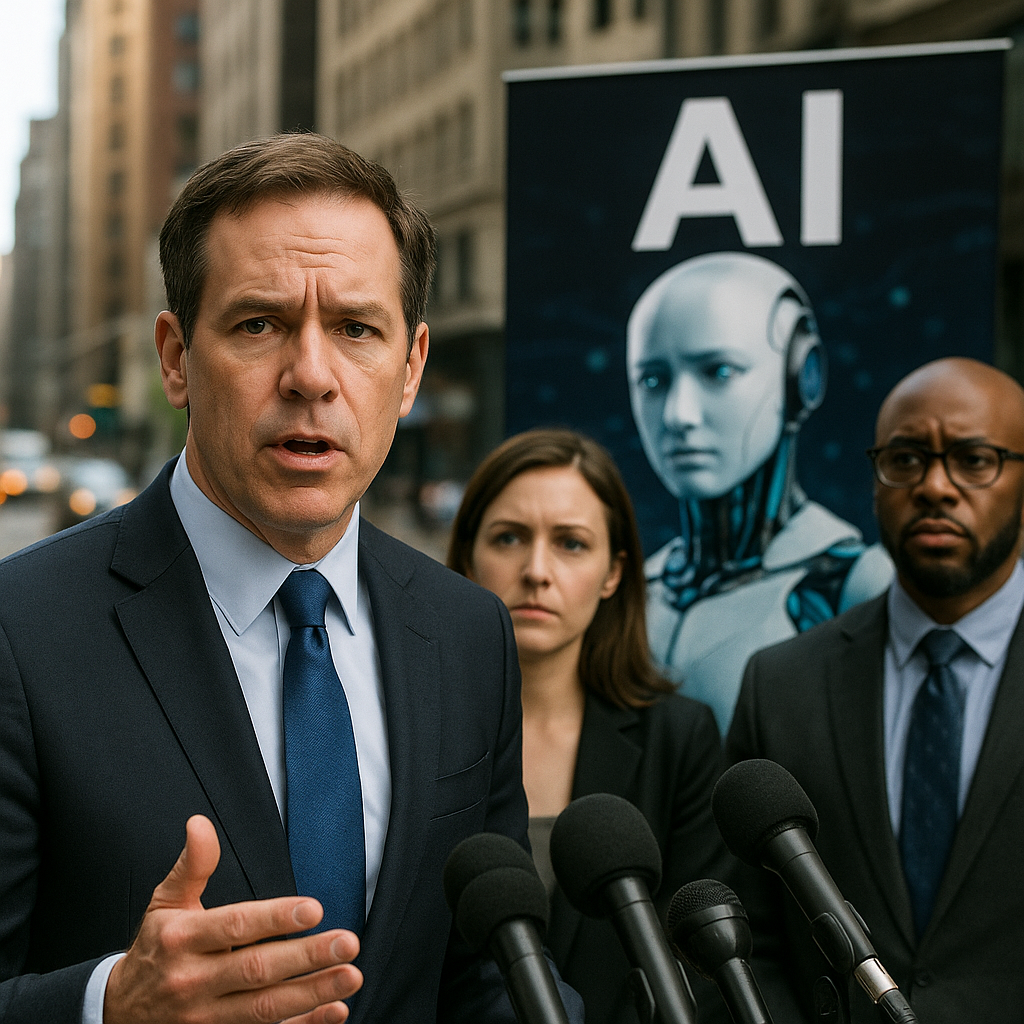

Dr. Oz Pushes AI Avatars as a Fix for Rural Health Care
In recent discussions surrounding the future of healthcare, Dr. Mehmet Oz has emerged as a prominent advocate for the integration of artificial intelligence (AI) avatars in rural health care settings. While the potential benefits of AI in improving access to medical services are widely recognized, critics have raised concerns about the feasibility, ethics, and effectiveness of such technology in addressing the unique challenges faced by rural communities.
The Promise of AI in Healthcare
Artificial intelligence has the potential to revolutionize healthcare delivery, particularly in underserved areas. The use of AI avatars, which can simulate human interaction and provide medical advice, is seen as a promising solution to bridge the gap in healthcare access. Proponents argue that these digital assistants could:
- Provide immediate medical advice and triage services.
- Reduce the burden on healthcare professionals by handling routine inquiries.
- Enhance patient education through interactive platforms.
- Facilitate remote consultations, thereby overcoming geographical barriers.
Dr. Oz’s Vision
Dr. Oz has been vocal about his belief that AI avatars can be a game-changer for rural health care. He envisions a future where patients in remote areas can access medical guidance without the need for long-distance travel. According to Oz, these avatars could be programmed with extensive medical knowledge and tailored to address the specific health issues prevalent in rural populations.
“Imagine a world where anyone can have a conversation with a medical expert at any time, without the constraints of distance or availability,” Dr. Oz stated during a recent healthcare conference. His enthusiasm for AI technology reflects a growing trend among healthcare innovators who are eager to harness digital solutions to improve patient outcomes.
Challenges and Criticisms
Despite the optimistic outlook presented by Dr. Oz and other advocates, several challenges and criticisms have emerged regarding the implementation of AI avatars in rural health care:
1. Lack of Personal Touch
Critics argue that while AI avatars can provide information, they lack the empathy and understanding that human healthcare providers offer. The personal connection between patients and providers is crucial, especially in rural areas where trust and familiarity can significantly impact health outcomes.
2. Technological Barriers
Rural communities often face significant technological barriers, including limited internet access and inadequate digital literacy. Implementing AI avatars in these areas may not be feasible if patients cannot reliably connect to the internet or navigate digital platforms.
3. Ethical Concerns
There are also ethical concerns surrounding the use of AI in healthcare. Questions about data privacy, security, and the potential for bias in AI algorithms are paramount. Critics worry that relying on AI could lead to misdiagnoses or inappropriate treatment recommendations, particularly if the technology is not rigorously tested and monitored.
4. Dependence on Technology
Another concern is the potential over-reliance on technology for health care. Critics warn that AI avatars may encourage patients to bypass traditional medical consultations, which could delay necessary treatments and exacerbate health issues.
Case Studies and Real-World Applications
Some rural health care systems have already begun experimenting with AI technologies, albeit in more limited capacities. For example, telehealth services have gained traction, allowing healthcare providers to consult with patients remotely. These services have shown promise in improving access to care, but they still rely on human oversight and interaction.
In some instances, AI-driven chatbots have been used to provide basic health information and answer common questions. However, these applications are typically designed to supplement, rather than replace, human care. The success of these initiatives highlights the importance of maintaining a balance between technology and human interaction in healthcare delivery.
The Future of AI in Rural Health Care
As the healthcare landscape continues to evolve, the integration of AI technologies will likely play a significant role in shaping the future of rural health care. However, it is essential for stakeholders to approach the implementation of AI avatars with caution. A collaborative approach that involves healthcare professionals, technology developers, and community members is crucial to ensure that AI solutions are effective, ethical, and tailored to the needs of rural populations.
Furthermore, ongoing research and evaluation will be necessary to assess the impact of AI technologies on health outcomes in rural areas. This will help identify best practices and address any challenges that arise as these technologies are adopted.
Conclusion
While Dr. Oz’s advocacy for AI avatars in rural health care highlights the potential for innovative solutions to improve access and efficiency, it is vital to consider the criticisms and challenges associated with such technology. Balancing the benefits of AI with the need for human connection, ethical considerations, and technological accessibility will be key to successfully integrating AI into rural health care systems.
Note: The discussion surrounding AI in healthcare is ongoing, and it is essential to stay informed about the latest developments and research in this rapidly evolving field.