Edge Computing in Retail 2026: Examples, Benefits, and a Guide
In the fast-evolving world of retail, edge computing is emerging as a critical technology that enhances store operations and customer experiences. As we look towards 2026, understanding the implications of edge computing in retail becomes essential for businesses aiming to stay competitive.
What is Edge Computing in Retail?
Edge computing refers to the practice of processing data closer to the source of generation rather than relying solely on centralized cloud data centers. In a retail context, this means that data processing occurs within or near the store, significantly reducing latency and improving operational efficiency.
For example, instead of sending camera feeds to a distant cloud server for analysis, an edge device within the store processes this data locally. This allows for real-time decision-making and reduces the risk of downtime due to internet connectivity issues.
Why Edge Computing is Accelerating in 2026 Retail
The adoption of edge computing in retail is driven by several key factors:
- AI Needs Local Processing Power: Many artificial intelligence applications, such as computer vision for loss prevention and real-time recommendation engines, require immediate processing capabilities that cloud computing cannot provide due to latency.
- Stores Remain Revenue Centers: Despite the growth of e-commerce, physical stores still account for approximately 80% of global retail sales. Therefore, enhancing these locations with digital intelligence necessitates real-time data processing at the edge.
- Operational Resilience: Retailers face significant financial losses during outages. Implementing edge computing can mitigate these risks by ensuring critical operations continue even when internet connectivity is compromised.
Top Edge Computing Use Cases in Retail
Edge computing offers various applications in retail that enhance efficiency and customer satisfaction:
- Back-Office Micro Servers: These small servers run local applications such as inventory management and analytics, ensuring continuous operation even during network disruptions.
- Smart POS Terminals: Point of sale devices that can process transactions and validate loyalty data locally, maintaining functionality during internet outages.
- Computer Vision Cameras: In-store cameras equipped with local processing units that analyze video feeds for loss prevention and traffic counting without relying on cloud processing.
- IoT Gateways: Devices that gather data from various sensors and perform initial processing before syncing with the cloud, ensuring timely responses to in-store conditions.
- Interactive Kiosks and Digital Signage: Displays that utilize locally cached customer data to provide personalized content without the need for constant cloud communication.
Edge vs. Cloud vs. Hybrid for Retail Teams
Understanding the differences between edge, cloud, and hybrid computing models is crucial for retailers:
- Edge Computing: Best for applications requiring low latency and high reliability, particularly in scenarios where immediate data processing is essential.
- Cloud Computing: Suitable for less time-sensitive applications and large-scale data storage, but can suffer from latency and connectivity issues.
- Hybrid Computing: Combines both edge and cloud capabilities, allowing retailers to leverage the strengths of both models for different use cases.
Architecture Blueprint: What a Retail Edge Stack Looks Like
A robust edge computing architecture in retail typically includes:
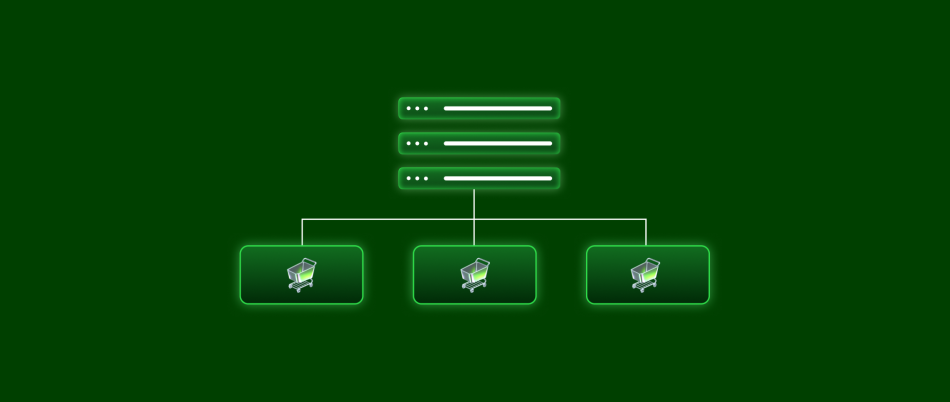
- Local servers for data processing and storage
- IoT devices for data collection and monitoring
- Networking equipment to ensure seamless communication between edge devices and the cloud
- Security protocols to protect sensitive data processed at the edge
Implementation Roadmap: How to Deploy Edge Computing in Retail Stores
To effectively implement edge computing, retailers should follow these steps:
- Assess current infrastructure and identify needs for edge computing.
- Choose appropriate edge devices and software solutions.
- Integrate edge solutions with existing systems and processes.
- Train staff on new technologies and workflows.
- Monitor performance and make adjustments as necessary.
Risks, Pitfalls, and How to Avoid Them
While edge computing offers numerous benefits, retailers must be aware of potential risks:
- Data Security: Ensure robust security measures to protect sensitive information processed at the edge.
- Integration Challenges: Plan for compatibility with existing systems to avoid operational disruptions.
- Scalability: Choose solutions that can grow with the business to avoid future limitations.
The Outlook for 2026: What’s Going to Change in the Next 12 to 24 Months?
As we move towards 2026, the landscape of retail technology will continue to evolve. Edge computing will play a pivotal role in enhancing customer experiences, improving operational efficiency, and enabling retailers to leverage real-time data for strategic decision-making.
Frequently Asked Questions
Edge computing offers reduced latency, improved operational resilience, and enhanced data security by processing information closer to its source, allowing retailers to maintain critical functions during internet outages.
By enabling real-time data processing, edge computing allows for faster transactions, personalized customer interactions, and improved inventory management, all of which enhance the overall shopping experience.