How AI Is Turbocharging the War in Iran
The integration of artificial intelligence (AI) into military operations is reshaping the landscape of modern warfare, particularly in conflict zones like Iran. As nations increasingly adopt advanced technologies, the implications for strategy, tactics, and outcomes are profound. This article explores how AI is enhancing military capabilities in Iran, the challenges it poses, and the broader implications for global security.
The Role of AI in Modern Warfare
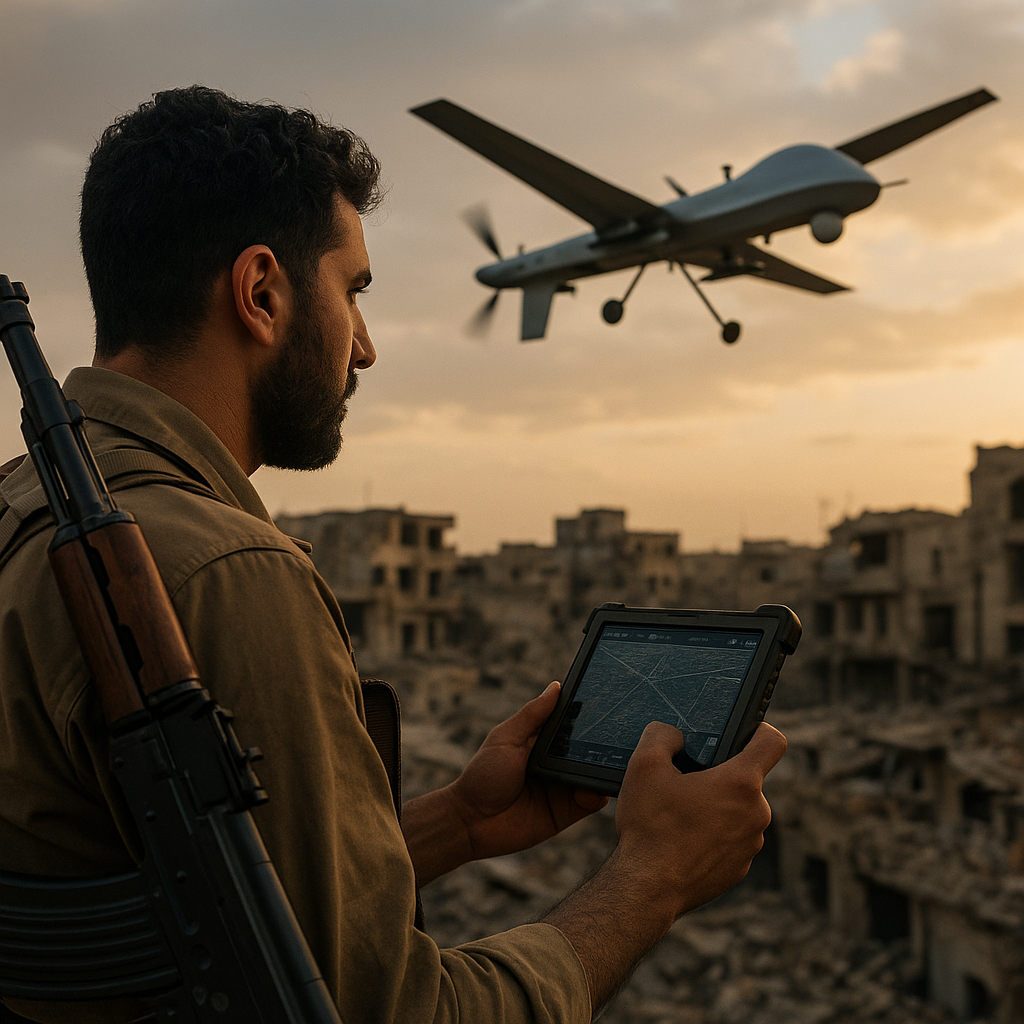
AI technologies are revolutionizing various aspects of warfare, including surveillance, logistics, and combat operations. In Iran, the military is leveraging AI to enhance its operational effectiveness. This includes the use of drones, automated systems, and data analysis tools that provide real-time insights into battlefield conditions.
Surveillance and Reconnaissance
One of the most significant applications of AI in warfare is in surveillance and reconnaissance. AI-powered drones and satellites can gather vast amounts of data, which is then analyzed to identify targets and assess threats. In Iran, these technologies are being used to monitor troop movements, track enemy positions, and gather intelligence on potential adversaries.
Combat Operations
AI is also playing a critical role in combat operations. Autonomous weapons systems, which can make decisions without human intervention, are becoming more prevalent. In Iran, these systems are being integrated into military strategies, allowing for faster response times and more precise strikes. However, the use of autonomous weapons raises ethical questions and concerns about accountability in warfare.
Logistics and Supply Chain Management
Efficient logistics are crucial for military success. AI is enhancing supply chain management by predicting demand, optimizing routes, and managing inventory. In the context of the Iranian military, AI-driven logistics can streamline operations, ensuring that troops have the necessary resources when and where they need them.
The Challenges of AI in Warfare
While AI offers numerous advantages, it also presents significant challenges. The reliance on technology can create vulnerabilities, particularly if systems are hacked or malfunction. Additionally, the ethical implications of using AI in warfare cannot be overlooked. Questions about the morality of autonomous weapons and the potential for unintended consequences are at the forefront of discussions among military leaders and policymakers.
Cybersecurity Risks
As military operations become increasingly dependent on AI, the risk of cyberattacks grows. Adversaries may seek to exploit vulnerabilities in AI systems to disrupt operations or gain a strategic advantage. In Iran, safeguarding AI technologies from cyber threats is a top priority, as any breach could have catastrophic consequences.
Ethical Considerations
The deployment of AI in military settings raises ethical questions about the role of human judgment in warfare. The potential for autonomous systems to make life-and-death decisions without human oversight is a contentious issue. As Iran continues to develop its AI capabilities, it must navigate these ethical dilemmas carefully to maintain legitimacy and public support.
Global Implications of AI in Warfare
The advancements in AI technology are not limited to Iran; they have global implications for military strategy and international relations. As countries race to develop and deploy AI capabilities, the balance of power may shift, leading to new tensions and conflicts.
Arms Race in AI Technology
The integration of AI into military operations is fueling an arms race among nations. Countries that can harness AI effectively may gain a significant strategic advantage over their adversaries. This competition could lead to increased military spending and a focus on developing advanced technologies, further escalating global tensions.
International Norms and Regulations
The rise of AI in warfare also raises questions about international norms and regulations. There is a growing call for frameworks to govern the use of AI in military applications to prevent misuse and ensure accountability. As Iran and other nations advance their AI capabilities, the international community must engage in discussions to establish guidelines that promote responsible use.
Conclusion
AI is undeniably transforming the nature of warfare, and its impact is particularly evident in conflict zones like Iran. While the benefits of AI in enhancing military capabilities are clear, the associated challenges and ethical considerations cannot be ignored. As nations navigate this new landscape, it is crucial to strike a balance between leveraging technological advancements and adhering to ethical standards to ensure a more stable and secure world.
Frequently Asked Questions
The Iranian military uses AI primarily for surveillance and reconnaissance, combat operations, and logistics management. AI technologies enhance data collection, target identification, and resource allocation, improving overall operational efficiency.
Ethical concerns include the potential for autonomous weapons to make life-and-death decisions without human oversight, accountability for actions taken by AI systems, and the moral implications of using technology in conflict. These issues necessitate careful consideration as AI technologies are developed and deployed.
AI is contributing to an arms race among nations, as countries seek to develop advanced military technologies. This competition can lead to increased military spending and heightened tensions, emphasizing the need for international regulations to govern the use of AI in warfare.
Note: The information presented in this article is based on the current understanding of AI technologies and their implications in warfare as of October 2023.