
How scammers are using AI deepfakes to steal money from taxpayers
In recent years, the emergence of artificial intelligence (AI) technologies has revolutionized various industries, from healthcare to entertainment. However, with these advancements come significant risks, particularly in the realm of cybersecurity. One of the most alarming threats is the use of AI-generated deepfakes by scammers to commit fraud and steal money from unsuspecting taxpayers.
Understanding Deepfakes
Deepfakes are synthetic media in which a person’s likeness is replaced with someone else’s likeness using AI techniques. This technology leverages machine learning algorithms to analyze and replicate facial expressions, voice patterns, and other personal characteristics. While deepfakes can be used for harmless entertainment, such as in movies or social media, they can also be weaponized for malicious purposes.
The Mechanics of Deepfake Scams
Scammers are increasingly employing deepfake technology to create convincing impersonations of individuals, particularly public figures and trusted authorities. The mechanics of these scams typically involve the following steps:
- Data Collection: Scammers gather publicly available data about their target, including videos, speeches, and social media posts. This data is essential for training AI models to create realistic deepfakes.
- Deepfake Creation: Using advanced deep learning techniques, scammers generate a deepfake video or audio clip that convincingly mimics the target’s appearance and voice.
- Distribution: The deepfake content is then disseminated through various channels, including social media, email, or even direct phone calls, often impersonating a trusted figure.
- Exploitation: The ultimate goal is to manipulate victims into providing sensitive information or transferring money, believing they are interacting with a legitimate authority.
Real-World Examples of Deepfake Scams
Several high-profile cases have highlighted the dangers of deepfake scams:
- CEO Fraud: In one notable incident, a deepfake of a CEO was used to convince an employee to transfer a substantial sum of money to a fraudulent account. The employee believed they were following legitimate instructions from their boss.
- Political Manipulation: During election cycles, deepfake videos have been created to misrepresent candidates, spreading misinformation and influencing public opinion.
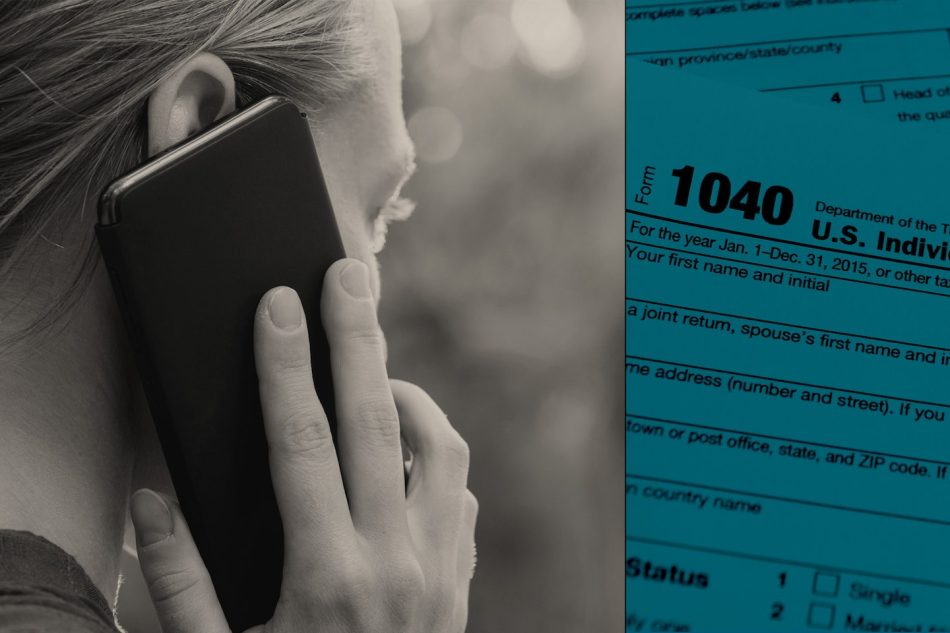
- Tax Fraud: Scammers have also used deepfakes to impersonate tax officials, tricking individuals into revealing personal information or making unauthorized payments.
The Impact on Taxpayers
The implications of deepfake scams extend beyond individual victims. Taxpayers as a whole bear the brunt of these fraudulent activities. The financial losses incurred due to scams can lead to increased taxes and reduced public services. Furthermore, the erosion of trust in legitimate institutions can have lasting effects on civic engagement and compliance with tax regulations.
Protecting Yourself from Deepfake Scams
As deepfake technology continues to evolve, it is crucial for individuals and organizations to take proactive measures to protect themselves from potential scams. Here are some strategies to consider:
- Verify Sources: Always verify the identity of individuals requesting sensitive information or financial transactions. Use official channels to confirm requests.
- Educate Yourself: Stay informed about the latest trends in deepfake technology and scams. Awareness is a powerful tool in preventing fraud.
- Use Technology Wisely: Employ advanced security measures, such as two-factor authentication and fraud detection software, to safeguard personal and financial information.
Legislative and Technological Responses
Governments and tech companies are beginning to respond to the threat of deepfake scams. Legislative efforts are underway in various countries to regulate the use of deepfake technology and impose penalties for its malicious use. Additionally, tech companies are developing tools to detect deepfakes and raise awareness about their potential dangers.
Conclusion
The rise of AI deepfakes presents a new frontier in the world of scams and fraud. As scammers become more sophisticated in their tactics, it is essential for individuals and organizations to remain vigilant and informed. By understanding the mechanics of deepfake scams and taking proactive steps to protect themselves, taxpayers can reduce their risk of falling victim to these emerging threats.
Frequently Asked Questions
Deepfakes are synthetic media created using AI technology that allows for the realistic manipulation of audio and video, often used to impersonate individuals.
To protect yourself, verify the identity of individuals requesting sensitive information, stay informed about deepfake technology, and use security measures like two-factor authentication.
Yes, various countries are implementing legislation to regulate deepfake technology and impose penalties for its malicious use, aiming to combat the rise of deepfake scams.
Note: The information provided in this article is for educational purposes only and should not be considered legal or financial advice.