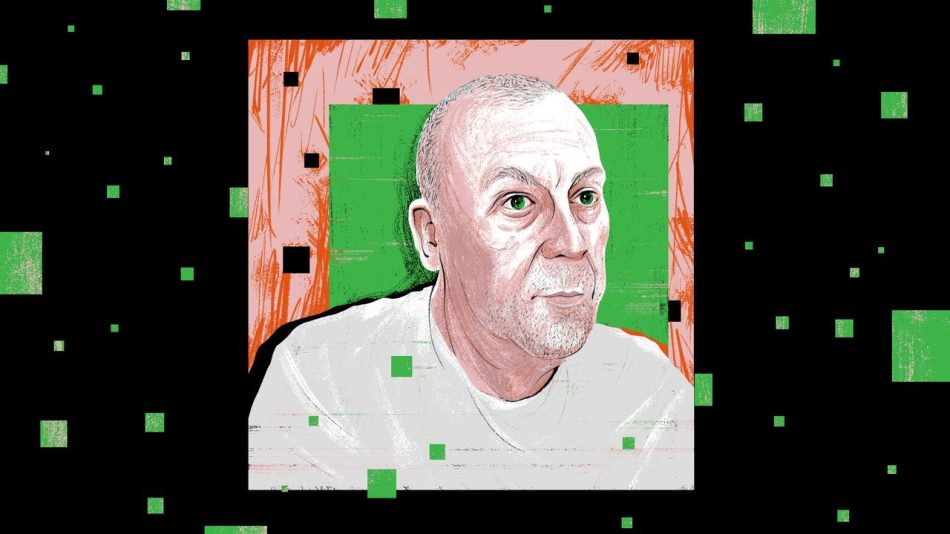

Jack Dorsey’s New Company Falling Apart as It Forces Employees to Use AI
Jack Dorsey, the co-founder of Twitter, is facing significant challenges in his latest venture, Block, a financial services company. Recent reports indicate that the company is undergoing a tumultuous period marked by layoffs, employee dissatisfaction, and a controversial push towards the mandatory use of artificial intelligence (AI) in daily operations.
Layoffs and Employee Morale
In February 2026, Block initiated a series of layoffs as part of what Bloomberg described as an “efficiency push.” This move could potentially impact up to ten percent of the company’s workforce. The layoffs have created an atmosphere of anxiety and uncertainty among employees, with many expressing concerns about job security. An employee quoted during a recent all-hands meeting stated, “We don’t yet know if our livelihoods will be affected, and this makes it incredibly hard to make major life choices without knowing if we still have a job next week.”
Another employee shared, “Morale is probably the worst I’ve felt in four years.” Such sentiments reflect a broader discontent within the company, with reports indicating that the overall culture at Block is deteriorating. Employees are grappling with the stress of potential job loss while also facing increased demands from management.
The Push for AI Integration
At the heart of Block’s current challenges is the company’s mandate for employees to use AI tools. This directive has sparked frustration among staff, with one employee commenting, “Top-down mandates to use large language models are crazy. If the tool were good, we’d all just use it.” The requirement for employees to send weekly update emails to Dorsey, which he then summarizes using generative AI, has further compounded frustrations.
During an all-hands meeting, Dorsey acknowledged the “performance anxiety” and “widespread concerns about layoffs” affecting staff but reportedly offered little in the way of reassurance. Instead, he attributed some of the layoffs to employees “phoning it in,” which many found dismissive of their concerns.
The Broader Implications of AI in the Workplace
The situation at Block is not unique; many tech companies are grappling with similar issues as they implement AI technologies. Research indicates that rather than alleviating workloads, AI is intensifying them, leading to a phenomenon known as “AI burnout.” Workers are experiencing heightened levels of stress due to the constant threat of automation and job redundancy.
Experts have raised alarms about the psychological effects of these pressures, with studies showing that the fear of being replaced by AI can lead to anxiety, insomnia, paranoia, and a loss of identity among workers. The mental health implications of such a work environment are significant and warrant serious consideration.
Conclusion
As Jack Dorsey navigates the challenges at Block, the interplay between AI integration and employee well-being remains a critical issue. The company’s approach to implementing AI, coupled with its handling of layoffs, has created a precarious situation that could have lasting effects on its workforce and overall culture.
Frequently Asked Questions
The layoffs at Block were part of an “efficiency push” aimed at restructuring the company, which could affect up to ten percent of its workforce.
Many employees have expressed frustration with the top-down mandate to use AI tools, feeling that if these tools were effective, they would naturally adopt them without coercion.
Research indicates that the fear of job loss due to AI automation can lead to anxiety, insomnia, paranoia, and a loss of identity among workers, contributing to a phenomenon known as “AI burnout.”
Note: The information presented in this article is based on reports and research available as of February 2026.