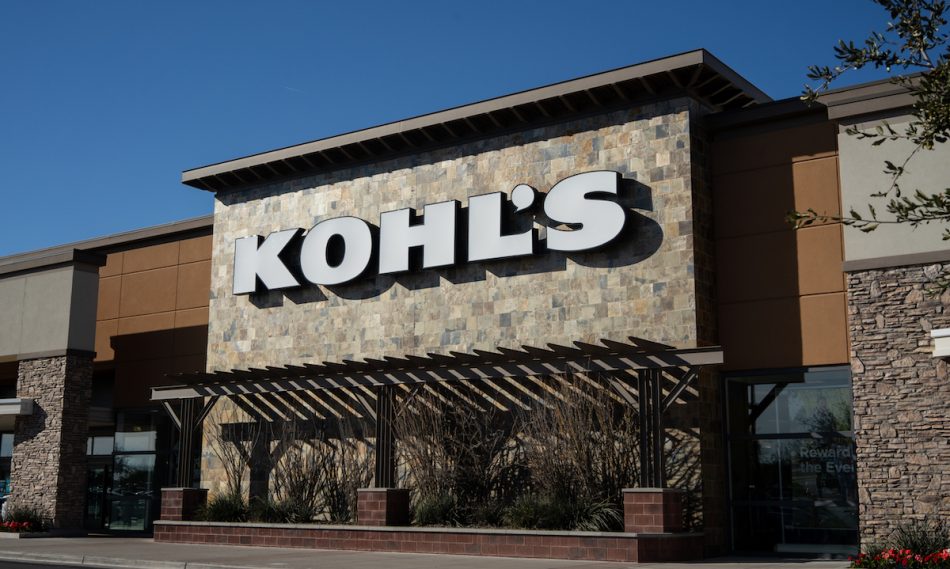
Kohl's Focuses on eCommerce as Low-Income Shoppers Face Pressure
Kohl’s, the well-known department store chain, is currently navigating significant challenges as it seeks to adapt to the evolving landscape of retail. Recent earnings reports indicate a decline in net sales, with a decrease of 3.9% for the quarter and 4% for the full year. The company has issued a cautious outlook for the upcoming year, projecting that comparable sales may remain flat or decrease by 2%.
Economic Pressures on Core Customers
During a recent earnings call, CEO Michael Bender described 2025 as a period of “substantial change” for Kohl’s. The company is in the midst of a turnaround program aimed at addressing ongoing issues and strengthening its foundational areas. Bender noted that Kohl’s core customers, primarily low- to middle-income shoppers, are facing financial pressures that are influencing their spending habits.
“Our core low- to middle-income customers continue to face financial pressure, and they are seeking value,” Bender explained. He emphasized that these consumers are becoming more selective with their discretionary spending, prompting Kohl’s to adopt “breakthrough pricing” strategies to remain competitive, especially during high-traffic holiday periods.
Strategic Shifts in Product Offerings
In response to changing consumer behavior, Kohl’s is enhancing its proprietary brand portfolio, which includes popular names like Lauren Conrad and Sonoma. This strategy aims to provide an “opening price point” that resonates with budget-conscious families. Additionally, the company is expanding its in-store initiatives, such as the “Deal Bar” and “Impulse” programs, which feature items priced under $10 to capture incremental sales.
Investment in Digital Infrastructure
Beyond product offerings, Kohl’s is making significant investments in its digital infrastructure to better compete in the modern retail landscape. Bender highlighted the importance of modernizing the company’s “foundational data architecture” to prepare for a future increasingly driven by artificial intelligence (AI) and agent technology. This focus on digital interactions is crucial as eCommerce growth continues to outpace overall retail sector growth.
Recent data from the U.S. Census Bureau shows that the growth of online commerce is not only linked to technological advancements but also to shifting consumer financial conditions. Research from PYMNTS Intelligence reveals that 30% of consumers made an online retail purchase within the previous 30 days, marking a 13% year-over-year increase. Conversely, participation in in-store retail has declined by six percentage points, indicating a significant shift from physical locations to digital channels.
Leadership Changes and Future Outlook
Michael Bender, who took on the role of CEO last November, is the latest leader in a series of executive changes within the company. Kohl’s has experienced a prolonged period of declining sales and executive turnover, making the current turnaround efforts even more critical. Bender’s leadership is focused on implementing strategies that will stabilize the company and enhance its market position.
Conclusion
As Kohl’s navigates these challenging times, its focus on eCommerce and value-driven offerings for low-income shoppers may prove essential in regaining consumer trust and improving sales. The company’s commitment to modernizing its digital presence and product offerings reflects a strategic response to the current economic climate and changing consumer behaviors.
Frequently Asked Questions
Kohl’s is facing challenges related to declining net sales and financial pressures on its core low- to middle-income customers, leading to a cautious outlook for future sales.
Kohl’s is adapting by enhancing its proprietary brand portfolio, expanding in-store initiatives like the “Deal Bar,” and investing in its digital infrastructure to improve eCommerce capabilities.
The growth of eCommerce is significant for Kohl’s as it provides an opportunity to capture sales from consumers who are increasingly shifting their shopping habits from physical stores to online platforms.
Note: The information provided in this article is based on data available as of March 2026 and may be subject to change.