Mysterious Olsen twins become the latest victims of AI deepfakes after Louis Vuitton ad goes viral
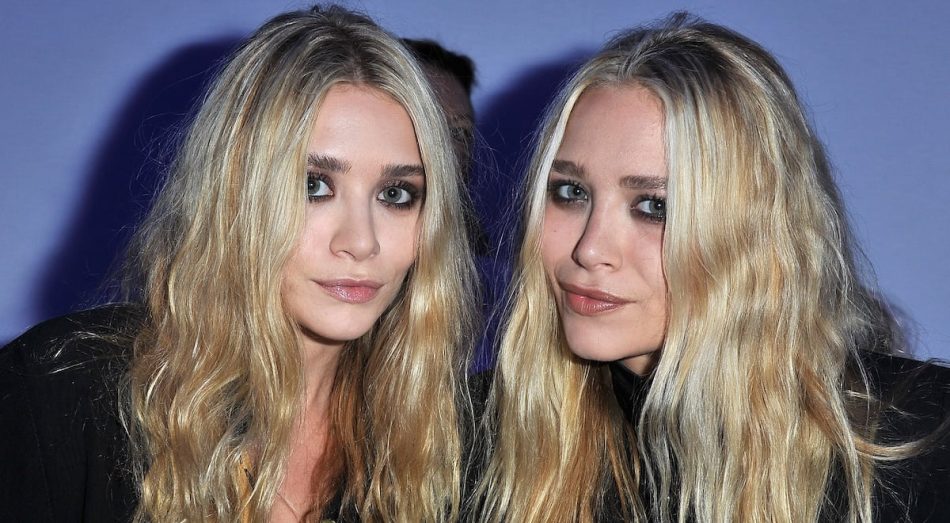
The Olsen twins, Mary-Kate and Ashley, have long been iconic figures in the entertainment industry, known for their work as child actors and their successful ventures in fashion. Recently, they have found themselves at the center of a new controversy involving artificial intelligence (AI) and deepfake technology. A viral advertisement for Louis Vuitton featuring the twins has raised eyebrows and sparked discussions about the implications of AI in media.
The Rise of AI Deepfakes
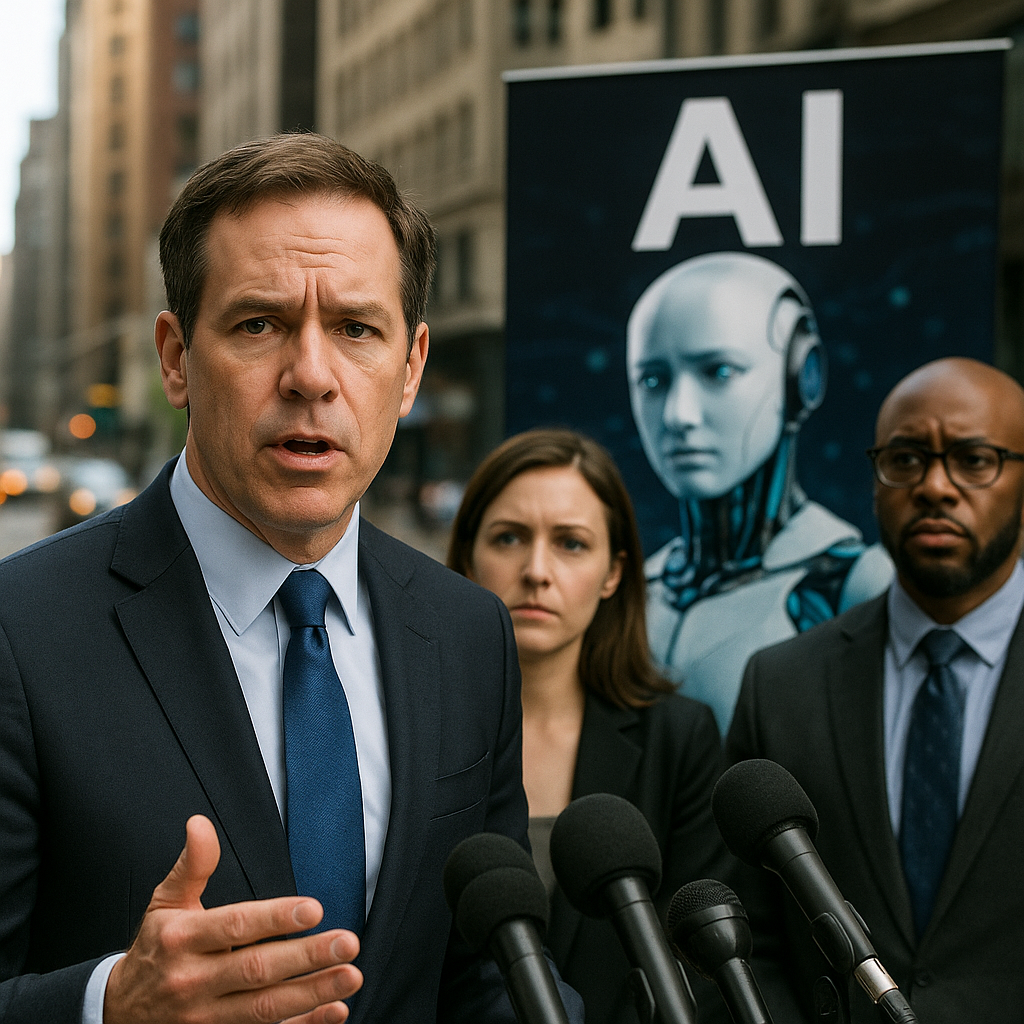
AI deepfakes are synthetic media in which a person’s likeness is replaced with someone else’s likeness in a video or image. This technology has advanced rapidly in recent years, making it increasingly easy to create realistic fake content. While deepfakes can be used for entertainment and satire, they also pose significant risks, including misinformation, defamation, and privacy violations.
The Louis Vuitton Ad
The controversy began when a new Louis Vuitton advertisement featuring the Olsen twins was released. The ad showcased the twins in a glamorous setting, promoting the brand’s latest collection. However, many viewers quickly noticed that the twins appeared different from their usual selves, leading to speculation that the video had been manipulated using deepfake technology.
Public Reaction
As the ad went viral, social media exploded with reactions. Fans of the twins expressed confusion and concern over the authenticity of the video. Some praised the creative direction of the ad, while others criticized it for potentially misrepresenting the twins. The debate highlighted the growing unease surrounding deepfake technology and its impact on public perception.
The Implications of Deepfake Technology
The use of deepfake technology in advertising raises several ethical questions. Brands must consider the potential consequences of using manipulated images or videos of celebrities. Misleading content can damage the reputation of the individuals involved and erode public trust in media. Furthermore, the use of deepfakes can lead to a slippery slope where the line between reality and fiction becomes increasingly blurred.
Legal and Ethical Concerns
As deepfake technology becomes more prevalent, legal frameworks are struggling to keep pace. Current laws may not adequately address the misuse of deepfakes, particularly in commercial contexts. Celebrities and public figures often have limited recourse when their likeness is used without consent. This lack of protection raises significant ethical concerns about privacy rights and the potential for exploitation.
The Olsen Twins’ Response
In light of the controversy, representatives for the Olsen twins have released a statement expressing their discomfort with the use of deepfake technology in the advertisement. They emphasized the importance of authenticity and the need for brands to respect the integrity of their image. The twins have been vocal advocates for privacy and personal rights, and this incident has reignited their commitment to addressing these issues.
Future of AI in Advertising
The incident involving the Olsen twins serves as a cautionary tale for the advertising industry. As AI technology continues to evolve, brands must navigate the fine line between innovation and ethical responsibility. The potential for deepfakes to mislead consumers is significant, and companies must prioritize transparency and authenticity in their marketing strategies.
Best Practices for Brands
- Transparency: Brands should disclose when AI technology is used in their advertisements.
- Consent: Always obtain permission from individuals before using their likeness in any form of media.
- Ethical Guidelines: Develop and adhere to ethical guidelines regarding the use of AI in advertising.
Conclusion
The viral Louis Vuitton ad featuring the Olsen twins has sparked a vital conversation about the implications of AI deepfakes in advertising. As technology continues to advance, it is crucial for brands to approach the use of deepfake technology with caution and ethical consideration. The Olsen twins’ experience serves as a reminder of the potential consequences of misusing AI and the importance of protecting individual rights in an increasingly digital world.
Frequently Asked Questions
Deepfakes are synthetic media where a person’s likeness is replaced with someone else’s likeness in a video or image, often created using artificial intelligence technology.
Deepfakes can lead to misinformation, defamation, and privacy violations, posing significant risks to individuals and public trust in media.
Brands can responsibly use AI by ensuring transparency, obtaining consent from individuals, and adhering to ethical guidelines regarding the use of AI in their advertisements.
Note: The implications of AI technology in advertising are complex and require ongoing dialogue and ethical consideration.