
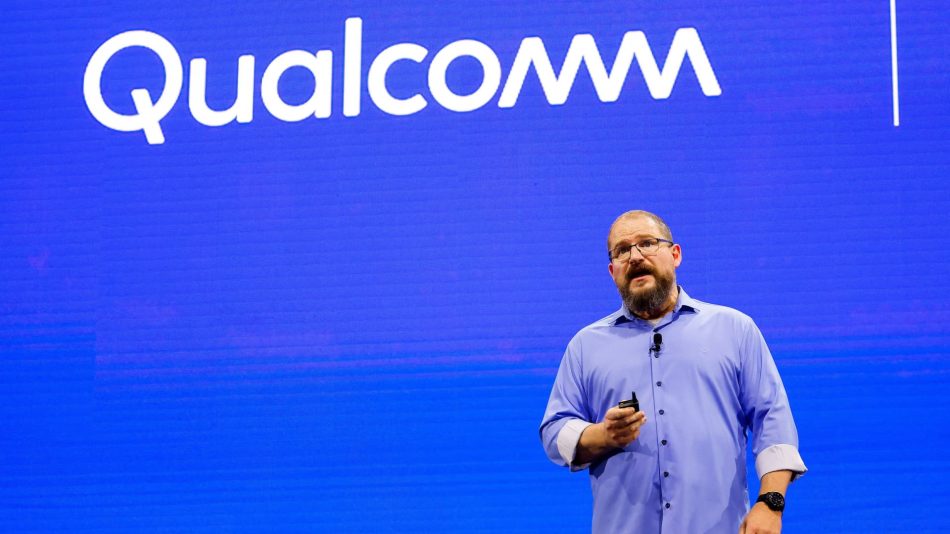
Qualcomm CEO sees robotics as a 'larger opportunity' within 2 years
Qualcomm, a leading semiconductor and telecommunications equipment company, is setting its sights on the burgeoning field of robotics. CEO Cristiano Amon recently shared insights on the company’s plans to expand its presence in this sector, indicating that robotics will become a significant business opportunity for Qualcomm within the next two years.
Qualcomm’s Strategic Move into Robotics
In January, Qualcomm launched a new robotics processor under the Dragonwing brand name. This innovative chipset is designed to support multiple robotics platforms, similar to how Qualcomm’s Snapdragon processors have become integral to the smartphone industry. Amon emphasized the potential for robotics to scale up significantly in the near future, stating, “I think robotics will start to get scale within the next two years.”
The Growing Robotics Market
The robotics market is diverse, encompassing various types of robots ranging from industrial applications, such as robotic arms, to humanoid robots being developed by companies like Tesla and several Chinese firms. According to industry forecasts, the market for general-purpose robots could reach an astonishing $370 billion by 2040, as projected by McKinsey. Additionally, analysts at RBC Capital Markets have estimated a global total addressable market for humanoid robots to be as high as $9 trillion by 2050.
Advancements in AI and Robotics
One of the driving forces behind the increasing optimism surrounding robotics is the advancement of artificial intelligence (AI) technologies. These AI models enable robots to better understand their surroundings and respond appropriately, thereby enhancing their utility. Amon noted, “People have said just robotics alone could be a trillion-dollar opportunity in terms of market size … the reality is, we see now, because of physical AI, robots have become a lot more useful.”
Industry Perspectives on Robotics
Jensen Huang, the CEO of Nvidia, has also highlighted robotics as a significant growth area for his company. At the recent Mobile World Congress in Barcelona, the theme of robotics was prevalent, with various companies showcasing their latest robotic innovations. This event serves as a platform for industry leaders to discuss the future of robotics and its potential impact on various sectors.
Conclusion
As Qualcomm continues to innovate and expand its capabilities in the robotics sector, the company is poised to capitalize on the vast opportunities that lie ahead. With advancements in AI and a growing market for robotics, Qualcomm’s strategic focus on this area could lead to significant growth and influence in the technology landscape.
Frequently Asked Questions
The Dragonwing brand is Qualcomm’s line of robotics processors designed to support various robotics platforms, enabling enhanced functionality and performance in robotic applications.
According to McKinsey, the market for general-purpose robots could reach $370 billion by 2040, while RBC Capital Markets estimates a global total addressable market for humanoid robots could be as high as $9 trillion by 2050.
Advancements in AI enhance the capabilities of robots, allowing them to understand their environment and perform tasks more efficiently. This integration of AI into robotics is referred to as physical AI, making robots significantly more useful.
Note: The information provided in this article is based on recent statements and industry forecasts as of March 2026.