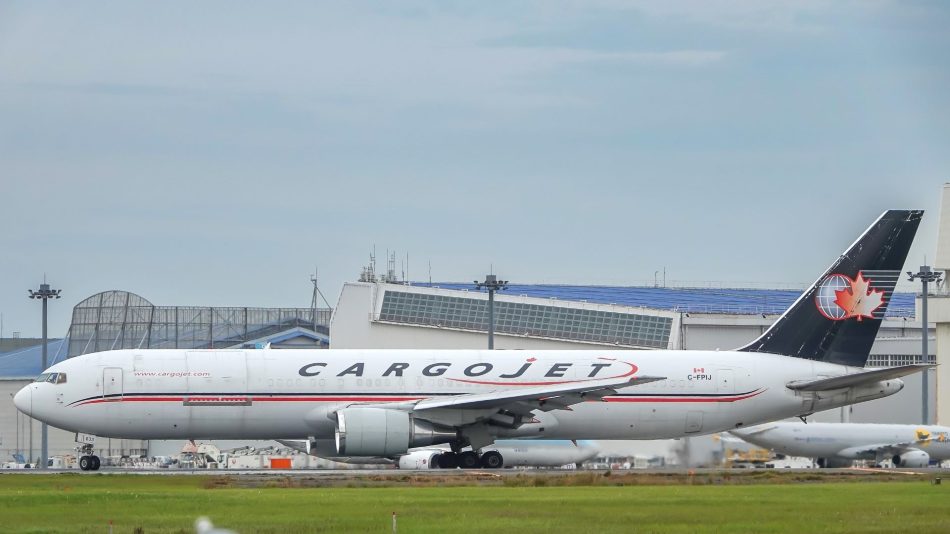
Scale & Safety for Ecommerce Air Cargo Handling
The explosion in e-commerce volumes is significantly transforming the air cargo market. Established airports often have robust cargo facilities that utilize advanced technologies, such as powered roller beds, to ensure the safety of both cargo and workers. However, smaller airports and newly established locations designed to accommodate air cargo growth may not always have the same level of infrastructure. This article explores the challenges and solutions associated with air cargo handling in the context of e-commerce growth.
Challenges in Air Cargo Handling
The rapid increase in air cargo volumes presents several challenges for logistics companies. The highly time-sensitive nature of air cargo operations places immense pressure on companies to meet tight deadlines and customer expectations. Additionally, there are strict regulatory processes governing the handling of air cargo, which must be adhered to.
As major hubs become congested due to increasing volumes, smaller airports are presented with opportunities to expand their air cargo capabilities. This shift may involve moving cargo handling operations closer to airports, reducing the reliance on distant warehouses.
Expanding Market Dynamics
The e-commerce boom, particularly from the Far East, continues to drive air cargo demand. According to the Airports Council International, air cargo volumes increased by 9.9% year-on-year, reaching a record 127 million tonnes in 2024. This growth is reshaping the air cargo industry, especially across Europe.
In response to this demand, new facilities are being constructed, and existing airports are enhancing their capabilities. The International Air Transport Association (IATA) has established global standards for air cargo operations, including handling procedures and safety protocols. Despite this, many air cargo handlers face challenges in meeting these standards due to insufficient capacity and resources.
Importance of Efficient Ground Handling
Efficient ground handling is crucial for improving productivity and creating scalable operations in air cargo logistics. Non-compliance with IATA guidelines can lead to safety hazards and operational inefficiencies. For instance, manual handling of Unit Load Devices (ULDs) is discouraged, as ULDs should never be moved directly by forklift trucks or allowed to touch the concrete floor to minimize damage risks.
To address these challenges, it is essential to utilize appropriate material handling equipment and systems. Safe and compliant handling of ULDs requires the implementation of powered and unpowered roller beds, as well as height-adjustable truck docks equipped with motorized rollers. These systems automate the movement of ULDs, enhancing the speed and consistency of air cargo transfers.
Innovative Solutions for Air Cargo Handling
Modular roller beds with powered drive motors can be retrofitted to existing trailers, ensuring safe and continuous movement of air cargo between warehouses and trailers. Additionally, mobile workstations, also known as slave pallets, facilitate the safe transport of ULDs across the warehouse floor, reducing physical strain on workers and accelerating the positioning of air cargo units.
Adapting to the demands of increasing e-commerce volumes necessitates a consultative approach for air cargo handlers. A thorough risk assessment is essential to ensure compliance with IATA requirements and airline audits. By collaborating with experienced partners, companies can optimize their environments for efficiency and safety, reducing handling steps and improving process flow.
Ensuring Compliance and Safety
While it is operationally feasible to handle air cargo at any location, it is critical to assess whether such an approach is efficient, cost-effective, and scalable. Processes that limit handling volumes can constrain expansion and increase workforce risks, as well as challenge regulatory compliance.
Implementing the correct handling equipment and systems is crucial for ensuring safety and efficiency while complying with IATA standards. The addition of powered roller beds and mobile workstations can significantly enhance productivity and throughput, while also safeguarding staff, equipment, and ULDs. This foundation is vital for rapid expansion and the pursuit of new business opportunities.
Frequently Asked Questions
The main challenges include increasing air cargo volumes, tight deadlines, regulatory compliance, and the need for efficient ground handling systems to manage the flow of cargo effectively.
Powered roller beds automate the movement of Unit Load Devices (ULDs), enhancing the speed and consistency of air cargo transfers while minimizing the risk of damage and improving worker safety.
Mobile workstations facilitate the safe and efficient transport of ULDs across the warehouse floor, reducing physical strain on workers and speeding up the positioning of air cargo units.
Note: The air cargo industry is evolving rapidly due to the growth of e-commerce, necessitating innovative solutions and compliance with established safety standards to ensure efficient operations.