
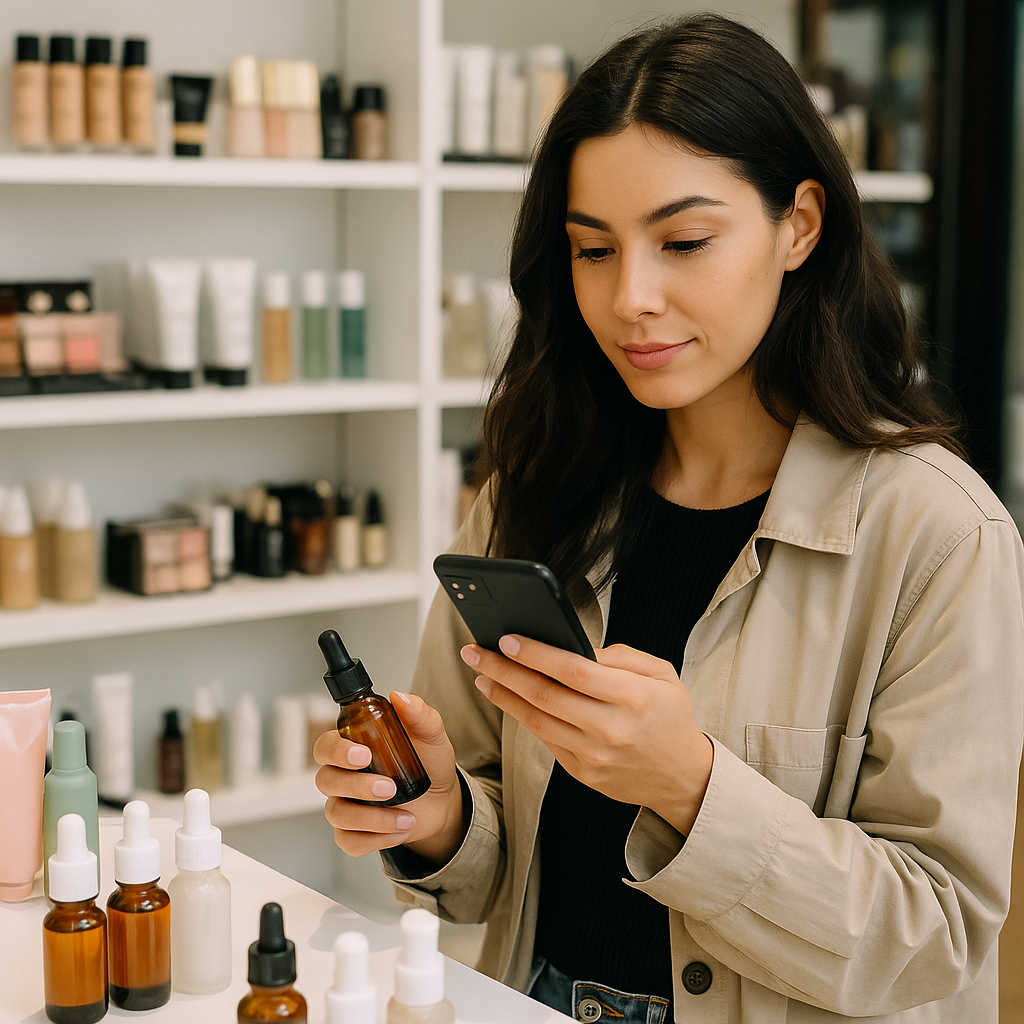
Social-First Beauty Retailers
The beauty industry has undergone a significant transformation in recent years, particularly with the rise of social media. Social-first beauty retailers are leveraging platforms like Instagram, TikTok, and Pinterest to connect with consumers in innovative ways. This article explores the concept of social-first beauty retailing, the strategies employed by these brands, and the impact on consumer behavior.
The Rise of Social Media in Beauty Retail
Social media has become an integral part of the shopping experience for many consumers, especially in the beauty sector. Traditional advertising methods are being overshadowed by influencer partnerships, user-generated content, and social commerce. Brands are increasingly using social media not just for marketing but as a primary sales channel.
Key Characteristics of Social-First Beauty Retailers
Several characteristics define social-first beauty retailers, setting them apart from traditional beauty brands:
- Community Engagement: These brands prioritize building a community around their products. They engage with their audience through comments, direct messages, and interactive content.
- Influencer Collaborations: Many social-first beauty retailers collaborate with influencers to reach wider audiences. Influencers help create authentic content that resonates with potential customers.
- User-Generated Content: Encouraging customers to share their experiences and results with products fosters trust and authenticity. Brands often showcase this content on their platforms.
- Seamless Shopping Experience: Social-first retailers often integrate shopping features directly into their social media platforms, allowing users to purchase products without leaving the app.
Strategies Employed by Social-First Beauty Retailers
To thrive in the competitive beauty market, social-first retailers employ various strategies:
1. Content Creation
Creating engaging, visually appealing content is paramount. Brands focus on high-quality images, tutorials, and behind-the-scenes looks to captivate their audience.
2. Influencer Marketing
Partnering with influencers who align with the brand’s values helps to amplify reach and credibility. Influencers can create authentic reviews and tutorials that encourage their followers to try the products.
3. Interactive Features
Many brands utilize polls, quizzes, and live sessions to engage their audience. These interactive features not only entertain but also provide valuable insights into customer preferences.
4. Social Commerce
Social commerce allows brands to sell directly through social media platforms. This integration simplifies the purchasing process, making it easier for consumers to buy products they discover online.
Impact on Consumer Behavior
The shift towards social-first beauty retailing has significantly influenced consumer behavior:
- Increased Trust: Consumers are more likely to trust recommendations from influencers and peers than traditional advertisements.
- Instant Gratification: The ability to purchase products directly from social media feeds caters to the desire for instant gratification.
- Personalization: Brands that engage with their customers can tailor their offerings based on feedback and preferences, creating a more personalized shopping experience.
Challenges Faced by Social-First Beauty Retailers
While there are numerous advantages to being a social-first beauty retailer, challenges remain:
- Algorithm Changes: Social media platforms frequently update their algorithms, which can affect visibility and engagement rates for brands.
- Market Saturation: With many brands adopting a social-first approach, standing out in a crowded market can be difficult.
- Maintaining Authenticity: As more brands enter the social space, maintaining authenticity and genuine connections with consumers becomes increasingly important.
Future Trends in Social-First Beauty Retailing
The future of social-first beauty retailing looks promising, with several trends expected to shape the industry:
- Augmented Reality (AR): AR technology will allow consumers to virtually try on products before purchasing, enhancing the shopping experience.
- Sustainability Focus: Brands that prioritize sustainability and ethical practices will likely resonate more with socially conscious consumers.
- Enhanced Personalization: Advances in data analytics will enable brands to create even more personalized shopping experiences based on consumer behavior and preferences.
Conclusion
Social-first beauty retailers are reshaping the beauty landscape by leveraging social media to create engaging, community-driven shopping experiences. As consumers increasingly turn to social platforms for beauty inspiration and product discovery, brands that effectively harness these tools will continue to thrive in the competitive beauty market.
Frequently Asked Questions
A social-first beauty retailer is a brand that primarily uses social media platforms to market and sell its products, focusing on community engagement, influencer partnerships, and user-generated content.
They engage with their audience through interactive content such as polls, quizzes, and live sessions, as well as by responding to comments and messages.
Social commerce simplifies the purchasing process by allowing consumers to buy products directly through social media platforms, enhancing convenience and encouraging impulse purchases.
Note: The landscape of beauty retail is constantly evolving, and staying informed about trends and consumer preferences is crucial for brands aiming to succeed in this dynamic market.</