Social Shopping Spree: The Future of Ecommerce With Shopify
In today’s digital landscape, commerce is no longer confined to traditional stores or websites. It thrives in every scroll, swipe, and share across social media platforms. With the blurring lines between creators, entrepreneurs, and celebrities, brands are compelled to evolve from mere transactional platforms to cultural partners.
Understanding the Shift in Ecommerce
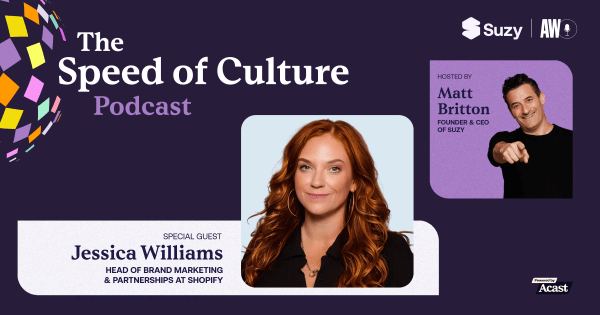
In a recent episode of The Speed of Culture podcast, host Matt Britton engages with Jessica Williams, the head of brand marketing and partnerships at Shopify. Their discussion revolves around the transformative power of the creator economy and the importance of authentic relationships in modern commerce.
The Role of AI in Modern Entrepreneurship
Shopify is not just a storefront; it functions as a comprehensive operating system for entrepreneurs. According to Jessica, today’s entrepreneurs require scalable and customizable solutions to bring their ideas to life. For instance, Shopify’s integration with its Shop App facilitates seamless marketing and customer acquisition, while its logistics tools eliminate traditional operational challenges.
AI as a Fundamental Tool
Artificial Intelligence (AI) is embedded across various functions within Shopify. From auto-generating product descriptions to enhancing images, AI is not merely an added feature; it is foundational. Jessica’s team has developed AI agents to streamline processes such as reviewing creator contracts, which allows for more time to focus on strategic relationship-building. This integration of AI is crucial for brands seeking a competitive edge in creativity and operations.
Creator Partnerships That Drive Sales
Shopify’s creator program has expanded to include over 250 YouTube creators and has established partnerships with major influencers like MrBeast. These collaborations have led to successful product launches, demonstrating that creators who build trust with their audiences can significantly impact sales. For example, niche product lines, such as matcha brands or car repair kits, have thrived through YouTube integrations, proving that a loyal audience can outperform traditional advertising methods.
The Importance of Authenticity
Jessica emphasizes that authenticity is key to building brands, not just products. Creators who share their journeys—both successes and failures—create deeper engagement and trust with their audiences. This transparency encourages brands to involve their customers in the evolution of their products and services, focusing not just on metrics but on the overall experience.
Innovative Platforms Reshaping Commerce
Platforms like TikTok Shop and Roblox are revolutionizing the way products are discovered and sold. Shopify’s direct integration with these platforms allows for seamless checkout and inventory management, while also ensuring that merchants retain ownership of their customer data. This is a significant advantage over third-party marketplaces, enabling brands to expand their reach without sacrificing control over their brand equity and customer relationships.
Conclusion
As the landscape of ecommerce continues to evolve, Shopify is at the forefront of this transformation. By leveraging AI, fostering authentic creator partnerships, and integrating with innovative platforms, Shopify is helping entrepreneurs navigate the complexities of modern commerce. The future of ecommerce lies in building relationships, embracing technology, and creating authentic experiences for consumers.
Frequently Asked Questions
The creator economy refers to the ecosystem where individuals create content and build communities around their passions, often monetizing their influence through partnerships with brands and direct sales of products.
Shopify provides a comprehensive platform that includes tools for marketing, customer acquisition, logistics, and AI integrations, allowing entrepreneurs to focus on creating and growing their businesses.
Authenticity fosters trust between brands and consumers. When brands share their journeys and involve their audiences in the process, it enhances engagement and loyalty, leading to better business outcomes.
Note: The landscape of ecommerce is rapidly changing, and staying informed about these trends is crucial for businesses looking to thrive in the digital age.