
The EU’s War on Fast Fashion
Fast fashion has become a significant issue in Europe, with governments taking a stand against its detrimental environmental and social impacts. The European Union (EU) is leading the charge, focusing on major e-commerce platforms like Shein and Temu, which have rapidly gained popularity in the region. This article explores the EU’s initiatives to combat fast fashion, the implications for companies, and the broader cultural and economic context surrounding this movement.
Background on Fast Fashion
Fast fashion refers to the rapid production of inexpensive clothing to meet the latest trends. While it allows consumers to access trendy apparel at low prices, it comes at a significant cost to the environment and ethical labor practices. The fast fashion industry is responsible for approximately 10% of global carbon emissions and generates millions of tons of textile waste each year.
The EU’s Initiatives Against Fast Fashion
The EU has recognized the urgent need to address the fast fashion crisis. In recent years, it has implemented several measures aimed at regulating e-commerce giants and reducing textile waste.
Investigation into Shein
One of the most notable actions taken by the EU is the investigation into Shein, a Chinese-founded fast fashion retailer. Following allegations of selling illegal items, including weapons and inappropriate dolls, the EU launched an inquiry under its Digital Services Act (DSA). The investigation aims to determine whether Shein’s safeguards are sufficient to prevent the sale of illegal products on its platform.
Environmental Regulations
In addition to the investigation, the EU has introduced new regulations concerning textile waste. Each year, around five million tons of clothing are discarded in Europe, equating to approximately 12 kilograms per person. The EU now mandates that companies bear the costs associated with collecting, sorting, and recycling textiles, thereby placing responsibility on the fast fashion industry.
Taxation Measures
Taxation has also become a tool in the EU’s arsenal against fast fashion. Previously, imports valued under €22 entered Europe without incurring Value Added Tax (VAT), giving companies like Shein an unfair advantage over local businesses. However, since 2021, all non-EU imports are subject to VAT, which has already begun to impact pricing strategies for international platforms. Furthermore, France has introduced a tax on fast fashion, charging brands an additional €5 per item, which will increase to €10 by 2030.
Cultural and Economic Implications
The EU’s war on fast fashion is not only a regulatory effort but also a cultural statement. France, as one of the world’s fashion capitals, has taken a particularly strong stance against brands like Shein, which are perceived as undermining ethical standards in the fashion industry. The French government has expressed concerns about the impact of such companies on local economies and labor markets.
Public Response
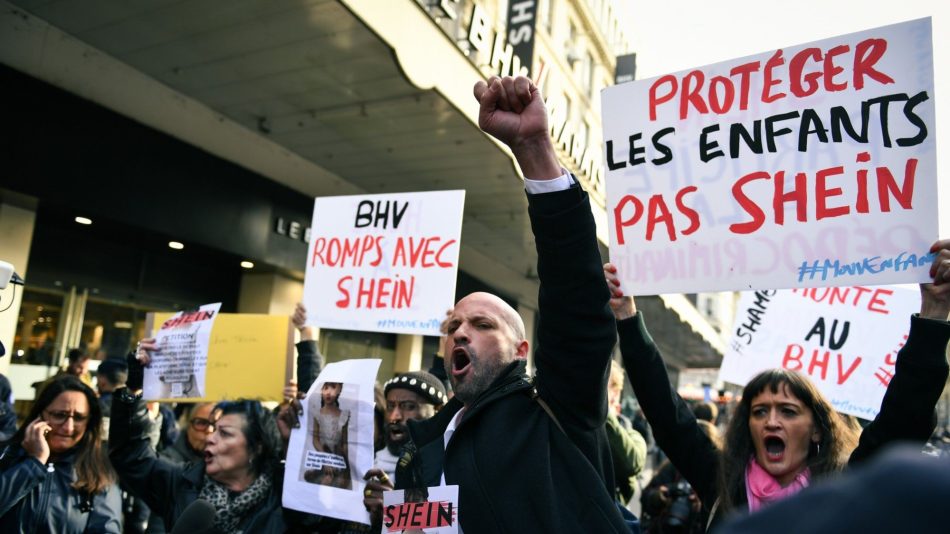
Public sentiment towards fast fashion brands, particularly Shein, has been mixed. While Shein has become the fifth-largest clothing retailer in France, it has also faced significant backlash. Over 100,000 citizens signed a petition opposing its physical store opening in Paris, and protests erupted on the day of the launch. Many view Shein’s business model as a threat to ethical fashion and local businesses.
Future Outlook
The EU’s ongoing investigation into Shein could lead to substantial changes in how the company operates within Europe. If found non-compliant with the DSA, Shein could face fines amounting to 6% of its annual global revenue, which could reach as high as $2.2 billion. The company has stated its commitment to protecting minors and enhancing safeguards against harmful content, but the effectiveness of these measures remains to be seen.
Conclusion
The EU’s war on fast fashion represents a significant shift in how governments regulate the fashion industry. By targeting e-commerce giants like Shein, implementing stringent environmental regulations, and introducing taxation measures, the EU aims to create a more sustainable and ethical fashion landscape. As public awareness of the negative impacts of fast fashion grows, the pressure on companies to adapt and comply with new standards will likely increase.
Frequently Asked Questions
Fast fashion refers to the rapid production of inexpensive clothing that reflects the latest trends. While it provides affordable options for consumers, it often results in significant environmental and ethical concerns.
The EU is investigating companies like Shein under its Digital Services Act, implementing regulations to reduce textile waste, and introducing taxation measures to level the playing field for local businesses.
Consumer reactions are mixed; while brands like Shein have gained popularity, there is growing public opposition due to concerns over ethical practices and environmental impacts, leading to protests and petitions against such companies.
Note: This article reflects the current state of affairs regarding fast fashion in the EU as of 2023. Changes in legislation and public sentiment may continue to evolve.