
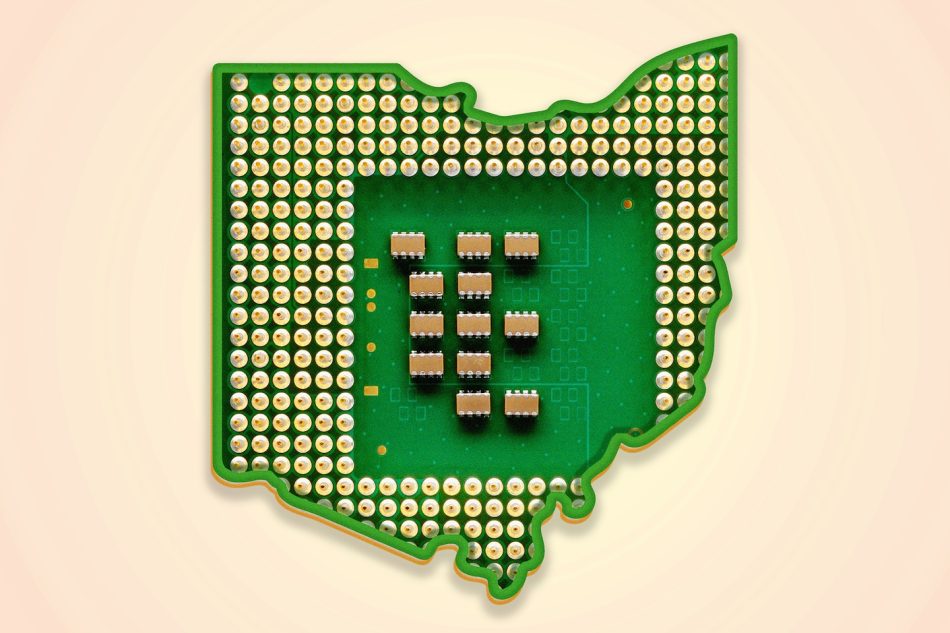
This is the American heartland’s AI moment
The American heartland, often characterized by its vast fields, small towns, and a close-knit community spirit, is witnessing a transformative moment with the rise of artificial intelligence (AI). This technology, once perceived as a distant concept primarily associated with urban centers and tech hubs, is now making significant inroads into rural America, reshaping industries, enhancing productivity, and fostering innovation.
The Impact of AI on Agriculture
One of the most profound impacts of AI can be seen in agriculture, a cornerstone of the American heartland’s economy. Farmers are increasingly adopting AI-driven technologies to optimize crop yields, manage resources more efficiently, and reduce operational costs. For instance, precision agriculture uses data analytics and AI algorithms to analyze soil conditions, weather patterns, and crop health, allowing farmers to make informed decisions.
- Predictive Analytics: AI systems can predict crop yields based on historical data and current conditions, helping farmers plan better.
- Automated Machinery: Tractors and harvesters equipped with AI can operate autonomously, reducing labor needs and increasing efficiency.
- Pest and Disease Management: AI tools can identify potential pest infestations or diseases early, allowing for timely interventions.
AI in Local Businesses
Beyond agriculture, local businesses in the heartland are leveraging AI to enhance customer experiences and streamline operations. Retailers, for example, are using AI to analyze consumer behavior, optimize inventory, and personalize marketing efforts. This technology enables small businesses to compete more effectively with larger corporations.
- Customer Insights: AI can analyze purchasing patterns to help businesses tailor their offerings to meet local demand.
- Operational Efficiency: AI-driven tools can automate routine tasks, allowing employees to focus on higher-value activities.
- Marketing Optimization: Businesses can use AI to create targeted advertising campaigns that resonate with local customers.
Education and Workforce Development
The integration of AI into the heartland is not limited to industries; it is also influencing education and workforce development. Schools and training programs are beginning to incorporate AI into their curricula, preparing students for a future where AI skills will be essential.
- Curriculum Development: Educational institutions are updating their programs to include AI and data science, ensuring students are equipped with relevant skills.
- Partnerships with Tech Companies: Collaborations between schools and tech firms are creating internship and job opportunities for students.
- Community Workshops: Local organizations are hosting workshops to educate residents about AI and its applications, fostering a culture of innovation.
Challenges and Considerations
Despite the promising advancements, the adoption of AI in the heartland is not without challenges. Issues such as access to technology, internet connectivity, and the need for digital literacy must be addressed to ensure that all communities can benefit from AI.
- Digital Divide: Many rural areas still lack reliable internet access, which is crucial for utilizing AI technologies.
- Workforce Displacement: As AI automates certain tasks, there is a concern about job displacement and the need for retraining workers.
- Ethical Considerations: The use of AI raises ethical questions regarding data privacy and decision-making processes.
The Future of AI in the American Heartland
The future of AI in the American heartland looks promising. As technology continues to evolve, it is expected that more sectors will embrace AI, leading to increased productivity and innovation. Community leaders, educators, and businesses must collaborate to ensure that the benefits of AI are accessible to all, fostering an inclusive environment for growth.
Frequently Asked Questions
AI applications in agriculture include precision farming techniques, automated machinery for planting and harvesting, and predictive analytics for crop yield forecasting. These technologies help farmers optimize their operations and increase productivity.
AI is impacting local businesses by providing insights into consumer behavior, optimizing inventory management, and enhancing marketing strategies. This enables small businesses to operate more efficiently and compete with larger companies.
Rural America faces challenges such as limited internet access, the need for digital literacy, and concerns about job displacement due to automation. Addressing these issues is crucial for successful AI adoption.
Note: The integration of AI into the American heartland represents a significant shift that can enhance productivity and innovation while also posing challenges that must be navigated carefully.