
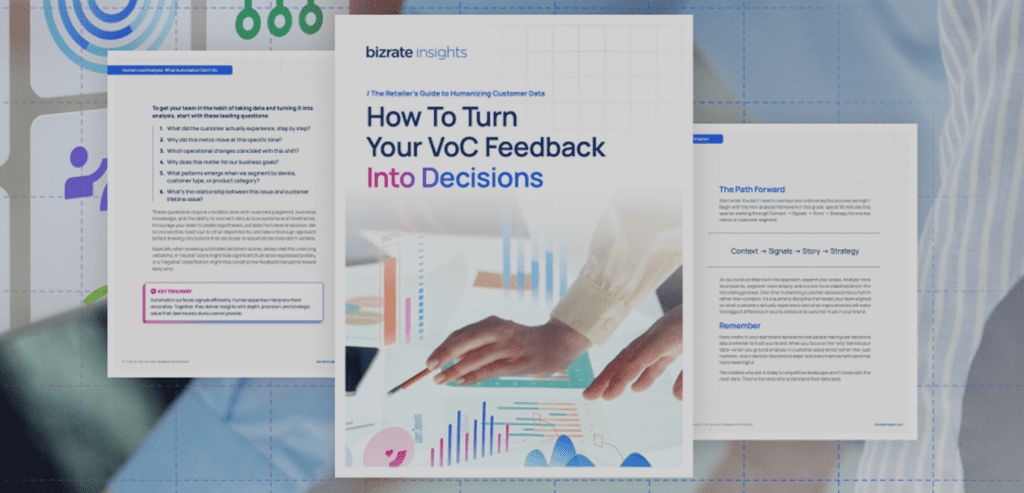
Turn Voice of Customer Feedback Into Decisions
In today’s digital landscape, businesses are inundated with data, yet many struggle to uncover the underlying reasons behind performance shifts. The Voice of Customer (VoC) feedback is a critical element that can transform raw data into actionable insights. By effectively leveraging customer feedback, organizations can make informed decisions that enhance customer satisfaction and drive business growth.
Understanding the Importance of Customer Feedback
Customer feedback serves as a vital source of information that reflects the needs, preferences, and pain points of consumers. It provides businesses with a direct line to their customers, allowing them to understand what is working and what is not. By analyzing this feedback, companies can identify trends and make necessary adjustments to improve their products and services.
The Challenges of Data Overload
In the age of big data, organizations often find themselves overwhelmed by the sheer volume of information available. This data deluge can obscure the “why” behind performance changes, making it difficult for teams to derive meaningful insights. Without a clear understanding of the context surrounding the data, businesses may misinterpret signals and make misguided decisions.
A Framework for Turning Feedback into Action
To effectively harness the power of customer feedback, businesses can adopt a structured approach. The framework consists of four key components: Context, Signals, Story, and Strategy.
- Context: Understanding the environment in which feedback is collected is crucial. This includes recognizing external factors such as market trends, seasonal fluctuations, and competitive dynamics.
- Signals: Identifying specific signals within the feedback helps pinpoint areas that require attention. This could include recurring complaints, suggestions for improvement, or positive affirmations.
- Story: Crafting a narrative around the data brings it to life. By connecting the dots between context and signals, businesses can create a compelling story that illustrates customer experiences and expectations.
- Strategy: Finally, translating the insights gained from the feedback into actionable strategies is essential. This may involve adjusting product offerings, enhancing customer service, or refining marketing strategies.
Benefits of a Human-Led Review Process
Implementing a human-led review process allows organizations to think more critically about their data. This approach encourages teams to move beyond surface-level analysis and delve deeper into the motivations behind customer feedback. By fostering a culture of inquiry, businesses can uncover valuable insights that drive loyalty and conversion.
Practical Steps to Implement Feedback Strategies
To effectively turn customer feedback into decisions, businesses can follow these practical steps:
- Collect Feedback: Utilize various channels to gather customer feedback, including surveys, social media, and direct communication.
- Analyze Data: Employ analytical tools to sift through the feedback and identify key themes and patterns.
- Engage Teams: Involve cross-functional teams in the review process to gain diverse perspectives on the feedback.
- Develop Action Plans: Create specific action plans based on the insights gathered, ensuring that they align with the overall business strategy.
- Monitor Outcomes: Continuously track the results of implemented changes to assess their impact on customer satisfaction and business performance.
Conclusion
Transforming customer feedback into strategic decisions is essential for businesses striving to enhance their customer experience and drive growth. By adopting a structured framework and engaging in a human-led review process, organizations can uncover valuable insights that lead to informed decision-making. This proactive approach not only improves customer satisfaction but also fosters loyalty and long-term success.
Frequently Asked Questions
The Voice of Customer (VoC) feedback refers to the insights and opinions expressed by customers regarding their experiences with a product or service. This feedback can be collected through surveys, reviews, or direct interactions, and is crucial for understanding customer needs and preferences.
Businesses can effectively analyze customer feedback by employing analytical tools to identify trends and patterns. Additionally, involving cross-functional teams in the review process can provide diverse perspectives and enhance the depth of analysis.
A human-led review process encourages critical thinking and deeper analysis of customer feedback. It fosters a culture of inquiry, enabling organizations to uncover valuable insights that drive loyalty and improve decision-making.
Note: The effective use of customer feedback is a continuous process that requires commitment and adaptability to changing customer needs.