
WePresent | Painter Jordan Sears explores women’s e-commerce images
American artist Jordan Sears delves into the world of women’s e-commerce imagery, using her art to critique and explore the aesthetics of product photography. Her work reflects on how these images manipulate perception, elicit desire, and construct reality, particularly through the lens of female representation in advertising.
The Aesthetic of E-commerce Imagery
Sears’ artistic journey begins with the overwhelming presence of e-commerce images in her daily life. Her phone continuously streams a barrage of product images, showcasing figure-hugging fast fashion in eye-catching materials. These images are not just visual stimuli; they represent a system of marketing that flattens and objectifies the female body. Sears states, “Not only are we seeing a proliferation of images all the time ad nauseum, but much of the time they’re using the female body in order to sell something.”
Transforming Digital Images into Paintings
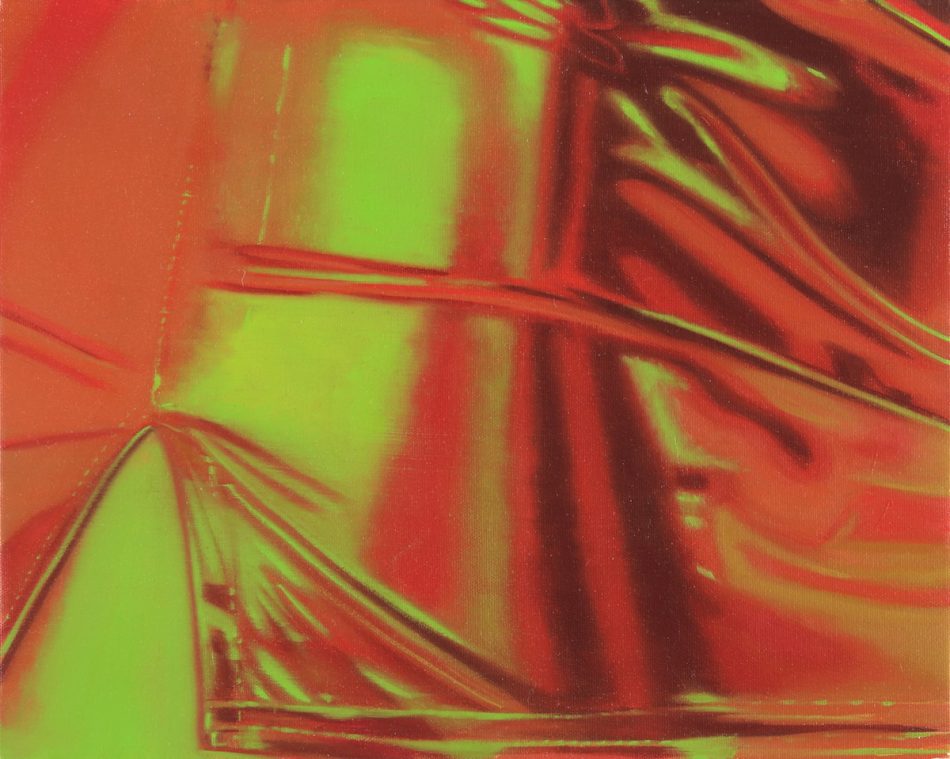
To create her paintings, Sears captures these images and manipulates them using Photoshop. She distorts, squeezes, and alters colors before translating them into oil paintings. Her focus lies in how the formal elements of a picture—such as line, composition, and color—can be employed to influence viewers’ perceptions and desires.
Sears explains, “Once you start really looking at product photography, it all operates the same way. It’s this system; a flattening, sort of void of any negativity.” This smooth aesthetic, she argues, is pervasive in contemporary culture, seen in everything from smartphones to beauty standards.
Close-ups and Cropping
The paintings in Sears’ latest series feature extreme close-ups of garments tightly wrapped around women’s bodies. These images are strategically cropped to isolate specific body parts, such as hips and breasts, creating a seductive allure. “The light hits the body at these very particular points,” she notes, indicating how light guides the viewer’s eye. However, her technique destabilizes this allure through intentional cropping and color manipulation.
Sears employs cropping as a tool to build tension within her work. She describes it as a method that creates anxiety, suggesting that something significant is about to happen. Her earlier works focused on intricate details, such as buttons or hands adorned with gloves, inviting viewers to fill in the narrative gaps with their memories and associations.
Nostalgia and Contemporary Relevance
Sears’ work resonates with a collective nostalgia for mid-century feminine archetypes, drawing on cultural references from the 1950s to the 1990s. She aims to modernize these themes by questioning the materials that surround her, ultimately choosing plastic as a symbol of contemporary consumerism. “I can’t think of any other material that’s more relevant to us than plastic,” she asserts.
By focusing on the female body, Sears highlights the ways in which women learn about their bodies through images rather than real-life experiences. “We’re all aware of fashion from the fifties to the nineties and the glamor and romanticization of it,” she explains, emphasizing the importance of understanding how these images shape societal perceptions.
Exploring the Implications of Fast Fashion Photography
In her recent works, Sears scrutinizes the framing techniques used in fast fashion photography, particularly how headless bodies are displayed against stark white backgrounds. This approach emphasizes the commodification of the female form, stripping away the labor and politics associated with garment production. “With product photography, it’s just the garment a lot of the time, but the body is still implied,” she notes.
Sears’ paintings aim to create a “clickable” effect, reminiscent of online shopping experiences. She layers transparent colors inspired by the glow of touchscreens, using oil paint for its blendable quality. The final touches involve adding highlights to make the paintings pop, mimicking the allure of studio lighting on fashion garments.
The Promise of Transformation
One of the most compelling aspects of online images is the promise of transformation they offer consumers. Many individuals buy into the illusion that purchasing a garment will make them as desirable as the model wearing it. However, Sears points out that often, there is no body at all behind these images—just a mannequin or an AI-generated model.
“The image is absent of the body, but it’s also absent of the labor that goes into the garments,” she explains. This absence highlights the commodification of bodies and the reduction of women to mere objects in the consumer marketplace.
Art and Consumerism
Sears is acutely aware of the seductive nature of her artwork. She hopes that collectors will appreciate the deeper meanings behind her pieces rather than simply acquiring them for their visual appeal. “As artists, sometimes you’re worried that you are creating the very thing that you’re critiquing,” she admits. “But when someone gets it, it’s like, ‘Oh thank god, I’ve done my job’.”
Frequently Asked Questions
Jordan Sears’ artwork primarily focuses on the aesthetics of women’s e-commerce images and how they manipulate perception and desire through the objectification of the female body.
Sears creates her paintings by manipulating digital images in Photoshop, distorting and altering them before translating them into oil paintings, focusing on layers and transparency to achieve a smooth finish.
In her recent works, Sears explores themes of nostalgia, consumerism, and the implications of fast fashion photography, particularly how it frames and commodifies the female body.
Note: This article reflects the insights and artistic practices of Jordan Sears, shedding light on the intersection of art