Why fake AI videos of UK urban decline are taking over social media
In recent months, a wave of AI-generated videos depicting urban decline in the UK has taken social media platforms by storm. These videos often portray absurd and exaggerated scenes, capturing the attention of millions and prompting discussions about their implications. This article explores the phenomenon of fake AI videos, their creators, and the societal impact they have on perceptions of urban life.
The Rise of AI-Generated Content
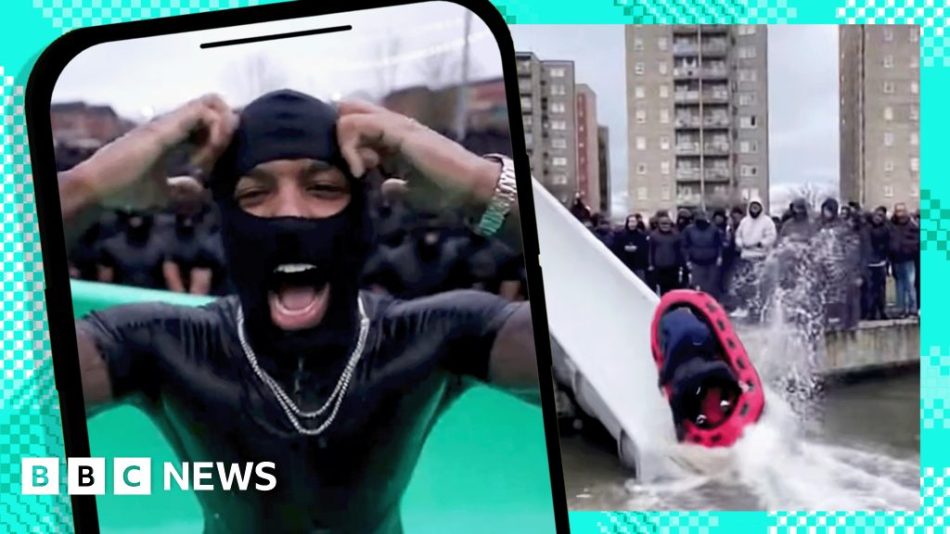
AI technology has advanced significantly, allowing creators to produce realistic videos with minimal effort. One notable example is a video showing a group of young men, often depicted as “roadmen,” engaging in outlandish activities in grimy urban settings. The creator behind these videos, known by the handle RadialB, has gained notoriety for his portrayal of fictional taxpayer-funded facilities in areas like Croydon.
RadialB claims that his intention is to create humorous content, but he acknowledges that the absurdity of his videos often leads viewers to believe they are real. This approach has resulted in a proliferation of copycat accounts and similar content across platforms like TikTok and Instagram Reels, collectively amassing millions of views.
Understanding the Content and Its Impact
The videos produced by RadialB and others have been labeled as “decline porn,” a term used to describe the sensationalized portrayal of urban environments as overrun by crime and immigration. While some videos are clearly satirical, others have sparked genuine outrage and racist backlash among viewers who take them at face value.
One of the most concerning aspects of this trend is its potential to distort reality. Many viewers, particularly those unfamiliar with the areas depicted, may come to believe that these exaggerated scenarios are accurate representations of urban life. This phenomenon has raised questions about the responsibility of content creators and the platforms that host such material.
The Creator’s Perspective
RadialB, the mastermind behind the Croydon videos, has stated that he never intended to provoke political discourse or create racial stereotypes. He uses specific prompts to generate content that he believes will resonate with viewers, often featuring characters that fit a certain cultural archetype. However, he admits that his videos can elicit strong reactions, including racism, despite efforts by social media platforms to filter out abusive comments.
Despite the controversy, RadialB sees his work as a form of entertainment. He argues that the increasing accessibility of AI tools has lowered the barrier for entry, enabling anyone to create similar content. This democratization of content creation has led to a surge in videos that misrepresent urban environments, further blurring the lines between reality and fiction.
The Broader Trend of Urban Decline Narratives
The trend of portraying cities like London, Manchester, and New York as deteriorating due to crime and immigration is not limited to AI-generated content. Influencers and content creators have long capitalized on these narratives, often using real incidents of crime or urban decay to support their claims. However, the use of AI technology has amplified the reach and impact of these portrayals.
For example, South African YouTuber Kurt Caz has garnered millions of subscribers by sharing travel videos that sensationalize urban experiences. His content often includes misleading thumbnails and titles that exaggerate the dangers of the locations he visits. This strategy has drawn criticism for perpetuating negative stereotypes about urban areas, particularly in the UK.
Community Reactions and Concerns
Community members have expressed concern over the impact of these videos on their neighborhoods. Individuals from areas like Croydon have spoken out against the portrayal of their communities as “ghetto” or crime-ridden. They argue that such representations can lead to misconceptions and reinforce harmful stereotypes.
One TikTok user from Croydon, known as C.Tino, highlighted the dangers of these videos, stating that they create a false narrative about life in the area. He emphasized the need for more accurate representations of urban life that reflect the diversity and vibrancy of communities rather than focusing solely on negative aspects.
Conclusion
The rise of fake AI videos depicting urban decline in the UK raises important questions about the intersection of technology, media, and societal perceptions. While creators like RadialB may not intend to cause harm, the impact of their content can be significant, shaping public opinion and reinforcing stereotypes. As social media continues to evolve, it is crucial for both creators and viewers to critically engage with the content they consume and share.
Frequently Asked Questions
Fake AI videos are digitally generated content that uses artificial intelligence to create realistic-looking scenes, often depicting exaggerated or absurd scenarios. These videos can misrepresent reality and are frequently shared on social media platforms.
These videos can distort public perceptions of urban areas, leading to misconceptions about crime, immigration, and community life. They may also perpetuate harmful stereotypes and provoke racist reactions among viewers.
Viewers should approach AI-generated videos with skepticism, considering the context and intent behind the content. Engaging in discussions about the implications of such portrayals and seeking out diverse perspectives can help mitigate the impact of misleading narratives.
Note: The proliferation of fake AI videos underscores the need for media literacy in the digital age. As technology continues to evolve, understanding the implications of AI-generated content is essential for navigating the complexities of online information.