
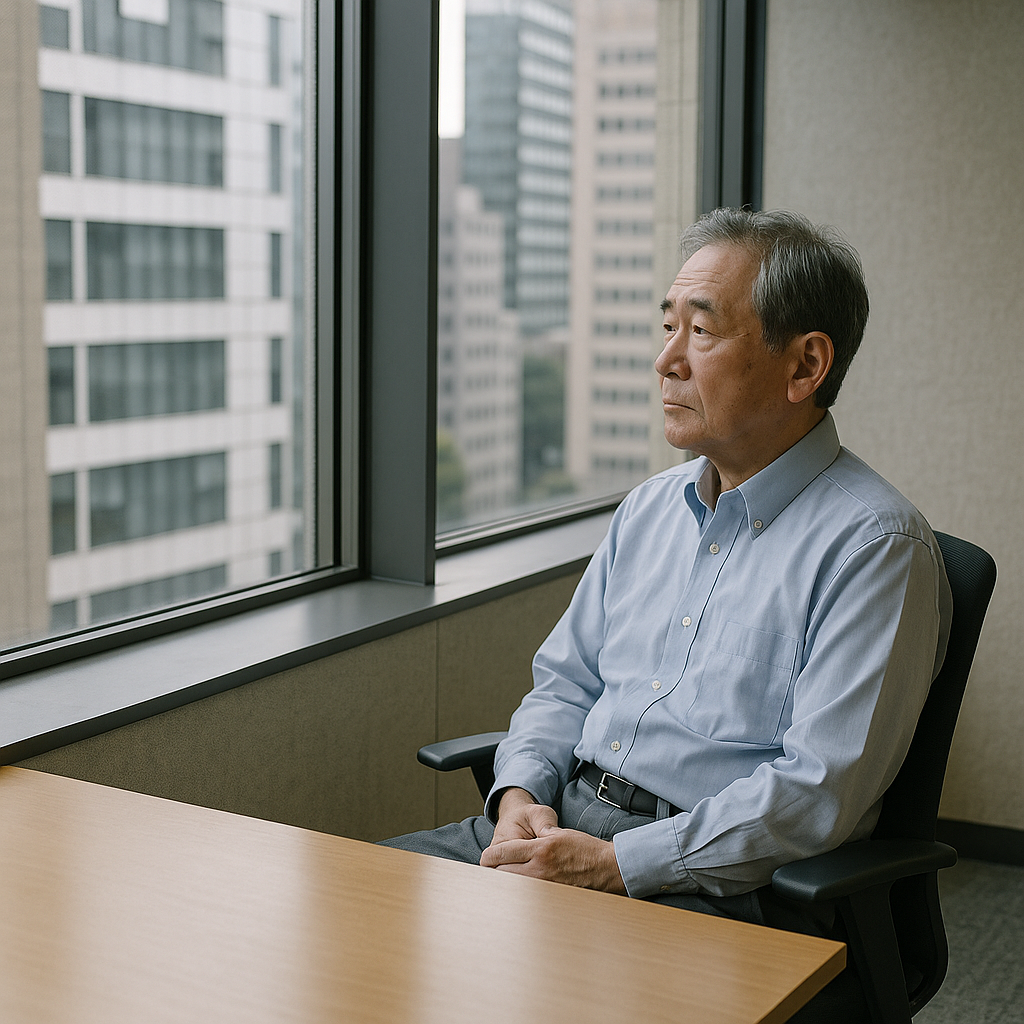
Japanese companies are paying older workers to sit by a window and do nothing—while Western CEOs demand super-AI productivity just to keep your job
In recent years, Japan has garnered attention for its unique approach to labor, particularly regarding older workers. While many Western companies are pushing for heightened productivity through advanced technologies like artificial intelligence (AI), Japanese firms are adopting a markedly different strategy. This article explores the phenomenon of older workers being compensated to simply sit by a window, reflecting broader cultural and economic trends in Japan.
The Cultural Context
Japan’s workforce is aging rapidly, with a significant portion of the population over the age of 65. This demographic shift has led to a reevaluation of how older employees are treated in the workplace. Traditionally, Japanese culture has placed a high value on respect for elders, which is now manifesting in corporate policies that prioritize the well-being of older workers.
Workplace Policies for Older Workers
Some Japanese companies have introduced programs that allow older employees to work in less demanding roles as they approach retirement. These roles often involve minimal responsibilities, such as sitting by a window and observing the outside world. While this may seem counterproductive, the rationale behind this practice is multifaceted:
- Respect for Experience: Older workers bring a wealth of experience and knowledge. Allowing them to remain in the workforce, even in a limited capacity, acknowledges their contributions.
- Mental Well-being: Providing a comfortable environment for older employees can enhance their mental health, reducing feelings of isolation and promoting engagement.
- Transition to Retirement: This approach serves as a gentle transition for older workers, easing them out of full-time roles while still keeping them connected to the workplace.
Contrasting Views in the West
In stark contrast, many Western companies are increasingly focused on maximizing productivity, often at the expense of employee well-being. The rise of AI and automation has led to a culture where employees feel pressured to constantly perform at high levels. CEOs in Western firms often emphasize the need for super-AI productivity, creating an environment where job security is tied to relentless output.
This difference in approach raises questions about the sustainability of such models. While Western companies chase efficiency, Japanese firms are exploring the value of a more humane approach to work, particularly for older employees.
Benefits of the Japanese Approach
The practice of allowing older workers to take on less demanding roles has several benefits:
- Employee Retention: By valuing older workers, companies can retain experienced staff who might otherwise retire early.
- Knowledge Transfer: Older employees can mentor younger workers, passing on valuable skills and insights that benefit the organization.
- Enhanced Company Image: Firms that prioritize employee well-being can enhance their reputation, attracting talent and fostering loyalty.
Challenges and Criticisms
Despite the benefits, this approach is not without its challenges. Critics argue that paying older workers to do minimal tasks may lead to inefficiencies and could be seen as a waste of resources. Additionally, there is a concern that this policy might reinforce ageism, suggesting that older workers are less capable of contributing meaningfully to the workforce.
Furthermore, as the population continues to age, companies may face difficulties in balancing the needs of older employees with the demands of a rapidly changing economy. The key will be finding a sustainable model that respects and utilizes the strengths of older workers while also fostering innovation and productivity.
Conclusion
The contrasting approaches to older workers in Japan and the West highlight significant cultural differences in how labor is viewed. While Japanese companies are paving the way for a more inclusive and respectful work environment for older employees, Western firms are still grappling with the pressures of productivity and efficiency. As the global workforce continues to evolve, it will be interesting to see how these differing philosophies influence future labor practices.
Frequently Asked Questions
Japanese companies are paying older workers to do minimal tasks, such as sitting by a window, to respect their experience, promote mental well-being, and ease the transition to retirement.
Western companies often prioritize productivity and efficiency, pushing employees to maximize output, while Japanese firms focus on the well-being and respect of older workers.
Benefits include employee retention, knowledge transfer, and an enhanced company image, as firms that value older workers can attract and retain talent.
Note: The approach to older workers in Japan reflects broader cultural values and economic conditions, which may not be directly applicable to other regions.