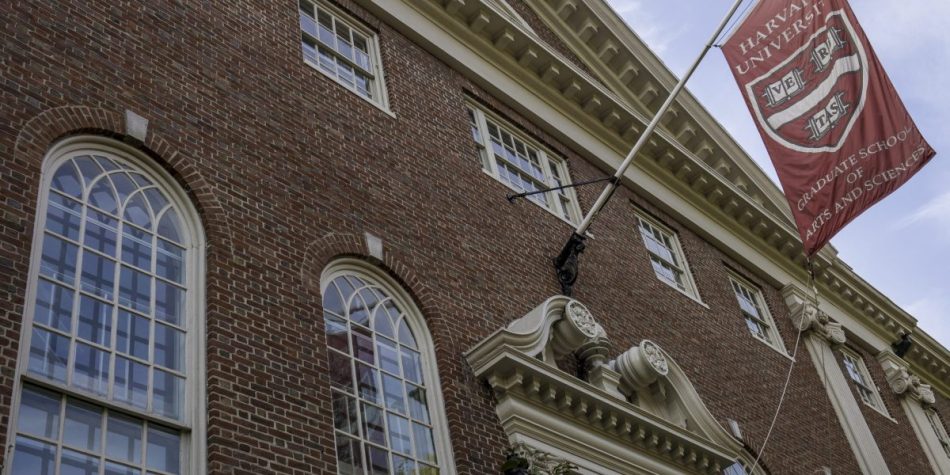
Pentagon chief blocks officers from Ivy League schools and other top universities, including partners on AI and space
In a significant move, Defense Secretary Pete Hegseth has announced a major overhaul of the list of schools where military officers can pursue professional courses and graduate programs. This decision, detailed in a memo released on February 28, 2026, will eliminate certain Senior Service College fellowship programs for the academic year 2026-2027 and beyond.
Reasoning Behind the Decision
Hegseth emphasized the need for developing strategic thinkers grounded in the founding principles of the United States. He stated, “We must develop strategic thinkers through education grounded in the founding principles and documents of the republic, embracing peace through strength and American ideals, and focused on our national strategies and grounded in realism.”
The memo outlines a clear stance against institutions that, according to Hegseth, fail to enhance military leaders’ warfighting capabilities or undermine the values they are sworn to defend. He specifically criticized the Ivy League schools, stating that they have become “factories of anti-American resentment and military disdain.”
Institutions Affected
The list of institutions that will no longer be available for military officers includes prestigious Ivy League schools such as:
- Harvard University
- Yale University
- Columbia University
- Brown University
- Princeton University
Additionally, other top universities such as:
- Massachusetts Institute of Technology (MIT)
- Carnegie Mellon University
- Johns Hopkins University’s School of Advanced International Studies
These institutions have been associated with significant military partnerships, especially in emerging fields like artificial intelligence (AI) and space technology.
Impact on Military Partnerships
Despite the accusations of being “anti-American,” many of the schools on the banned list have been crucial partners in military initiatives. For instance, Carnegie Mellon University is home to the Army’s Artificial Intelligence Integration Center, which aims to enhance the Army’s understanding and application of AI technologies. This center has been instrumental in fostering connections between the Army and AI leaders in the private sector.
Furthermore, the Space Force has collaborated with Johns Hopkins University for officer education programs. The implications of Hegseth’s directive on these existing partnerships remain unclear, as representatives from the Army’s AI center and the Space Force have not commented on the matter.
New Educational Partners
In light of these changes, Hegseth has proposed a list of potential new partner schools that align more closely with his vision for military education. These institutions include:
- Liberty University
- George Mason University
- Pepperdine University
- University of Tennessee
- University of Michigan
- University of Nebraska
- University of North Carolina
- Clemson University
- Baylor University
These universities are expected to provide educational frameworks that Hegseth believes will better serve the military’s strategic goals.
Political Context
This decision comes amid broader shifts in military and governmental partnerships with technology firms. The Trump administration has recently cut ties with Anthropic, a provider of AI technology, while simultaneously strengthening relationships with companies like OpenAI and xAI. This realignment reflects a growing focus on enhancing military capabilities through advanced technology.
Conclusion
As the Pentagon undergoes this educational overhaul, the long-term effects on military leadership training and strategic development remain to be seen. The decision to sever ties with historically prestigious institutions raises questions about the future of military education and its alignment with American values and strategic interests.
Frequently Asked Questions
The Pentagon chief, Pete Hegseth, believes that these institutions have become anti-American and do not enhance military leaders’ warfighting capabilities. He aims to align military education with American ideals and strategic needs.
Some of the new partner schools proposed include Liberty University, George Mason University, Pepperdine University, and the University of Tennessee, among others.
The impact on existing partnerships with institutions like Carnegie Mellon and Johns Hopkins is currently unclear, as military representatives have not commented on how the directive will affect these collaborations.
Note: The information presented in this article is based on a memo released by Defense Secretary Pete Hegseth and reflects the current state of military education policy as of February 2026.