
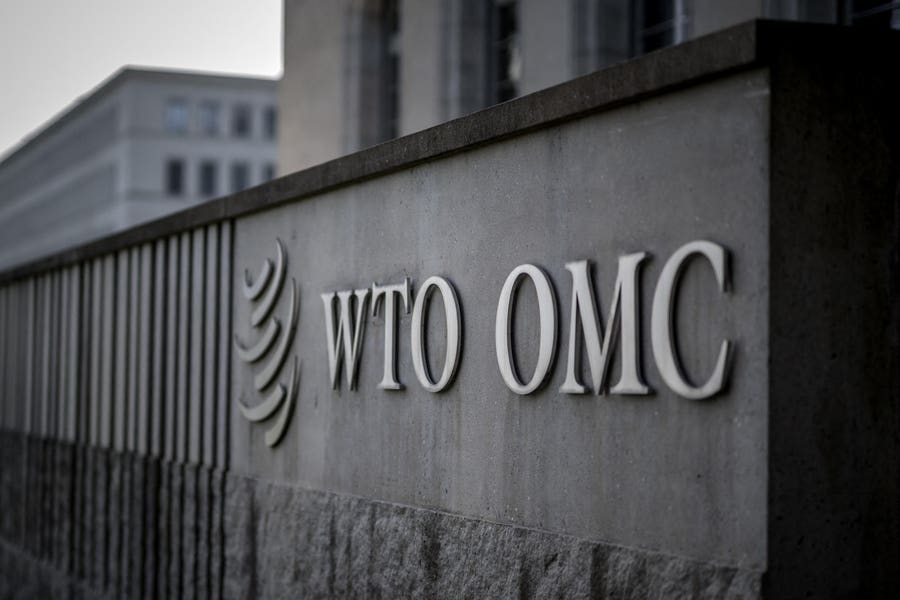
The WTO E-Commerce Tariff Fight Rears Its Head Again
The World Trade Organization (WTO) has been at the forefront of discussions surrounding e-commerce and the implications of digital trade on global economies. As the digital landscape continues to evolve, so do the challenges related to tariffs on e-commerce. Recent developments indicate that the debate over e-commerce tariffs is intensifying, raising questions about the future of international trade.
Understanding E-Commerce Tariffs
E-commerce tariffs refer to taxes imposed on goods and services traded online. As more businesses transition to digital platforms, the question of how to regulate and tax these transactions has become increasingly complex. The WTO has been working to establish a framework that addresses these challenges while promoting free trade.
The Current State of E-Commerce Tariffs
As of 2023, the WTO has seen a significant push from member countries to establish a moratorium on customs duties for electronic transmissions. This moratorium aims to facilitate the growth of digital trade and ensure that countries do not impose tariffs that could hinder the flow of information and services across borders.
However, not all countries agree on the approach to e-commerce tariffs. Some nations argue that imposing tariffs on digital goods and services is necessary to protect local industries and generate revenue. This disagreement has led to a stalemate in negotiations, with countries divided over the best path forward.
Key Players in the E-Commerce Tariff Debate
Several key players are involved in the ongoing discussions about e-commerce tariffs. These include:
- Developed Countries: Many developed nations advocate for a permanent moratorium on e-commerce tariffs, arguing that it promotes innovation and economic growth.
- Developing Countries: Some developing nations are concerned that a moratorium could limit their ability to protect emerging industries and generate revenue through tariffs.
- Industry Stakeholders: Businesses and trade organizations are also heavily involved, pushing for a framework that supports digital trade while addressing concerns about unfair competition.
The Impact of E-Commerce Tariffs on Global Trade
The imposition of e-commerce tariffs can have far-reaching effects on global trade. Tariffs can increase costs for consumers and businesses, potentially stifling innovation and slowing down the growth of the digital economy. Additionally, inconsistent tariff policies across countries can create barriers to entry for companies looking to expand into new markets.
On the other hand, proponents of e-commerce tariffs argue that they can help level the playing field for local businesses. By imposing tariffs on foreign digital goods and services, countries can protect their domestic industries from international competition.
Recent Developments in WTO Negotiations
In recent months, the WTO has been actively engaged in negotiations to reach a consensus on e-commerce tariffs. The discussions have highlighted the need for a balanced approach that considers the interests of both developed and developing countries.
One of the significant challenges in these negotiations is finding common ground on issues such as data privacy, cybersecurity, and the regulation of online platforms. As countries work to establish rules that govern digital trade, it is crucial to ensure that these regulations do not inadvertently create new barriers to trade.
The Future of E-Commerce Tariffs
Looking ahead, the future of e-commerce tariffs remains uncertain. The WTO’s ability to facilitate a consensus among member countries will be critical in shaping the landscape of digital trade. As the global economy becomes increasingly reliant on digital transactions, the need for clear and consistent regulations will only grow.
Ultimately, the outcome of the e-commerce tariff debate will have significant implications for businesses and consumers alike. A successful resolution could pave the way for a more integrated global digital economy, while failure to reach an agreement could lead to fragmentation and increased costs for all parties involved.
Frequently Asked Questions
E-commerce tariffs are taxes imposed on goods and services traded online. They are designed to regulate and tax digital transactions, which have become increasingly prevalent in the global economy.
The debate over e-commerce tariffs stems from differing views on how to regulate digital trade. Developed countries often advocate for a moratorium on tariffs to promote innovation, while developing countries may seek to impose tariffs to protect local industries.
The WTO plays a crucial role in facilitating discussions and negotiations among member countries regarding e-commerce tariffs. It aims to establish a framework that balances the interests of various nations while promoting free trade in the digital economy.
Note: The landscape of e-commerce tariffs is continually evolving, and ongoing negotiations at the WTO will shape the future of digital trade.