
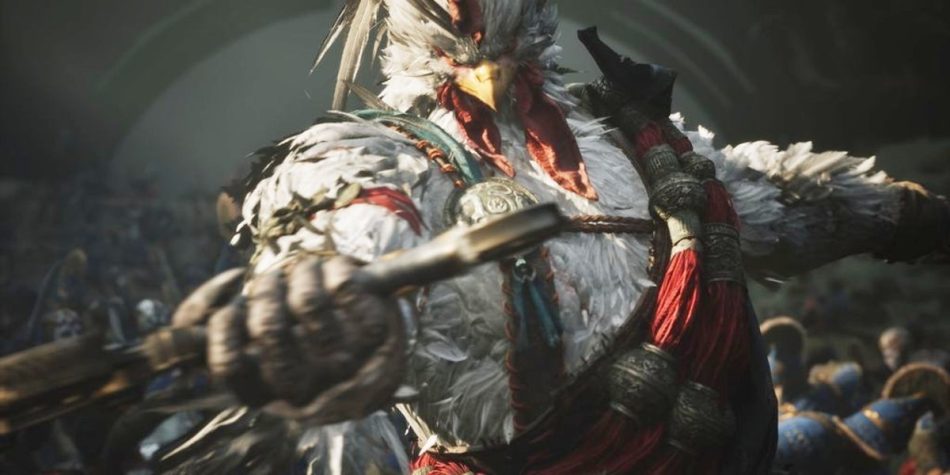
Worried about Project Windless and generative AI? Don’t fret, Krafton says the game is not using “generative AI for content creation or narrative elements”
As the gaming industry continues to evolve, the use of artificial intelligence (AI) in game development has become a hot topic. Recently, Krafton announced their upcoming title, Project Windless, an open-world game for PlayStation 5 based on the acclaimed South Korean high fantasy novels titled The Bird That Drinks Tears. Following the release of its trailer during the PlayStation State of Play event, concerns arose regarding the potential use of generative AI in the game’s development.
In response to these concerns, Krafton has clarified that while AI has been utilized internally during exploratory phases for efficiency, it will not play a role in content creation or narrative elements. This statement aims to reassure fans that the traditional craftsmanship approach remains at the forefront of the game’s development.
Understanding Project Windless
Project Windless is being developed by Krafton’s Montreal team, who have emphasized a commitment to a traditional, craftsmanship-driven approach. According to a Krafton spokesperson, the team is focused on creating a rich single-player experience without relying on generative AI for key aspects of the game.
The spokesperson stated, “Krafton’s studios operate with a high degree of creative independence, enabling each team to select the tools and methods that best suit their projects.” This autonomy allows the Montreal team to prioritize quality and authenticity in their work.
The Role of AI in Game Development
While generative AI has become a common tool in various industries, including gaming, its application can vary significantly. In the case of Project Windless, AI is being used primarily for internal processes that support iteration and efficiency during the development phases. The spokesperson further clarified that traditional game AI systems will be employed to drive non-player character (NPC) behavior, enhancing the game world and character interactions beyond mere combat scenarios.
These AI systems are designed to govern how characters react, move, and behave within the game environment, contributing to a more immersive experience for players.
Industry Reactions to AI Usage
The conversation around AI in gaming has been gaining traction, especially following comments from various game developers. For instance, Larian Studios faced backlash when their founder, Swen Vincke, indicated that the team was using generative AI to develop concept art for their upcoming game. In response to the criticism, Larian decided to halt the use of generative AI tools in their art development to eliminate any doubts about the origin of their creations.
This situation highlights the growing scrutiny surrounding the use of AI in creative processes, as both developers and players seek transparency in how games are made. As a result, many studios are reevaluating their approaches to ensure they maintain artistic integrity while leveraging technology.
What to Expect from Project Windless
With Project Windless, Krafton aims to deliver a compelling narrative and immersive gameplay experience that resonates with fans of the original literary series. The decision to avoid generative AI for content creation underscores the team’s dedication to crafting a unique and authentic game world.
As the game progresses towards its release, players can anticipate a rich storytelling experience that draws from the source material while incorporating traditional game design principles. The focus on craftsmanship is expected to enhance the overall quality of the game, setting it apart in a competitive market.
Frequently Asked Questions
No, Krafton has confirmed that Project Windless is not using generative AI for content creation or narrative elements. The development team is focused on a traditional craftsmanship-driven approach.
AI is used internally during exploratory phases to support efficiency and iteration. Traditional game AI systems will be utilized to enhance NPC behavior and interactions within the game world.
Players can expect a rich narrative experience and immersive gameplay that draws from the source material, emphasizing traditional game design principles and craftsmanship.
Note: The gaming industry is rapidly evolving, and the discussions surrounding AI usage in game development are likely to continue as technology advances.